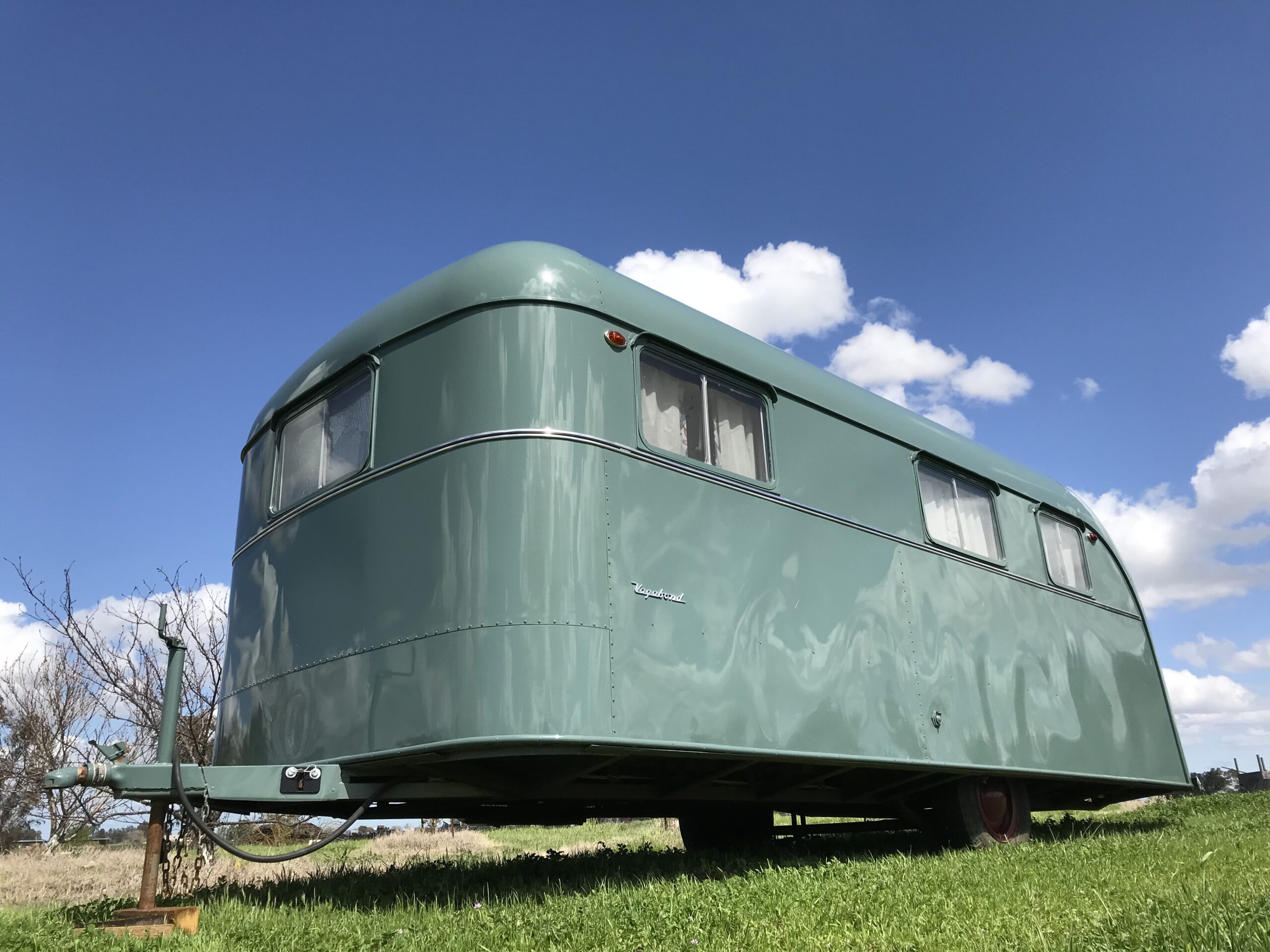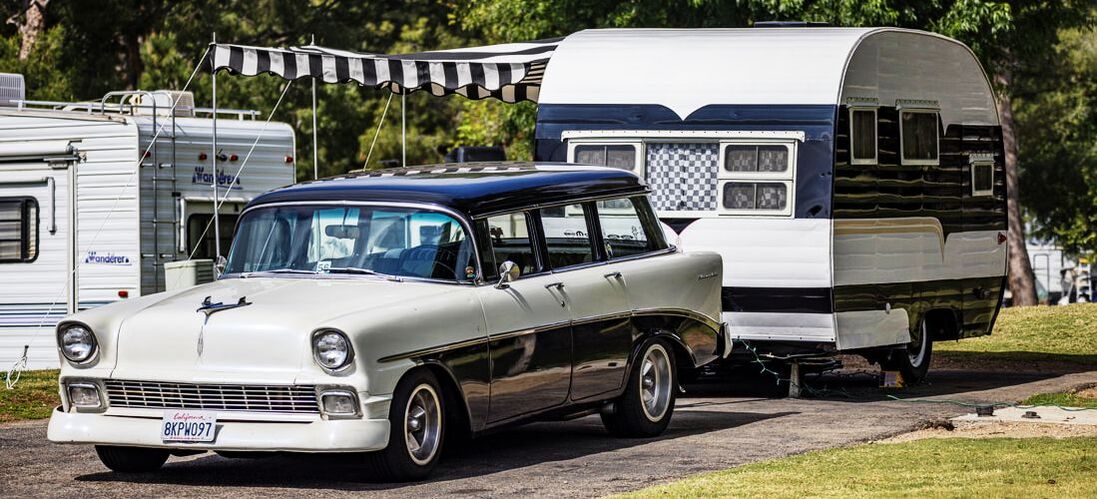

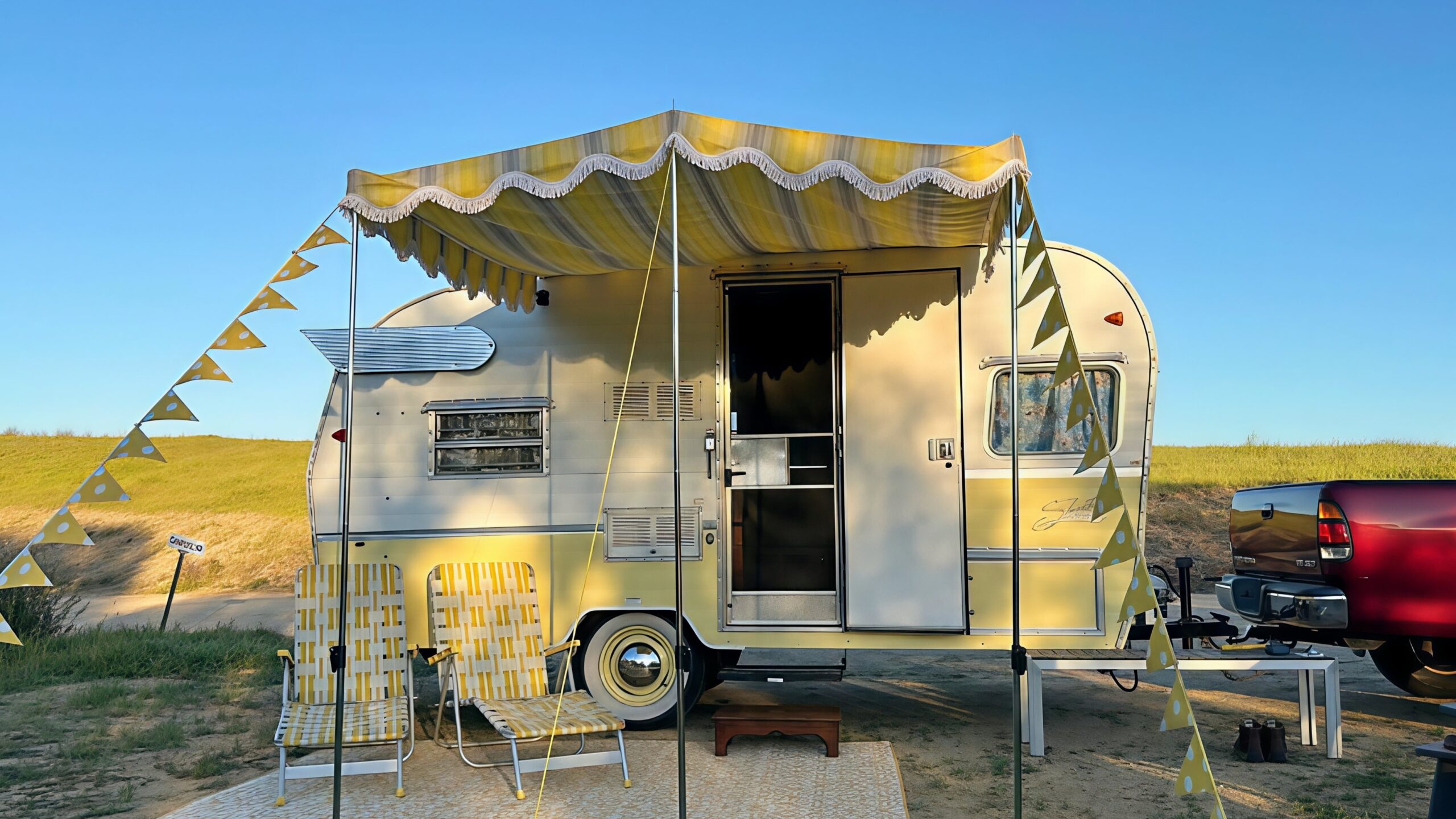
For many vintage trailer owners, the first long trip in a freshly restored camper is an exciting milestone. The open road, a comfortable tow vehicle, and a beloved little trailer behind you can make for the perfect adventure or debut at a vintage trailer rally. But as one camper owner recently shared in a vintage trailer community discussion, even a successful trip can end with an unexpected scare.
After taking her vintage camper, affectionately named Butter Cup, on its first extended outing, owner Linda le Brock reported that everything went smoothly until the final stretch of the journey home. While slowly crossing two speed bumps, the unexpected happened—the trailer “jumped the hitch,” meaning the coupler popped off the hitch ball.
Thankfully, there was no damage, but the moment was understandably nerve-racking.
The experience sparked a lively discussion among fellow vintage trailer enthusiasts on the VCT Facebook page, many of whom offered practical advice based on their own experiences towing classic campers. While the incident was unsettling, it also highlighted several important safety checks that every trailer owner should keep in mind.
Check the Hitch Ball Size
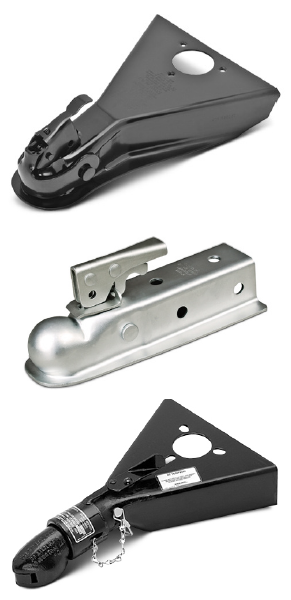
One of the most common causes of a trailer disconnecting from the tow vehicle is using the wrong size hitch ball. Many vintage trailers use a 1 7/8-inch ball, while some modern setups use 2-inch or 2 5/16-inch balls. If the ball is too small or too large for the coupler, the latch may appear secure but can still allow the trailer to slip off—especially when hitting bumps in the road.
Before towing, it’s important to confirm that the hitch ball matches the exact size stamped on the trailer coupler.
Make Sure the Coupler Latch Is Fully Engaged
Another point raised by several experienced owners was the coupler latch itself. On most trailers, the latch should sit completely flat and locked once it is secured over the ball. If the lever is only partially closed, the coupler may not fully grip the ball.
Some owners also mentioned that older couplers can become stiff from rust or lack of use. A little lubricant and making sure the latch moves freely can prevent problems later. Do you need to replace your coupler?
Don’t Forget the Safety Pin
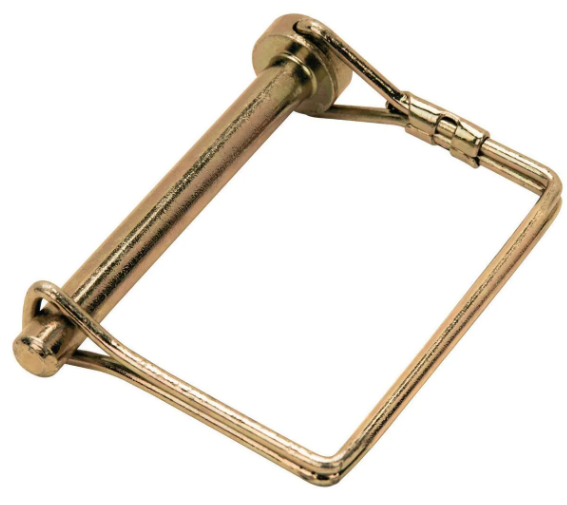
Even if the latch is fully closed, many trailer couplers are designed with a secondary safety feature—a small hole where a pin or lock can be inserted. This hitch pin prevents the latch from lifting during travel.
Several campers emphasized that this simple step is an important piece of insurance. Some even use a small padlock instead of a removable pin, which both secures the hitch and deters theft.
Adjust the Coupler if Needed
Some couplers include a tension adjustment underneath the hitch head, usually controlled by a nut and spring. Tightening this adjustment slightly can help the coupler fit more snugly around the hitch ball.
If the coupler can be lifted and rattled significantly while attached to the ball, it may need adjustment.
Always Use Safety Chains
Even with everything connected properly, safety chains are essential. These chains should be crossed underneath the hitch and attached to the tow vehicle. If the coupler ever does disconnect, the chains act as a backup to keep the trailer attached long enough for the driver to safely stop.
Many experienced towers consider the chains to be the final line of defense.
Do a Quick “Lift Test”
One simple test suggested by seasoned campers is to raise the trailer jack slightly after hitching up. If the coupler is properly locked onto the ball, lifting the jack should also lift the rear of the tow vehicle slightly. If the trailer disconnects during this test, it’s a clear sign the hitch was not fully secured.
When in Doubt, Have It Checked
Vintage trailers often still use their original couplers from the 1950s or 1960s. While many remain perfectly functional, wear or damage over time can lead to issues. If anything seems loose or questionable, a professional trailer shop can inspect the coupler and hitch setup.
For Linda and her little trailer Butter Cup, the story had a happy ending—no damage and a safe return home. But the experience served as a reminder for many vintage trailer owners: even a small oversight in hitching can turn into a frightening moment on the road.
With a few careful checks before every trip—confirming the correct ball size, securing the latch with a pin, and always using safety chains—vintage camper owners can help ensure that their next adventure stays safe from the first mile to the last.