
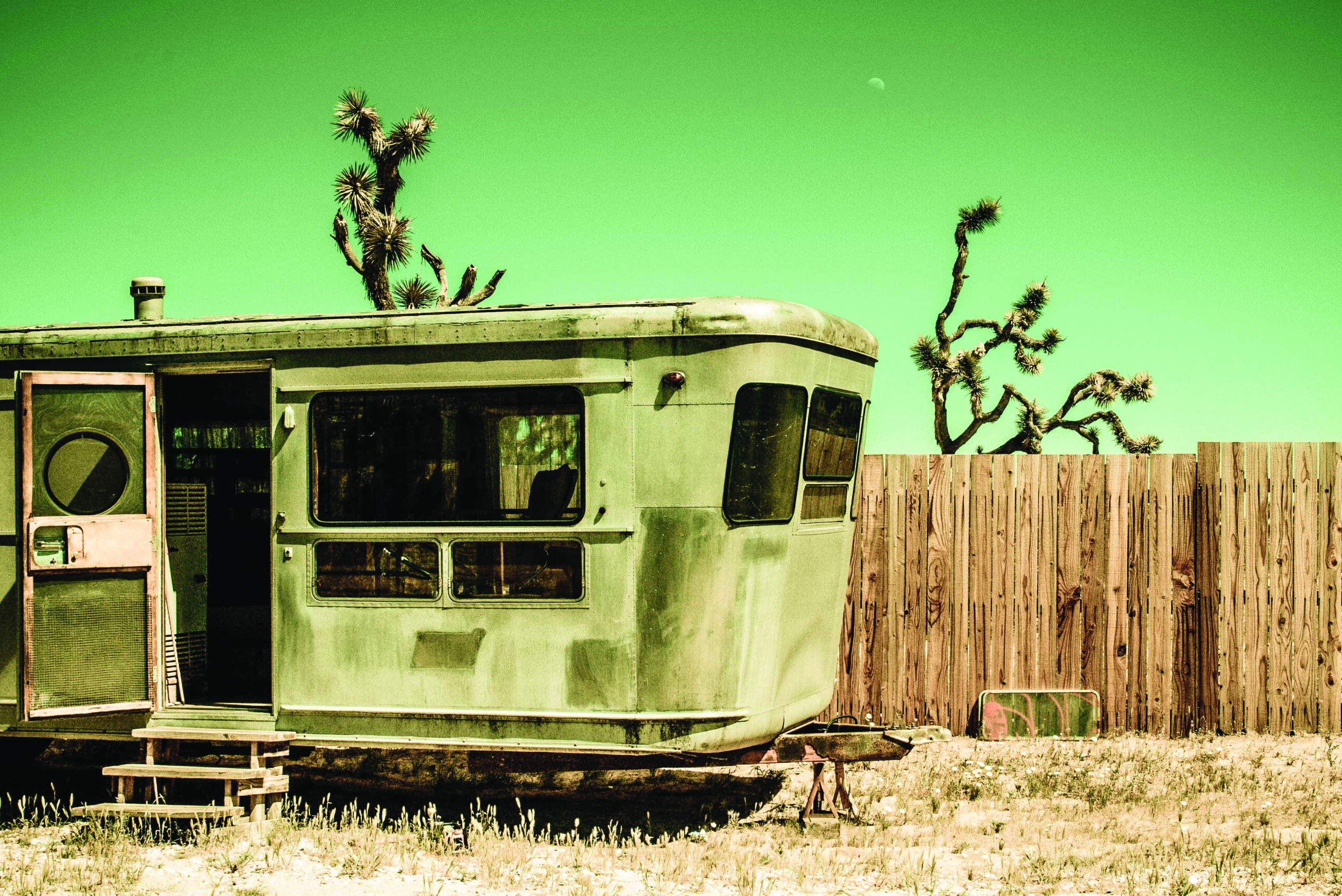
Bargman was founded in 1931 to make electrical connection products for the United States military. Over the years, the company’s products were also used on many brands of travel trailers. In the vintage trailer hobby, the Bargman name is most often connected with door locks and exterior lights.
Bargman locksets were installed on Avion, Mobile Scout, Aljoa, Mallard, Shasta, Yellowstone, Nomad, Serro Scotty, Kenskill, Siesta, Aristocrat, Spartan, King, Vagabond, Va-Ka-Shunn-Ette, Play-Pac and many other trailers built during the 1950s, 1960s and early 1970s.
Unfortunately, many popular Bargman locks have been discontinued. These include the H20-2, L-77, L-400, L-66, L-100, L-200 and L-300. Original replacement parts are now limited, and some can be difficult and expensive to find.
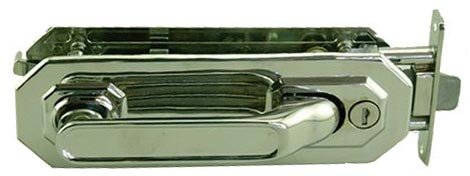
The Popular Bargman L-66
The Bargman L-66 is one of the most common locks found on vintage trailers. Its smooth, rounded shape fits the style of many trailers from the 1950s and 1960s.
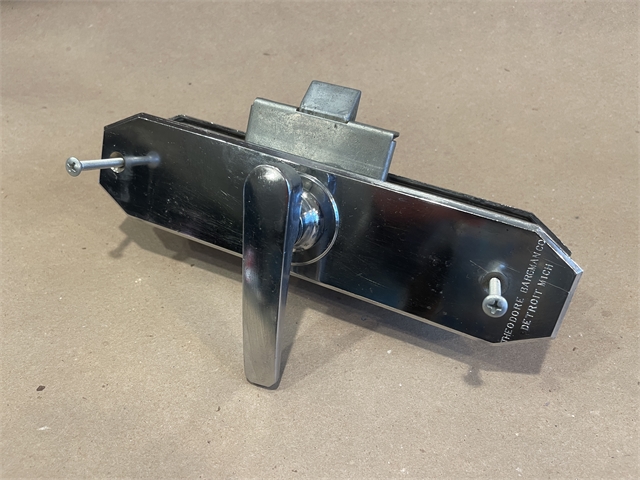
The L-66 should not be confused with the L-77. Although the two look similar, the L-77 is a vertical lock used on some Airstream and Silver Streak trailers from the late 1950s through about 1961. The two locks are not interchangeable.
Keep Your Original Lock Working
One of the best ways to protect a working Bargman lock is to keep it properly lubricated. After many years, the old lubricant inside the lock can dry out. This places extra pressure on the handle, springs, latch bolt and other internal parts.
A dry lubricant or graphite powder made for locks is often recommended because it does not attract as much dirt and dust as oil. Before applying anything, check with an experienced locksmith to make sure the product is right for your particular lock.
Never force a stiff handle or key. A lock that is difficult to operate may need to be cleaned, adjusted or lubricated. Taking care of the problem early may prevent a rare internal part from breaking.
Common Bargman lock problems include broken handles, worn springs, damaged latch bolts and broken keys. Repairing an original lock is usually easier and less expensive than finding a complete replacement.
Save Every Usable Part
Bargman locks have become valuable because the original tooling used to make many of them no longer exists. With little demand from modern trailer manufacturers, producing complete new locksets is costly.
This makes salvaged parts especially important. If you come across a vintage trailer that cannot be restored, save the door lock and any usable parts. Even an incomplete or damaged lock may contain a spring, bolt, cylinder, handle or screw that can help repair another trailer.
Do not throw away broken pieces. They can sometimes be repaired or used as patterns for making replacements. Small original parts that once seemed unimportant can now be some of the hardest pieces to locate.
Reproduction Parts and Retrofit Kits
A limited number of reproduction keys, springs, latch bolts, handles and lenses have been produced over the years. Availability changes, so owners may need to be patient and check with vintage trailer parts suppliers, restoration shops, online marketplaces and other collectors.
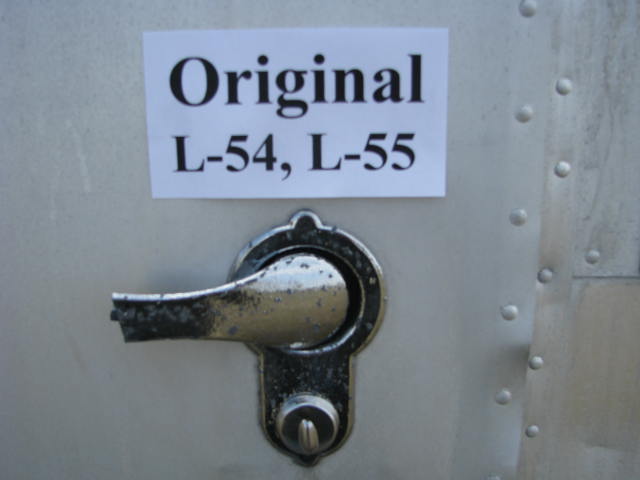
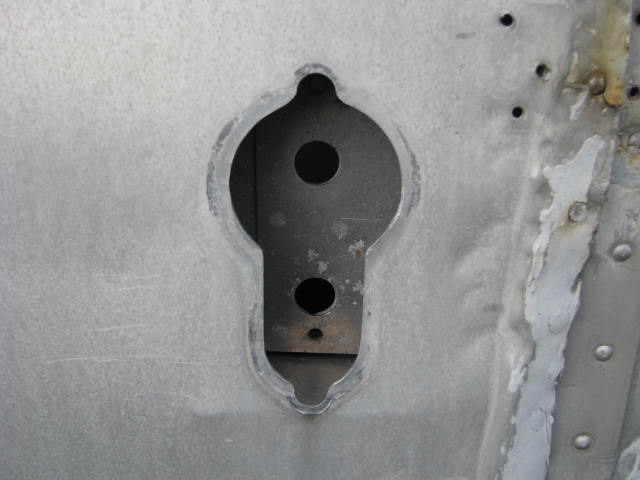
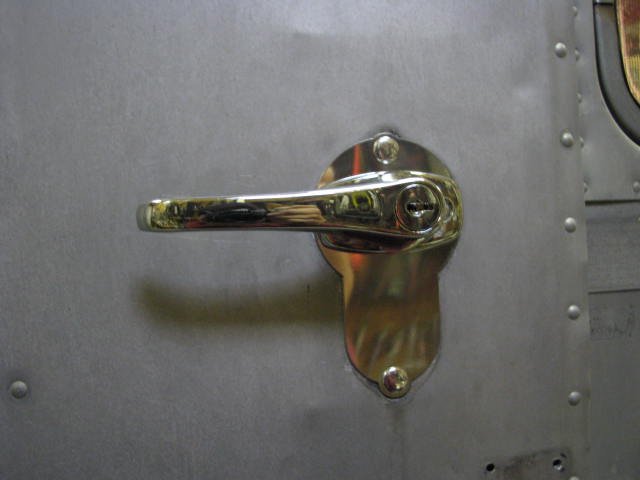
When an original lock cannot be repaired, a retrofit kit may be another option. Dan Piper (www.vintagecampers.com) has offered retrofit kits for the Bargman L-66, L-54 and L-55 locks. These kits replace the original lock with a modern knob-and-lever lock, stainless steel cover plates, a striker plate, keys and the necessary hardware.
One of the main advantages of the retrofit kit is that it does not require changes to the original opening in the trailer door. If a good original Bargman lock is found later, it can be installed in the same opening. This provides a practical way to secure and use the trailer without permanently changing the door.
Protect a Piece of Trailer History
A vintage trailer’s door lock may be a small part, but it is important to the trailer’s appearance, security and daily use. Original Bargman locks are becoming harder to find, and complete new-old-stock assemblies can cost hundreds of dollars.
Regular maintenance can help keep a working lock in service. When repairs are needed, reuse original parts whenever possible and save every extra piece. Salvaging, repairing and sharing these parts will help keep more vintage trailers complete, secure and on the road.