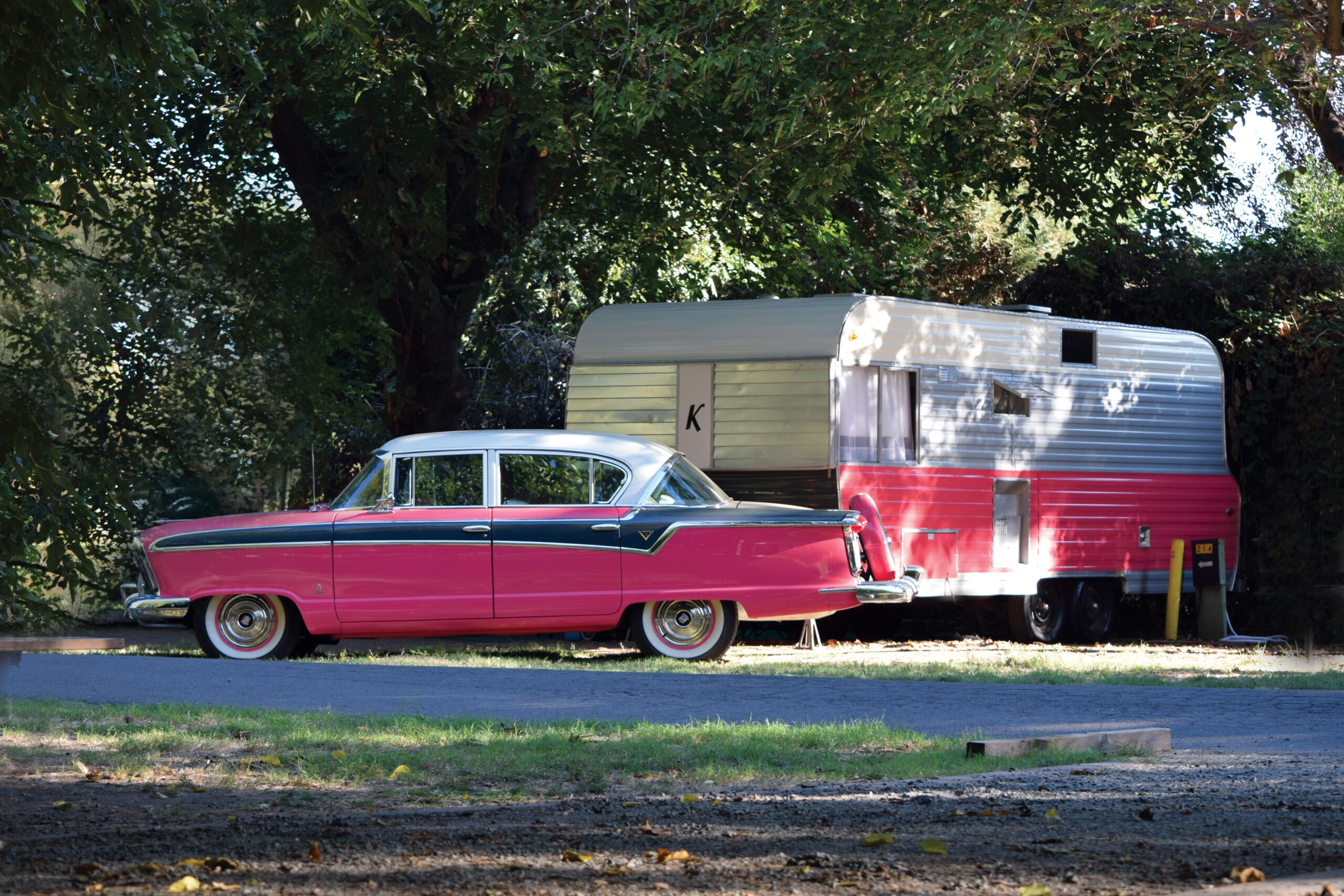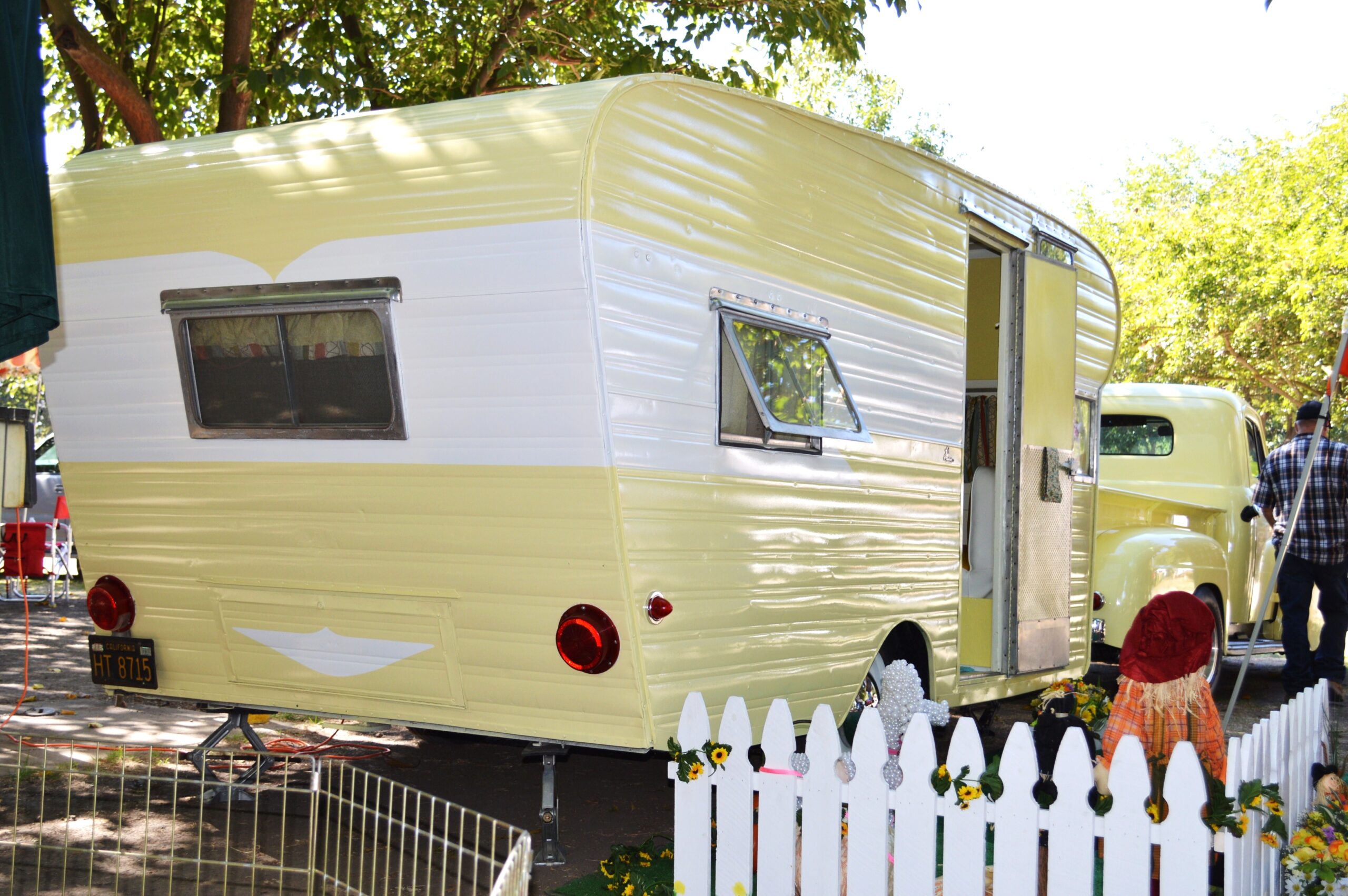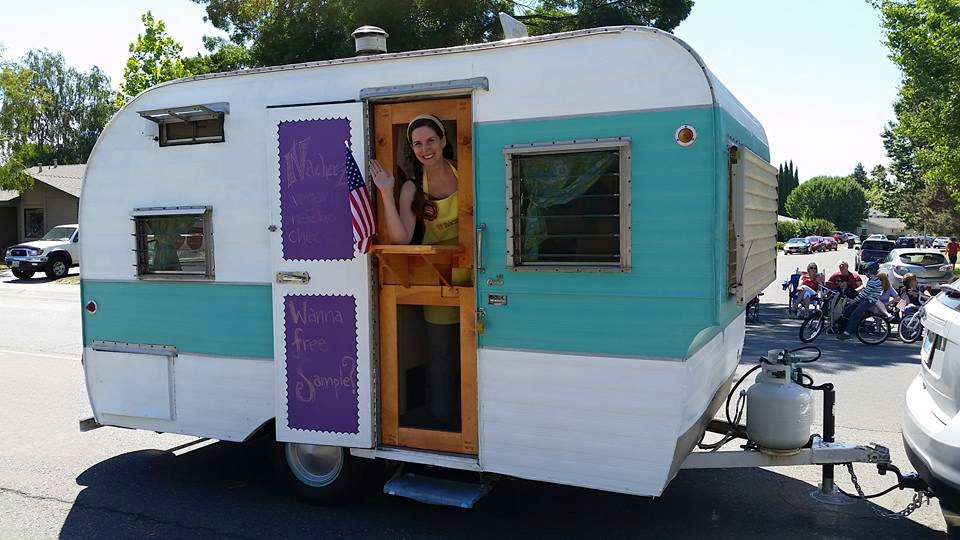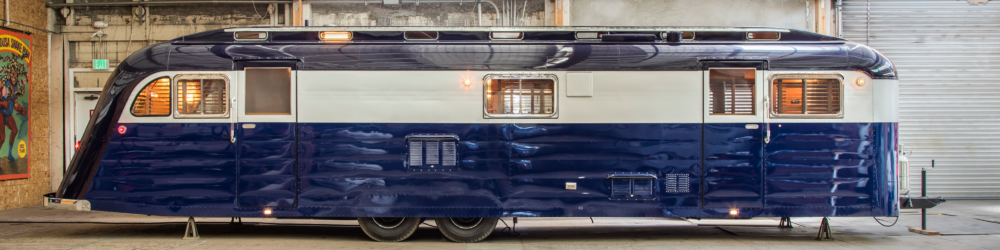

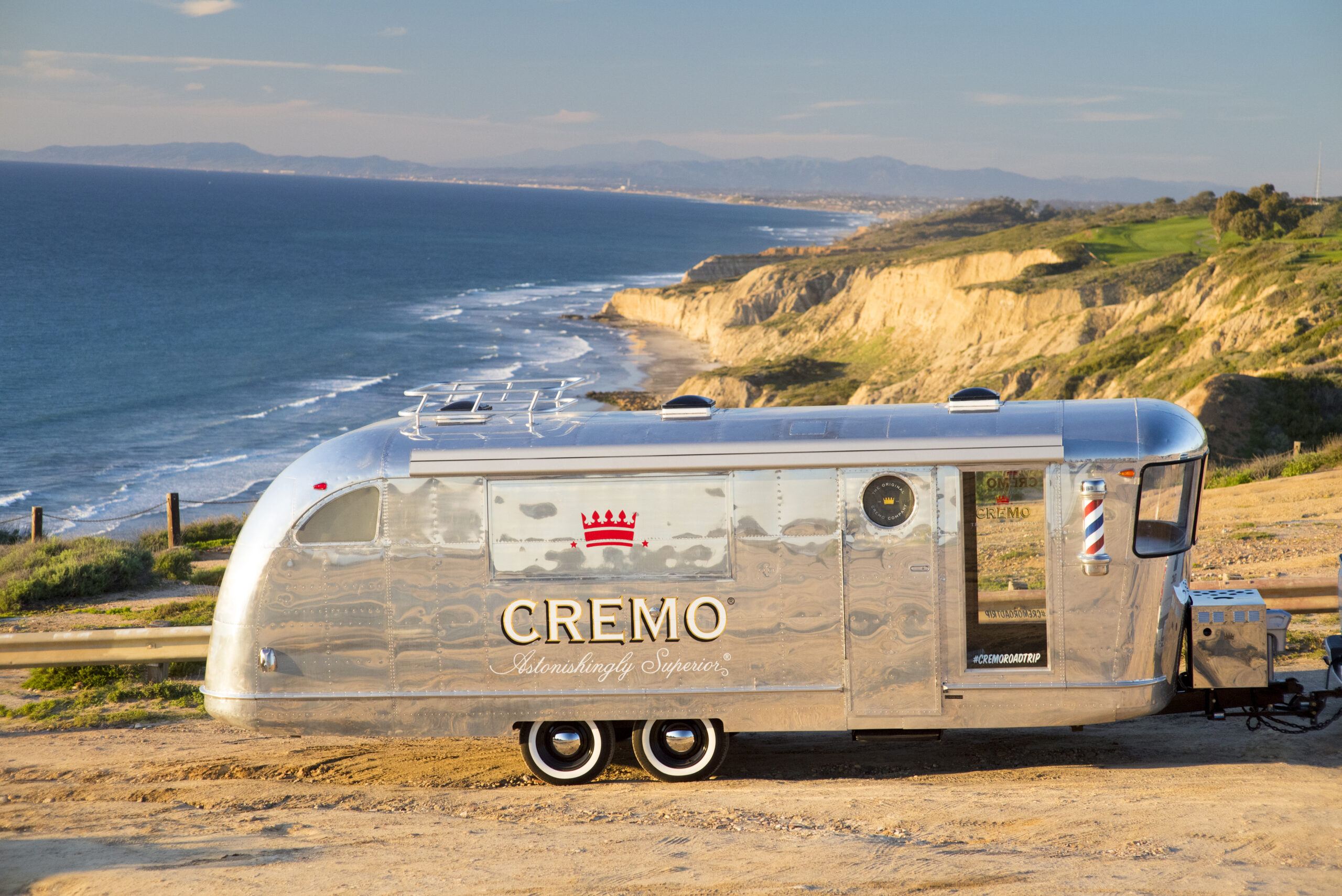
Vintage travel trailers are often associated with camping trips and roadside adventures, but in recent years they’ve found a second life in an entirely different role—serving as unique, mobile businesses. From coffee bars and boutiques to photo booths and salons, entrepreneurs are discovering that a beautifully restored classic trailer can become a memorable storefront on wheels.
One standout example involved the transformation of a 1948 Spartan Manor into a fully functional traveling barbershop. The goal was to recreate the atmosphere of a classic neighborhood barber shop—only in a vintage trailer that could travel to festivals, events, and promotions around the country.
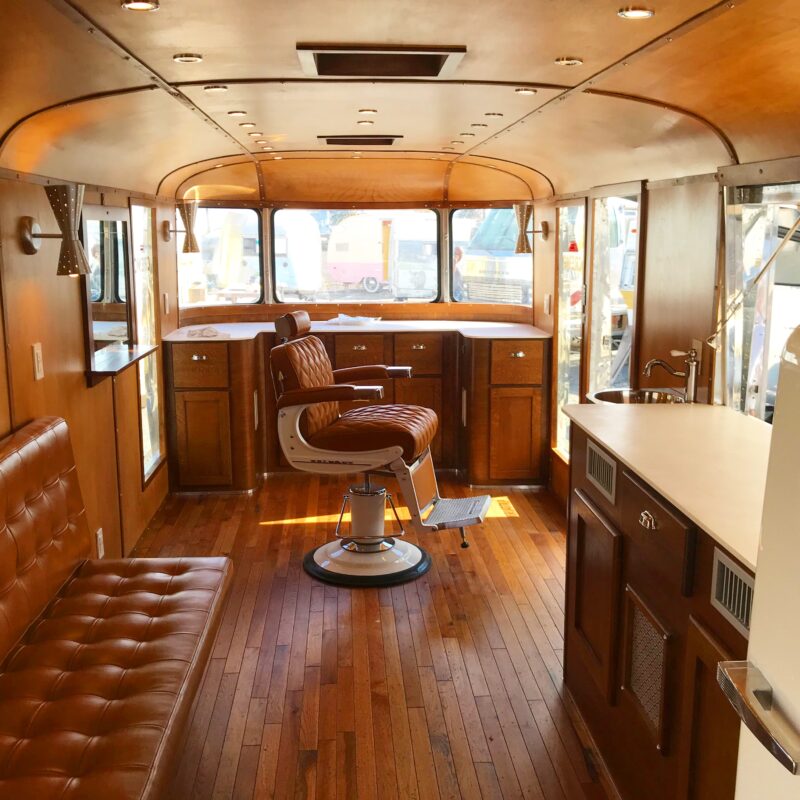
The design drew heavily from traditional barber shop aesthetics. At the heart of the space sat a classic Takara Belmont barber chair, a centerpiece that immediately set the tone. The chair was reupholstered in caramel-toned leather to complement a mid-century styled lounge sofa nearby, creating a comfortable waiting area for clients. Large floor-to-ceiling safety glass showroom windows were added to the trailer so passersby could watch the barber at work inside, turning the experience into a visual attraction as much as a service.
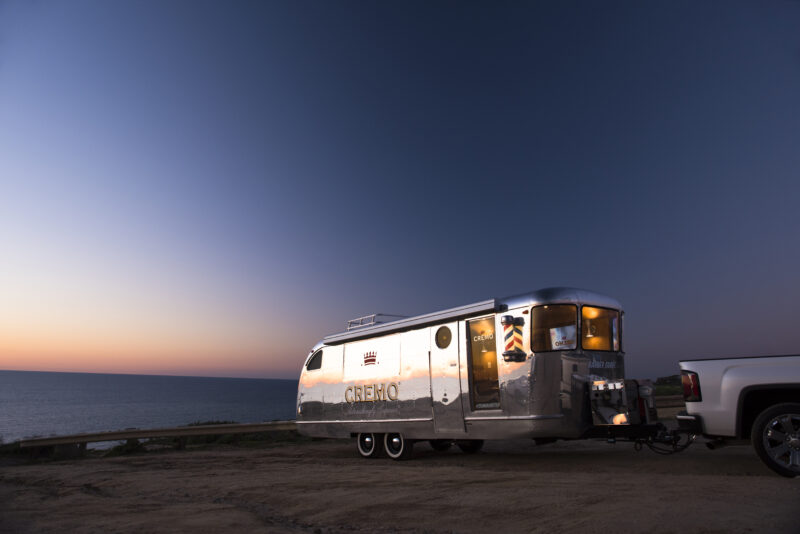
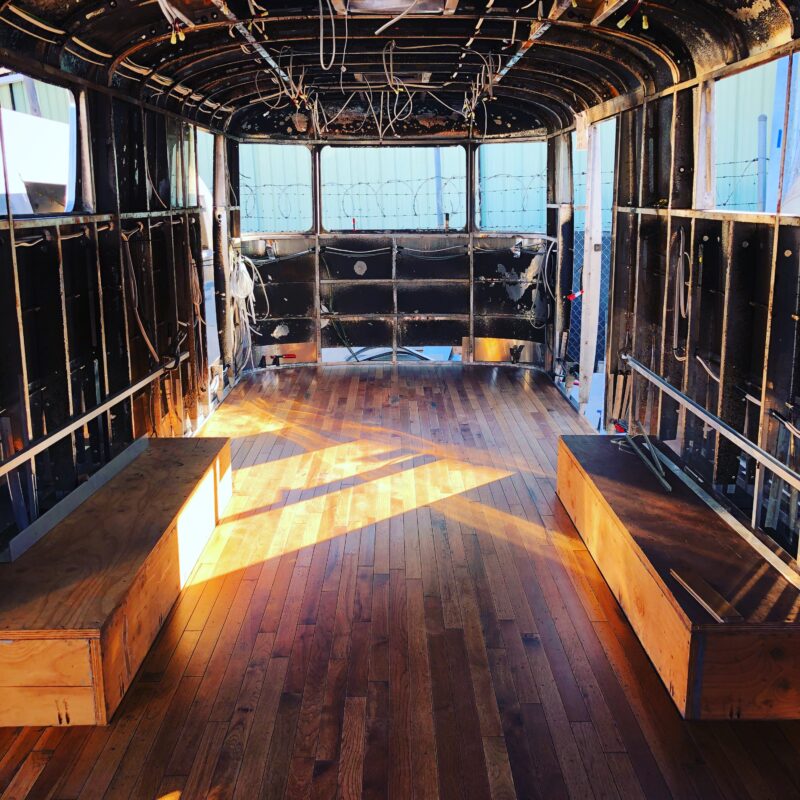
To make the trailer practical for commercial use, significant structural changes were required. The body of the Spartan received a six-inch lift to increase interior headroom for barbers and customers. The original single axle was replaced with a tandem axle system supported by a reinforced frame, and the tongue was extended to accommodate a 7,000-watt generator mounted at the front. A custom aluminum luggage rack completed the exterior modifications.
Inside, the trailer blended craftsmanship with durability. Fresh birch paneling lined the walls while oak cabinetry and distressed hickory hardwood flooring brought warmth to the main cabin. A compact bathroom included a stainless-steel shower and ceramic tile flooring. Hidden split-system air conditioners kept the interior cool, while a vintage-style full-size refrigerator and built-in blender made it easy to serve cold drinks during events. A large serving hatch over the bar allowed staff to interact with visitors outside, answer questions, and hand out samples.
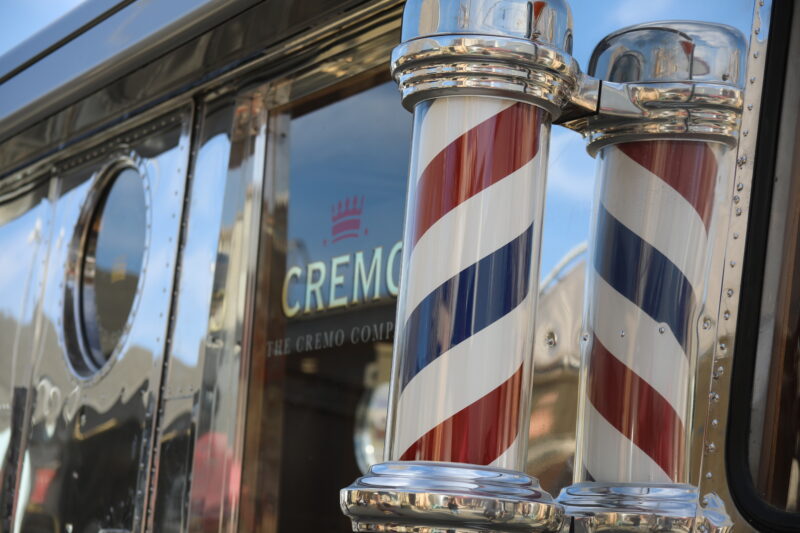
Even the exterior details stayed true to traditional craftsmanship. Instead of modern vinyl wraps, every sign was hand painted. Skilled lettering artists incorporated gold leaf accents, and a classic illuminated barber pole completed the look, giving the trailer the appearance of a traveling time capsule.
Once complete, the mobile barbershop began touring major festivals and events across the United States, drawing crowds curious to see a vintage trailer transformed into a working business. It became both a marketing tool and an attraction, proving how effectively vintage trailers can blend nostalgia with modern entrepreneurship.
Projects like this highlight a growing trend in the vintage trailer community. These aluminum and steel classics are not only being preserved for recreation—they’re being reimagined as mobile cafés, tasting rooms, retail shops, and service businesses. Their compact footprints, distinctive design, and mobility make them ideal for festivals, pop-ups, and promotional events.
Restoring and modifying a vintage trailer for commercial use is rarely simple. Nearly every inch of the interior often requires customization to meet modern needs while respecting the original character. But when the final result rolls out onto the road, it demonstrates something powerful: with creativity and craftsmanship, a vintage trailer can become far more than a camper—it can become a business that turns heads wherever it travels.