
If the time has come for you to sell your vintage trailer, you probably want to maximize the return on your investment. Trailers can be sold online, at rallies and other events, or even right out of your driveway. Online sales are probably the most popular way to put your trailer in front of the largest number of potential buyers. Here are seven tips for successfully selling your trailer online.
1. Take great photos.
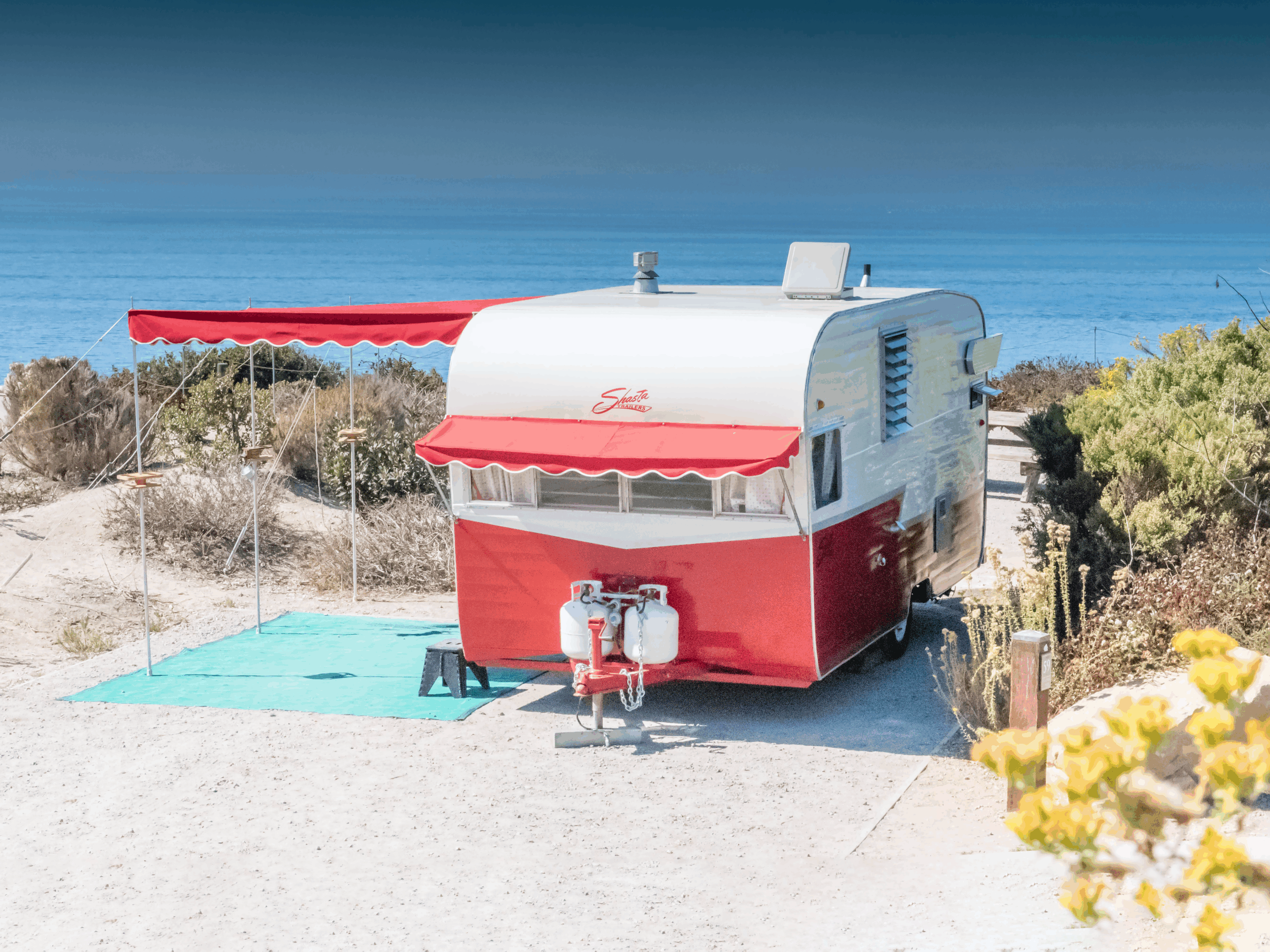
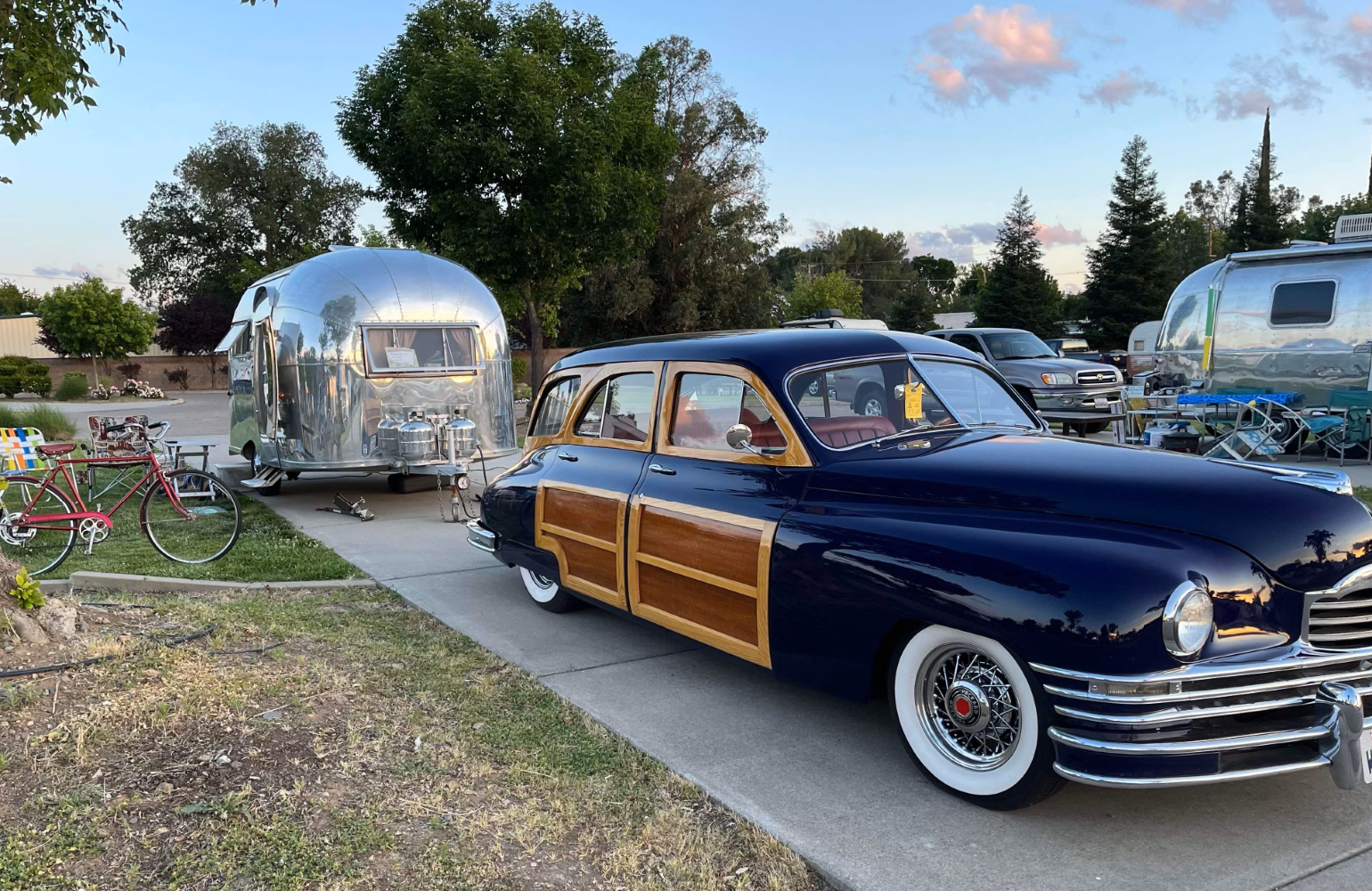
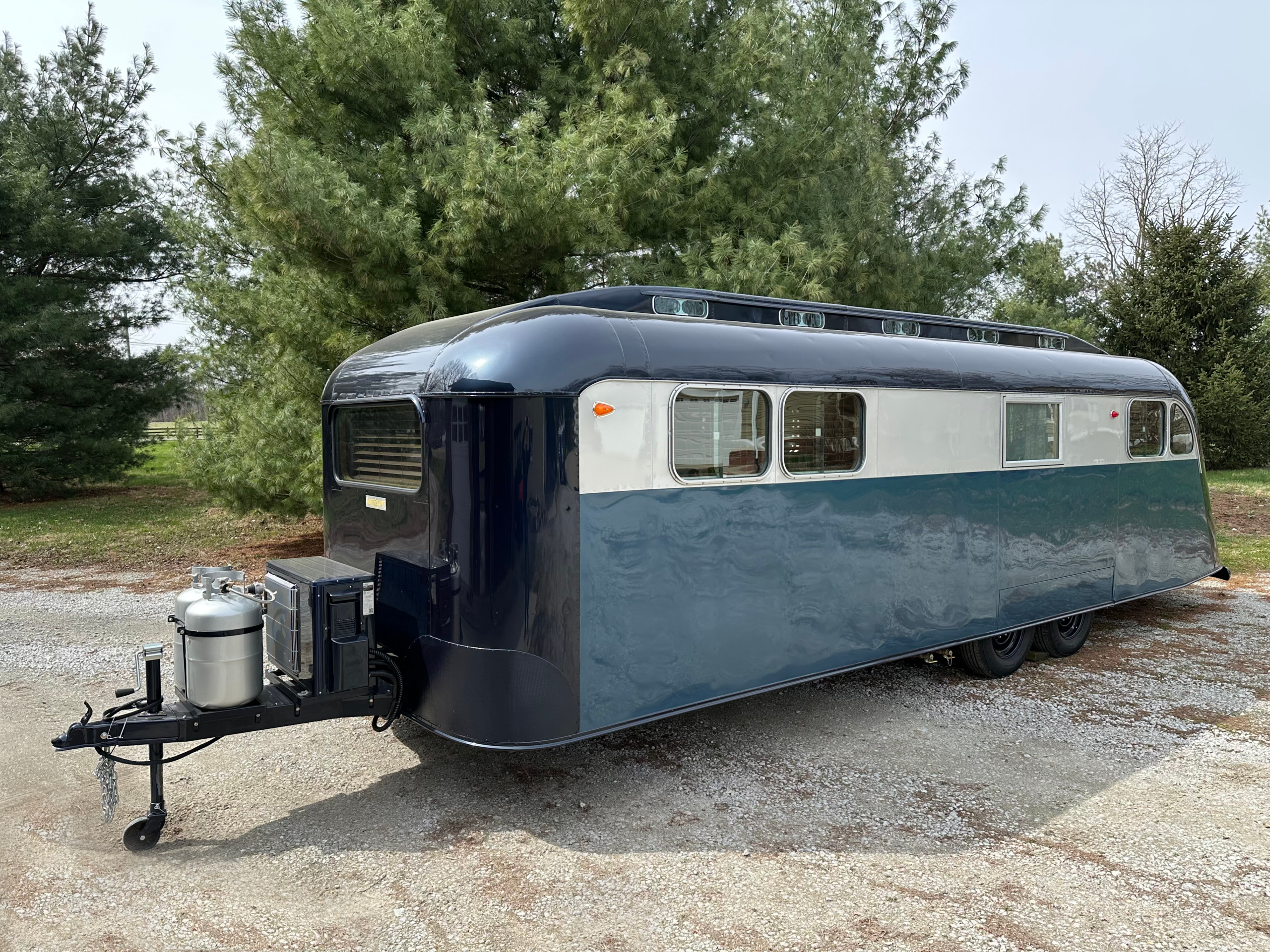
A picture is worth a thousand words. Exterior photos should show the full trailer from at least three angles. Nobody wants to see a close-up of your propane tanks. Dawn or dusk are often the best times for exterior photos, when the lighting is softer and there are fewer harsh shadows. Try to photograph the trailer in a camping setting so potential buyers can imagine how they might use it. Photos taken inside a shed or storage building tend to reduce the appeal.
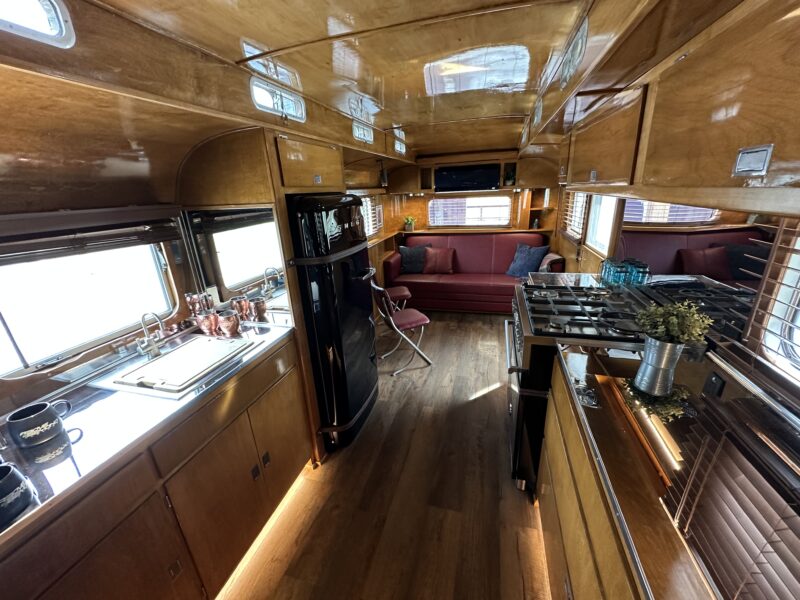
If you’re taking photos at a rally, clean up your campsite first. You don’t want a lot of distractions in the background. Interior photos should be taken with every light inside the trailer turned on, along with some natural light coming in from outside. Use as wide an angle as possible and focus on the key areas of the trailer. Unless you’re selling your salt and pepper shakers, there’s no need to zoom in on them. Add just enough décor to give buyers an idea of how the trailer can be set up. If the site allows it, include a video tour. Walking through the trailer while narrating its features can be very helpful for buyers.
2. Be accurate.
More words aren’t necessarily better. Write clear, concise, and honest text that will get buyers interested. Listing every single thing you have ever done to the trailer can become overly wordy and cause people to lose interest. Serious buyers can always contact you for additional information. If you know of issues with the trailer, disclose them. Being upfront about imperfections builds credibility with buyers.
3. Post on reputable sites.
Go where the buyers are. Vintage Camper Trailers Magazine has developed a multi-media approach to marketing vintage trailers nationwide. Classified ads are shared across VCT’s Facebook, Instagram, Pinterest, and Twitter platforms. VCT can also run targeted marketing campaigns for your region on Facebook and Instagram. VCT classified ads allow up to 20 photos and a video link, and they are managed directly by the seller. That means you can update or delete your ad at any time once the trailer sells.
http://classifieds.vintagecampertrailers.com
4. Price fairly.
You don’t want to leave money on the table, but if you price your trailer too high, you may not receive any offers at all. If the price is unrealistic, buyers may simply skip past your ad. Valuing a vintage trailer is not always easy. In the end, they are worth what someone is willing to pay. If you are thinking about selling, start watching listings to see what similar trailers in your area are selling for. You may also choose to have the trailer professionally appraised.
Know your bottom dollar if you are willing to negotiate. If your trailer has been listed for weeks or months with little interest, your first offer may end up being your best offer. Your price will also depend on how quickly you want or need to sell. Trailers priced at or above comparable market value may take longer to sell than those priced slightly below similar campers.
5. Provide multiple ways to contact you.
Include both a phone number and an email address. Not everyone prefers the same method of communication. Some people like to call, others prefer text messages, and some prefer email. Respond to inquiries as quickly as possible. In my experience, a text or email exchange should eventually lead to a phone call and an appointment to see the trailer. I generally avoid endless back-and-forth messages answering dozens of questions or sending additional photos.
6. Personal showings matter.
When someone comes to look at the trailer, make sure it is clean and aired out. You only get one chance to make a first impression. Have all of the keys and paperwork ready. Give the potential buyer time and space to look around while you remain nearby to answer questions. Try not to oversell the trailer. The right buyer will come along, and it may not be the first person who looks at it.
7. Beware of bogus buyers.
If something about the deal feels strange or too good to be true, it probably is. Most legitimate transactions happen face to face, and occasionally over the phone with a long-distance buyer. Reputable long-distance buyers don’t play games. They send deposits when they say they will, without a long string of excuses or delays. Our SCAM ALERT page.
If you encounter a situation that doesn’t seem right, talk it over with a friend or someone you trust. Personally, I don’t entertain offers from people who haven’t seen the trailer. I also don’t hold a trailer for a week without at least a $500 non-refundable deposit. Over time, you learn to recognize suspicious inquiries, and it’s perfectly fine to wait for the right buyer to come along.
The good news is that the vast majority of people in the vintage trailer community are great folks. In fact, many buyers eventually become friends and end up camping with us. Those are the people worth waiting for.