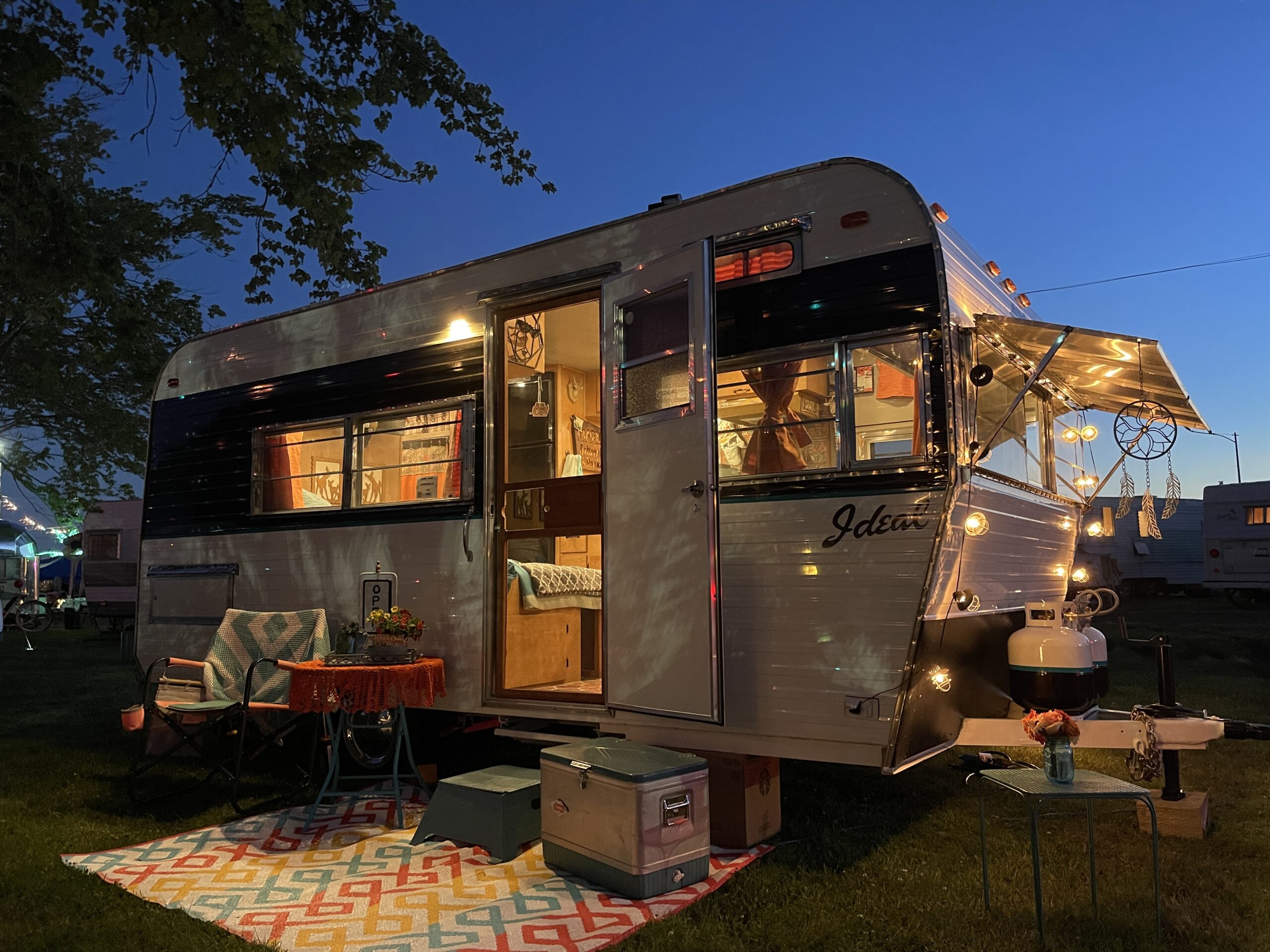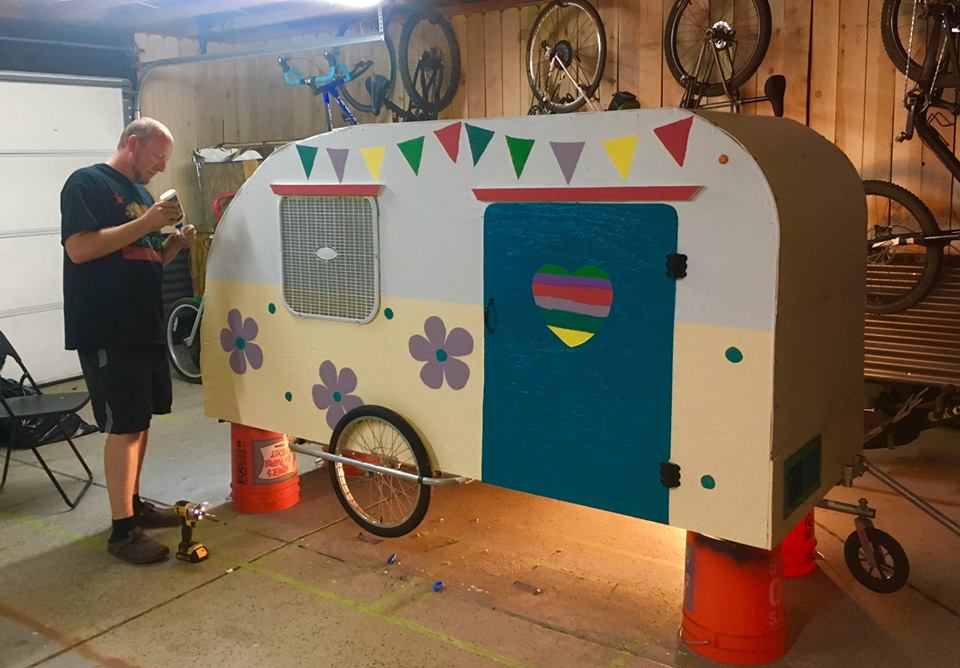

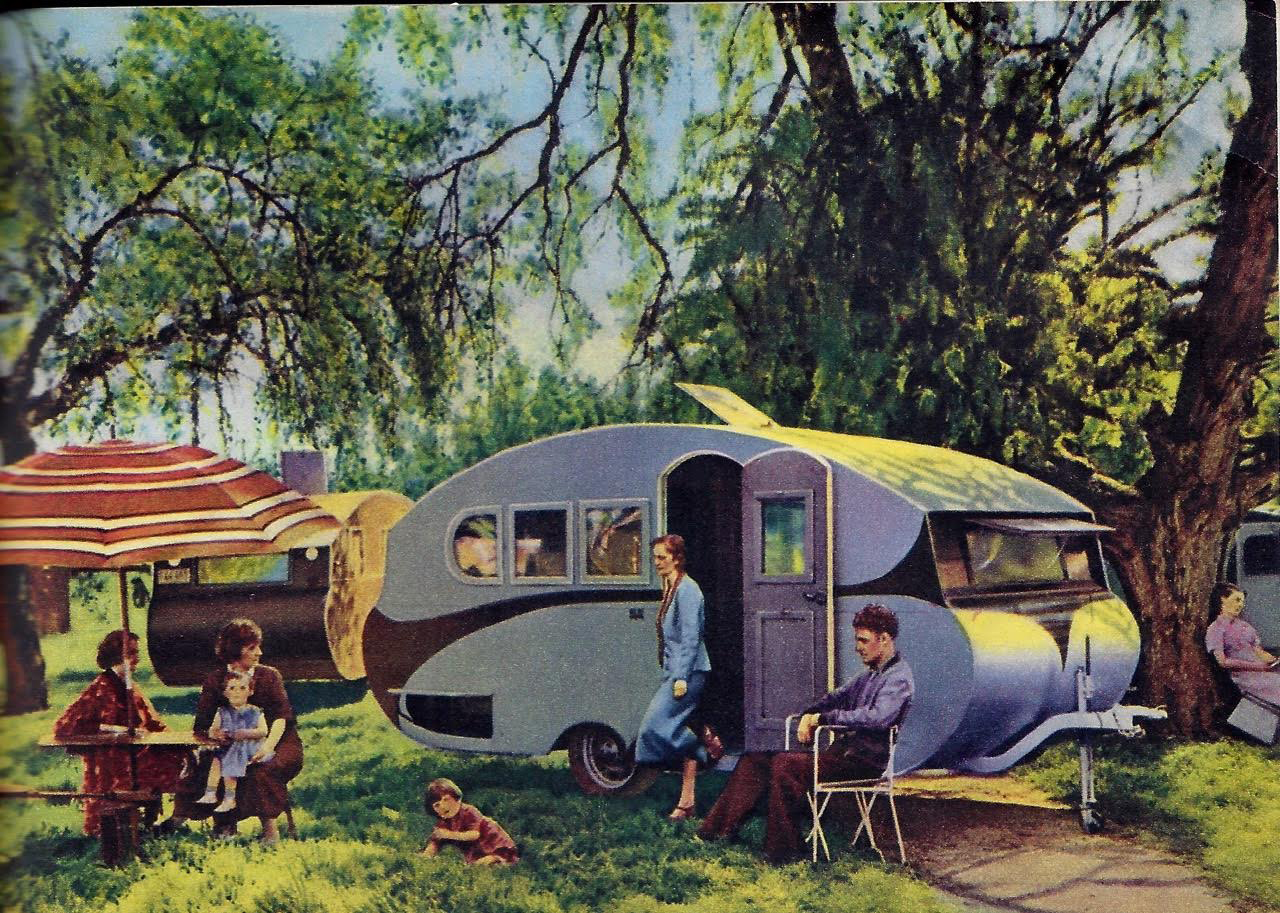
With more than a century of RV history in the United States, the possibility of discovering a unique “barn find” or one-of-a-kind trailer still exists. Many of these rescued and restored vintage beauties can now be seen in museums such as the RV/MH Hall of Fame in Elkhart, Indiana. Others remain in private collections, like the Gulley Museum Collection, or appear at the many vintage trailer rallies and events held across the country.
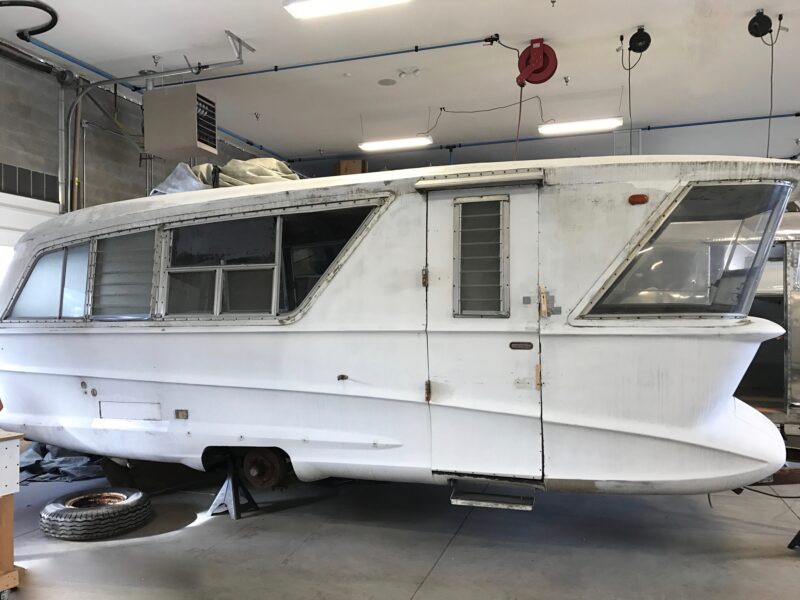
Vintage trailers and motorhomes carry names that evoke the early days of American road travel—brands like Pierce-Arrow, Hunt Housecar, Silver Streak, Airstream, and the iconic mail-order company Harry & David, which once offered the Holiday House trailer. Over the decades, these diverse rigs have captured the imagination of travelers and collectors alike, inspiring generations of road trips and adventure.
What all vintage trailers share, however, is the need to establish an accurate current market value. Whether the trailer is destined for restoration, preservation, or display, a professional appraisal helps ensure the rig is properly insured and that its historical documentation and provenance are preserved.
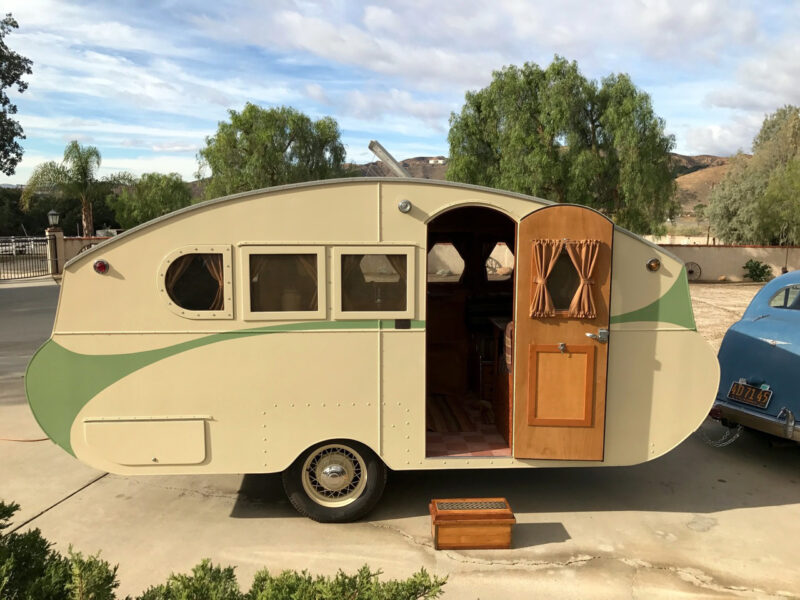
Notable Vintage Trailer Discoveries
Over the years, collectors and historians have uncovered many remarkable trailers. These have included rare prototypes, early production models, and historically significant travel trailers tied to famous journeys or notable owners.
Examples include the tiny prototype Der Klein Prinz, believed to be the smallest Airstream ever built; several Airstream trailers that traveled on early international caravans; and the oldest known production Airstream, the 1936 Silver Cloud. Other notable discoveries have included early models from manufacturers such as Curtiss-Wright and rare pre-war travel trailers dating back to the 1920s.
Occasionally, unique trailers with unusual design features or distinctive styling—such as a rare “Forgotten Gold” Airstream with a distinctive gold accent band—surface in private collections. When these types of trailers are discovered, determining their value requires careful historical research and documentation.
How Vintage Trailers Are Appraised
The process of valuing a vintage trailer generally follows three main steps:
1. Identification
The first step is accurately identifying the trailer. This may involve determining the manufacturer, model, production year, and any unique features. Serial numbers, factory plates, and historical records are often key sources of information.
In some cases, identifying a trailer may require consultation with historians, long-time collectors, or even factory archives. Clubs, enthusiast groups, and brand historians can also provide valuable insights when researching rare or unusual trailers.
2. Condition
The next step is evaluating the current condition of the trailer. This includes documenting structural integrity, originality, restoration work, and any modifications. Photographs are typically taken to record the trailer’s “as found” condition.
These images and notes not only help establish value but can also guide restoration efforts aimed at returning the trailer to a period-correct appearance.
3. Comparable Sales
Finally, appraisers research comparable trailers—similar models with comparable rarity, historical significance, and condition. Even when an exact match cannot be found, reviewing sales data for trailers of the same era or manufacturer helps establish a realistic market value.
Databases of vintage trailer sales, auction results, and private transactions provide important benchmarks. Combined with historical research and expert consultation, these comparables help create a more accurate picture of a trailer’s worth.
Preserving Value and History
For collectors, establishing the value of a vintage trailer is about more than insurance or resale potential. It also helps document the trailer’s historical significance, including ownership history, special journeys, or ties to notable individuals.
With vintage trailers continuing to gain popularity among collectors and travelers, proper documentation ensures these pieces of mobile history are preserved for future generations.
Whether displayed in a museum, showcased at a rally, or traveling the highways once again, every vintage trailer has a story—and a well-documented appraisal helps make sure that story is not lost.