
Getting started with an insurance quote for a vintage RV is like other policy types. Insurance carriers want to know the year, make, and model of the RV, along with the mailing address and drivers in the household. If the primary garaging address of the RV is different than the mailing address, that should be disclosed. RV policies need to be rated where the unit is primarily kept. If it is not located in one state six months or more, a full-time policy may be the right fit. The premium is determined through several factors including: driving history, age, number of days the RV is used per year, settlement type, RV value, location of the unit, credit, and claims history.
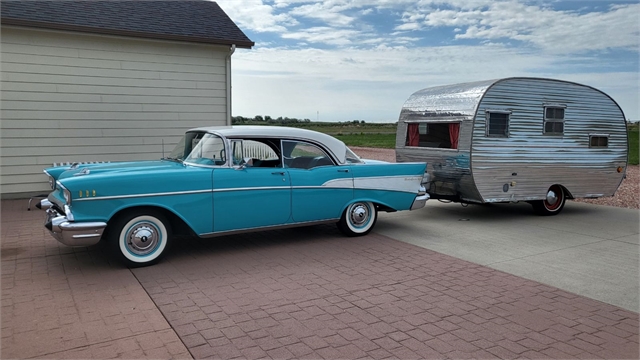
The best coverage option for vintage RVs is an agreed value policy. With this settlement type, the insurance company would pay the entirety of the insured value of the RV at the time of a total loss, less any applicable deductible. The value of the RV does not depreciate.
An agreed-value policy can be secured in two ways: through a bill of sale or a professional appraisal. If the RV being purchased has been restored, its value is established by a bill of sale or receipts, typically dated within the last two years, accompanied by interior and exterior photos. The other option for establishing an agreed value policy is a professional appraisal.
If you need assistance establishing a current value for your vintage trailer, we can help. Check out our Vintage Trailer Appraisal service.
The appraisal could be performed to start the policy or later in the policy term. For example, someone purchased a vintage RV for $10,000, but wanted to do some cosmetic upgrades. An agreed value policy could be written at $10,000, with a supporting bill of sale. Once the professional restoration was completed, they could contact an appraiser to complete an evaluation. A copy of the appraisal would be provided to the insurance company and the insured value of the RV would be increased to the amount listed on the appraisal.
There are underwriting guidelines with insurance companies regarding the scope of work that can be done if the vehicle is insured prior to the restoration being completed. It is best to check with the insurance company or agent and be transparent with the amount of work that will be performed.
Insurance carriers have different underwriting guidelines regarding how long the agreed value stays on the policy. Some are limited to ten years, while others keep that value for the lifetime of the policy. Be sure to check on the limitations with the carrier. Keep in mind that rare, vintage RVs should be reappraised every few years to keep the value current.
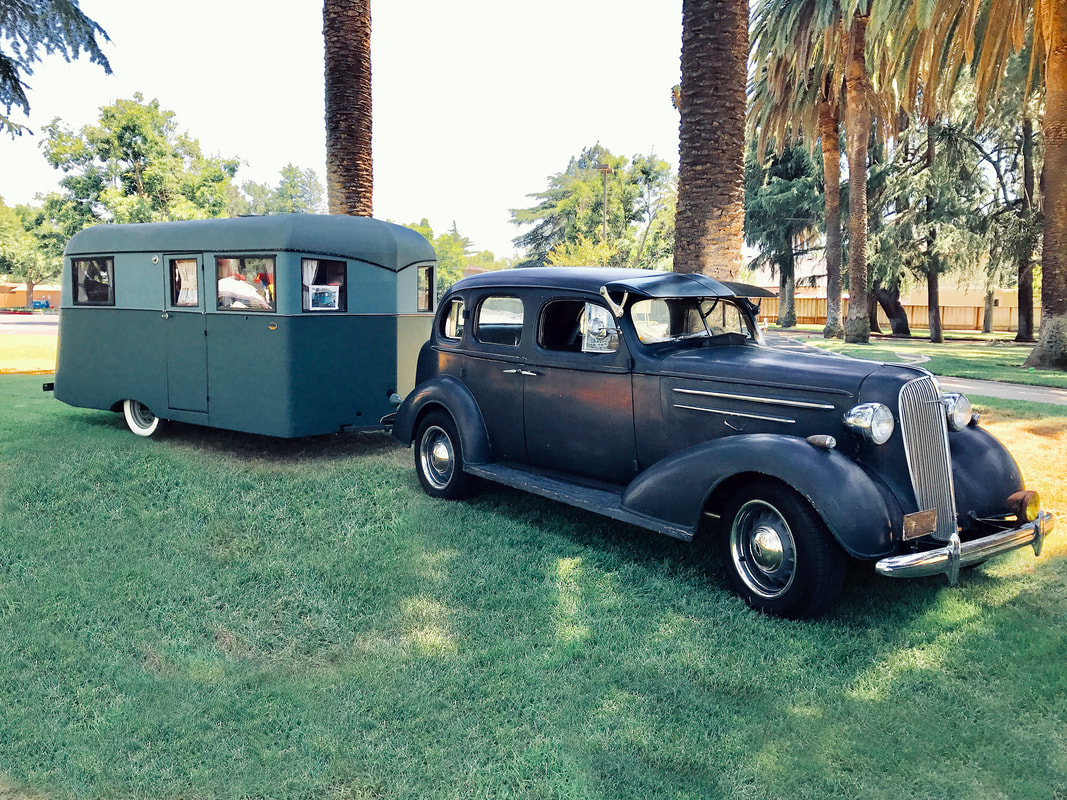
A stated value insurance policy for a vintage trailer is a type of coverage where you and the insurance company assign a declared value to the trailer, and that amount is used as a reference when determining a claim. However, it’s important to understand that this value is not guaranteed. In the event of a total loss—such as theft, fire, or severe damage—the insurer will typically pay the lesser of the stated value or the trailer’s actual cash value at the time of the loss. This means that even if you insure your trailer for a higher amount, depreciation or the insurer’s assessment of market value can result in a lower payout.
For vintage trailers, this distinction matters because values can vary widely depending on condition, originality, and restoration quality. A stated value policy offers more flexibility than standard coverage and can provide a higher potential payout cap, but it still leaves room for interpretation. This is different from an agreed value policy, where both you and the insurer lock in a specific value upfront and that is the amount paid if the trailer is totaled. While stated value policies often come with lower premiums and fewer requirements, they don’t offer the same level of certainty. In short, they provide a middle-ground option—better than basic coverage, but not as comprehensive as agreed value insurance for protecting a vintage trailer investment.
The best way to ensure a vintage RV is properly covered is to work with an RV specialist. They will be able to educate on the process and can write policies that will insure the asset properly.