


Every experienced trailer owner knows that towing safely involves more than simply dropping the coupler onto the hitch ball and hitting the road. One of the most important—and sometimes overlooked—components of a safe towing setup is the trailer safety chain system. Properly installed safety chains act as a critical backup connection between the tow vehicle and trailer if the coupler ever disconnects from the hitch.
While no one wants to imagine that scenario happening, properly connected safety chains can prevent a dangerous runaway trailer and help maintain control long enough for the driver to stop safely.

Why Safety Chains Matter
Safety chains serve one simple but vital purpose: they keep the trailer attached to the tow vehicle if the hitch connection fails. In the event the coupler jumps off the ball or the hitch assembly fails, the chains provide a secondary link that keeps the trailer from separating completely.
Without safety chains, a disconnected trailer could quickly become a serious road hazard.
The Correct Way to Connect Safety Chains
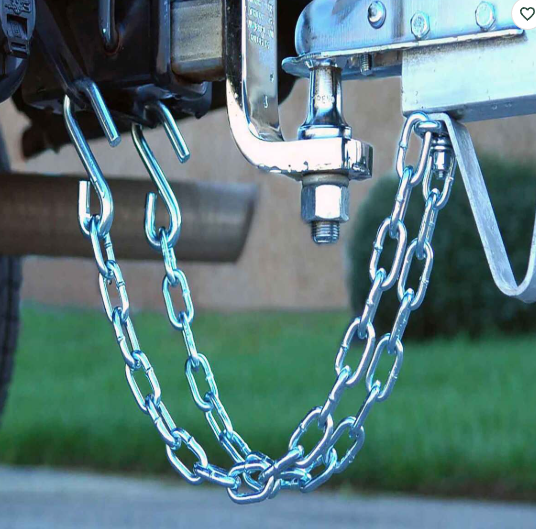
The most widely recommended method for attaching safety chains is to cross them beneath the trailer tongue in an “X” pattern.
This means the chain on the right side of the trailer connects to the left-side attachment point on the tow vehicle, and the chain on the left side connects to the right-side attachment point. When crossed, the chains create a cradle beneath the tongue of the trailer. If the coupler disconnects, the crossed chains help catch and support the tongue rather than allowing it to drop directly to the pavement.
This simple step can make a major difference in maintaining control of the trailer until you can safely stop.
Use Proper Attachment Points
Safety chains should always be connected to strong, dedicated attachment points on the tow vehicle. Most modern hitch receivers include welded loops specifically designed for this purpose.
Avoid attaching chains to the vehicle’s bumper unless the bumper is specifically rated for towing. In many cases, bumpers are not designed to handle the forces created during an emergency disconnect.
Each chain should have its own attachment point on the hitch or tow vehicle frame.
Check for the Right Amount of Slack
Proper chain length is another key factor in safe towing. The chains should be long enough to allow the trailer to turn freely when cornering, but not so long that they drag on the ground.
If the chains are too long, they may not effectively support the trailer tongue during a disconnect. If they are too short, they could bind during tight turns and create unnecessary strain.
If your chains are slightly too long, a simple solution is to twist them a few times to shorten their effective length. This adjustment helps prevent dragging without weakening the chain.
Pay Attention to Hook Orientation
How the chain hooks are attached can also improve security. A common recommendation is to attach the hooks from the inside or backside of the hitch loops so they face inward. This orientation reduces the chance that the hooks could bounce loose during travel.
Some owners also prefer using safety hooks with spring-loaded clips for additional peace of mind.
Don’t Forget the Breakaway Cable
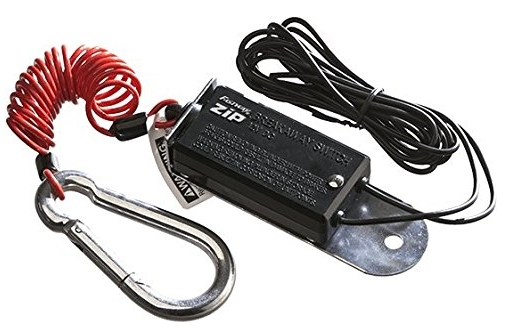
Many trailers—especially those equipped with electric brakes—also include a breakaway cable. This cable is designed to activate the trailer’s emergency braking system if the trailer completely separates from the tow vehicle.
The breakaway cable should be attached directly to the hitch or tow vehicle frame, not to the safety chains. It should also have slightly less slack than the chains so it activates the brakes before the chains reach their full extension.
Choose Chains Rated for Your Trailer
Not all chains are created equal. Safety chains should have a combined strength rating equal to or greater than the trailer’s Gross Vehicle Weight Rating (GVWR). This ensures they are strong enough to handle the load if a disconnect occurs.
Using undersized chains can lead to failure when they are needed most.
A Simple Habit That Improves Safety
Connecting safety chains properly takes only a few seconds, but it can make an enormous difference in towing safety. Before every trip, it’s worth taking a moment to double-check that the chains are crossed, securely attached, and adjusted to the proper length.
For vintage trailer owners and modern RV travelers alike, this small step helps ensure that every journey ends just as safely as it began.