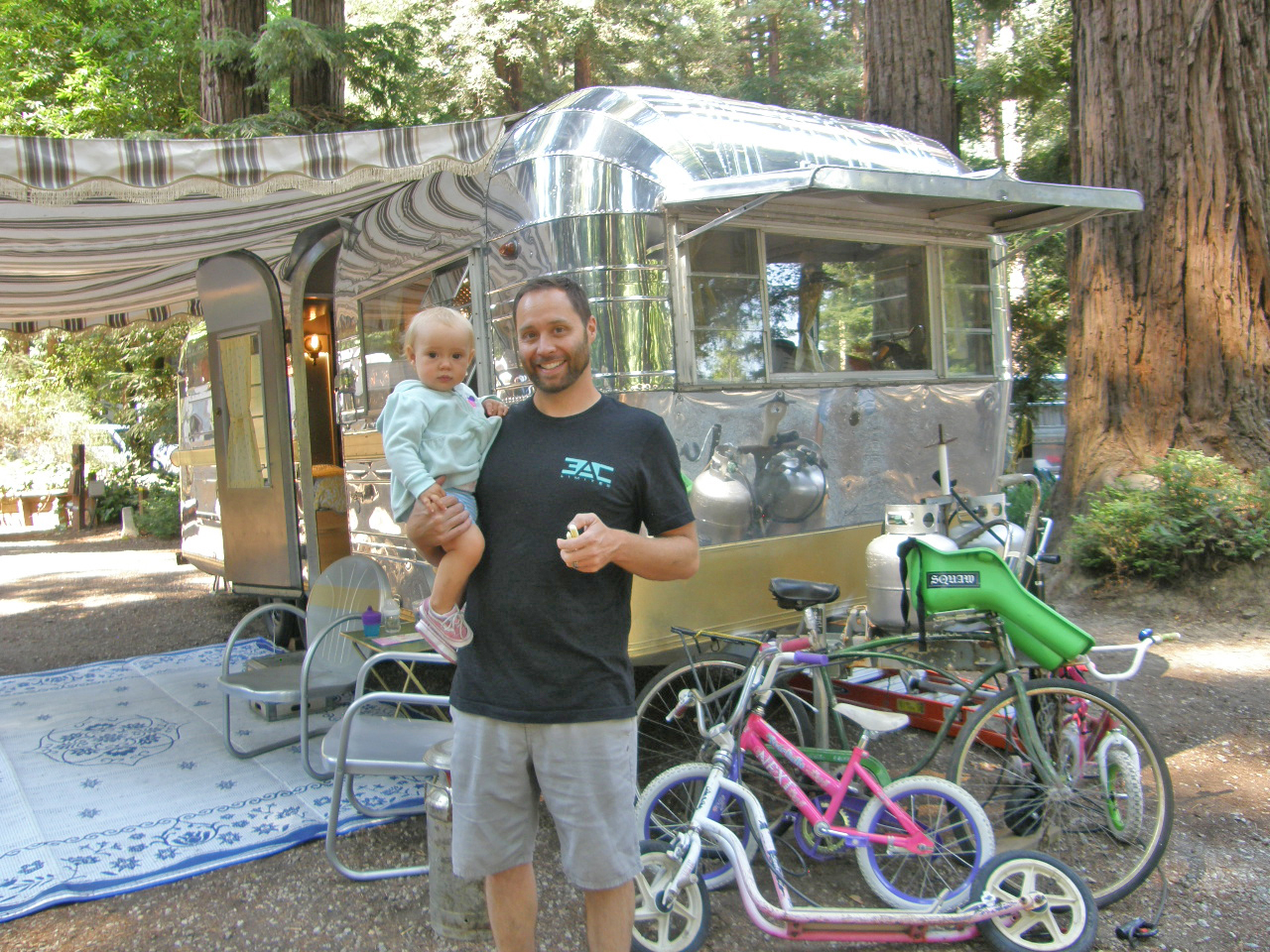


Did you know that studies have suggested camping in an RV can be more environmentally friendly than staying in a hotel—or even traveling by car or plane for traditional vacations? While RV travel can already have a smaller footprint, there are still plenty of ways to make your camper even greener. Whether you own a vintage trailer or a newer RV, a few thoughtful upgrades and habits can make a meaningful difference. Here are a few ideas to get you started.
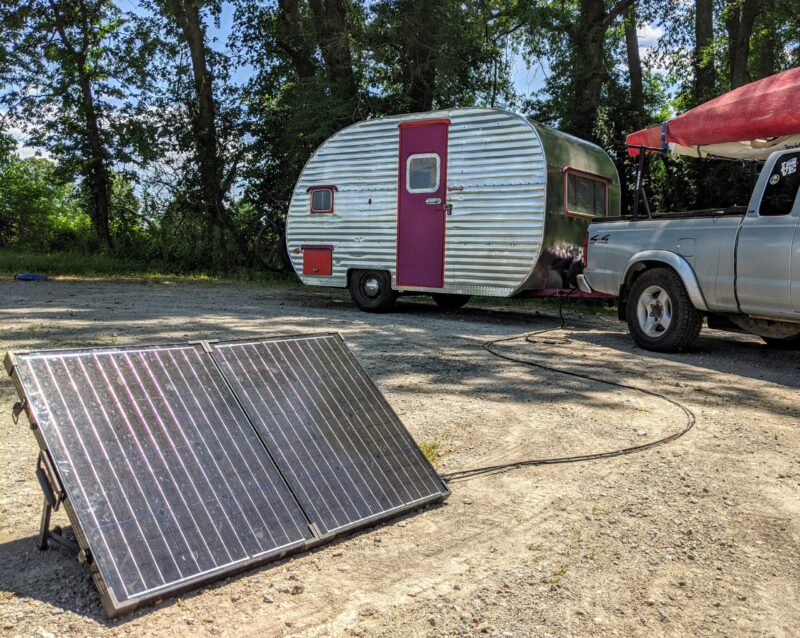
Use Solar or Wind Power: Adding solar panels to your camper is one of the most popular eco-friendly upgrades. Solar power allows you to take advantage of the sun’s energy while giving you the freedom to camp in places without traditional hookups. Solar systems can be used to recharge batteries, help power appliances like a refrigerator, and in some setups even assist with heating water.
Some campers also explore small wind turbines designed for RV use. Modern technology has made it possible to scale turbines down to fit on top of a camper. While they can generate useful power in windy areas, they do have one drawback—noise—so it’s worth considering whether they’re a good fit for your travel style.
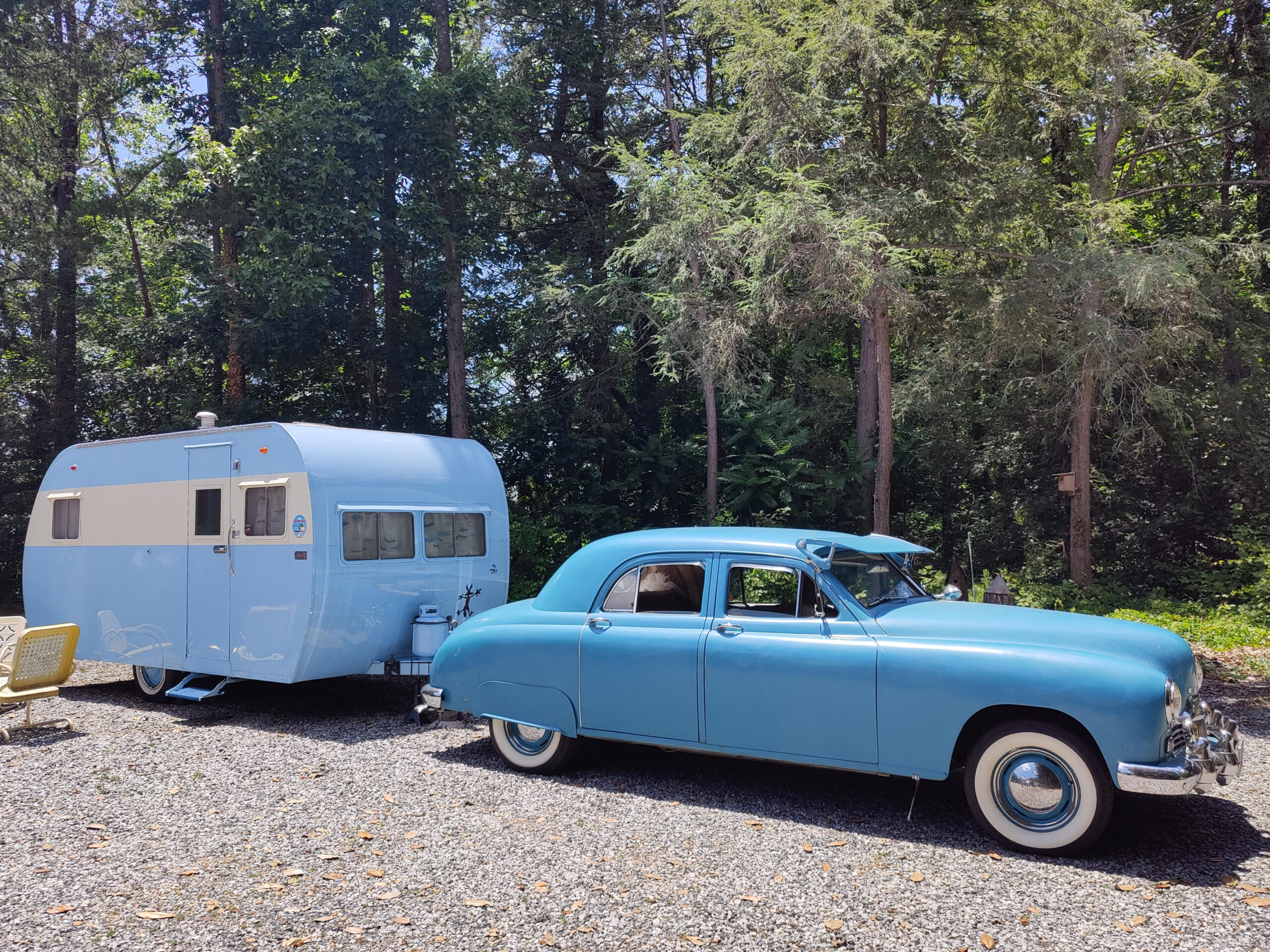
Watch Your Speed: The open road may be calling, but slowing down a bit can make a big difference in fuel efficiency. According to the U.S. Department of Energy, every 5 mph over 55 mph can add about $0.27 per gallon to fuel costs. A few other simple habits can also help improve efficiency, such as keeping your tires properly inflated and packing only what you truly need. Less weight means your vehicle has to work less to move down the road.
Improve Your Insulation: Good insulation helps keep your camper comfortable while reducing the need for heating or air conditioning. If your RV struggles with temperature swings, it may be time to check the insulation around windows, doors, roof vents, and exterior seams. Sealing gaps and improving insulation can make a noticeable difference in both comfort and energy use.
Minimize Your Trash: Sometimes the simplest changes have the biggest impact. Using reusable dishes instead of disposable plates and plastic utensils can significantly cut down on waste. Bringing a travel mug or refillable water bottle is another easy way to reduce single-use plastics.
When possible, choose biodegradable soaps, dishwashing liquids, and body products. These products contain fewer toxins and are better for the environment, especially when camping in natural areas. And of course, don’t forget to recycle whenever possible. If your campground doesn’t provide recycling bins, consider collecting recyclables and disposing of them properly once you return home.
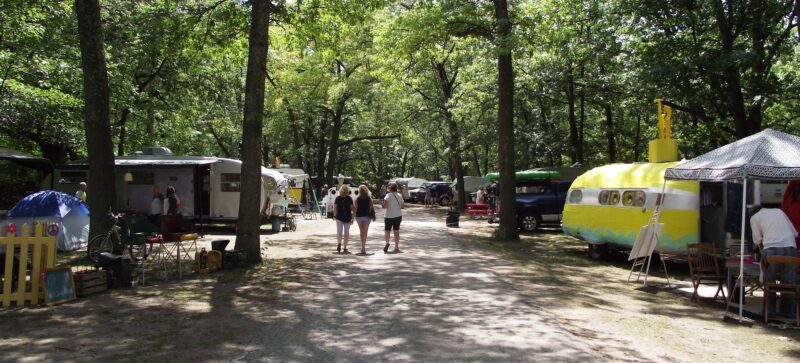
Final Thoughts: These ideas are just a starting point. There are countless ways to make RV travel more environmentally friendly, and often it’s the combination of small changes that makes the biggest difference. With a little planning and a mindful approach, campers can enjoy the open road while helping protect the places they love to explore. Add your ideas to the comments below.