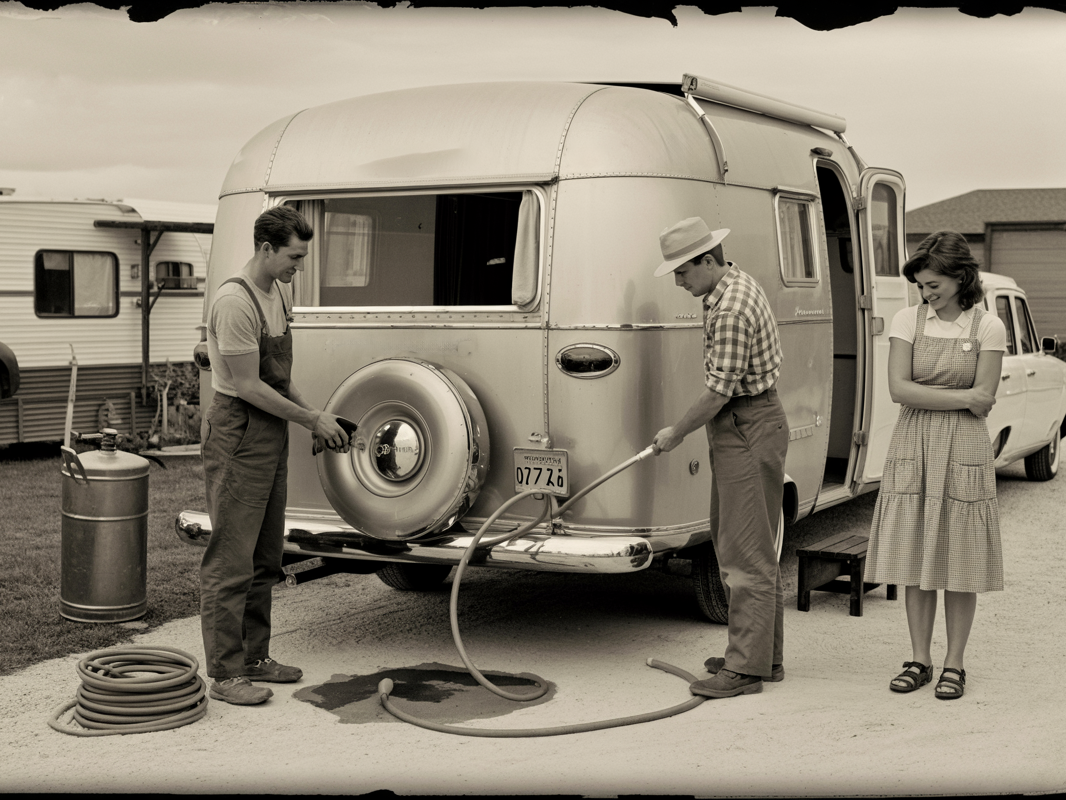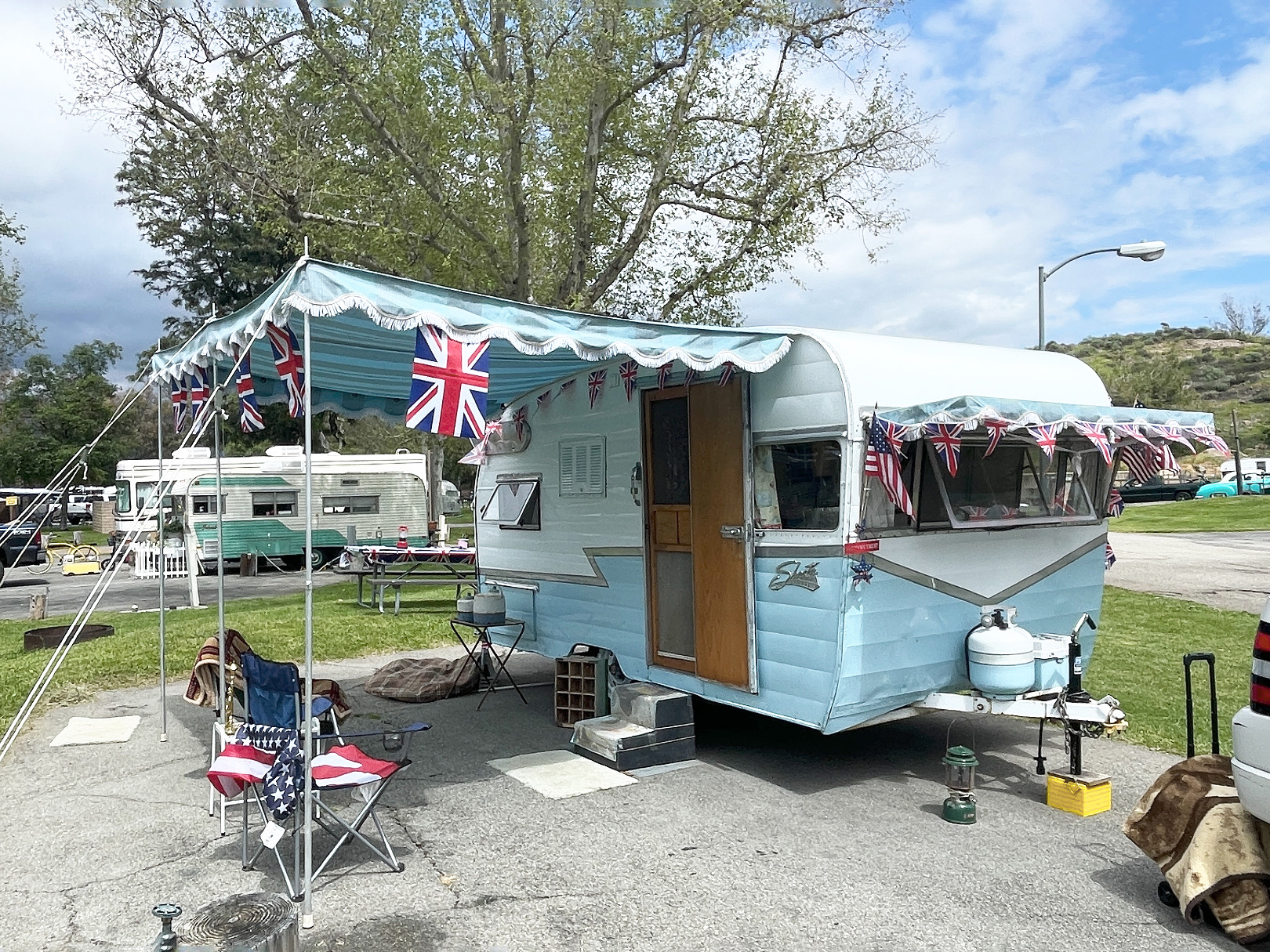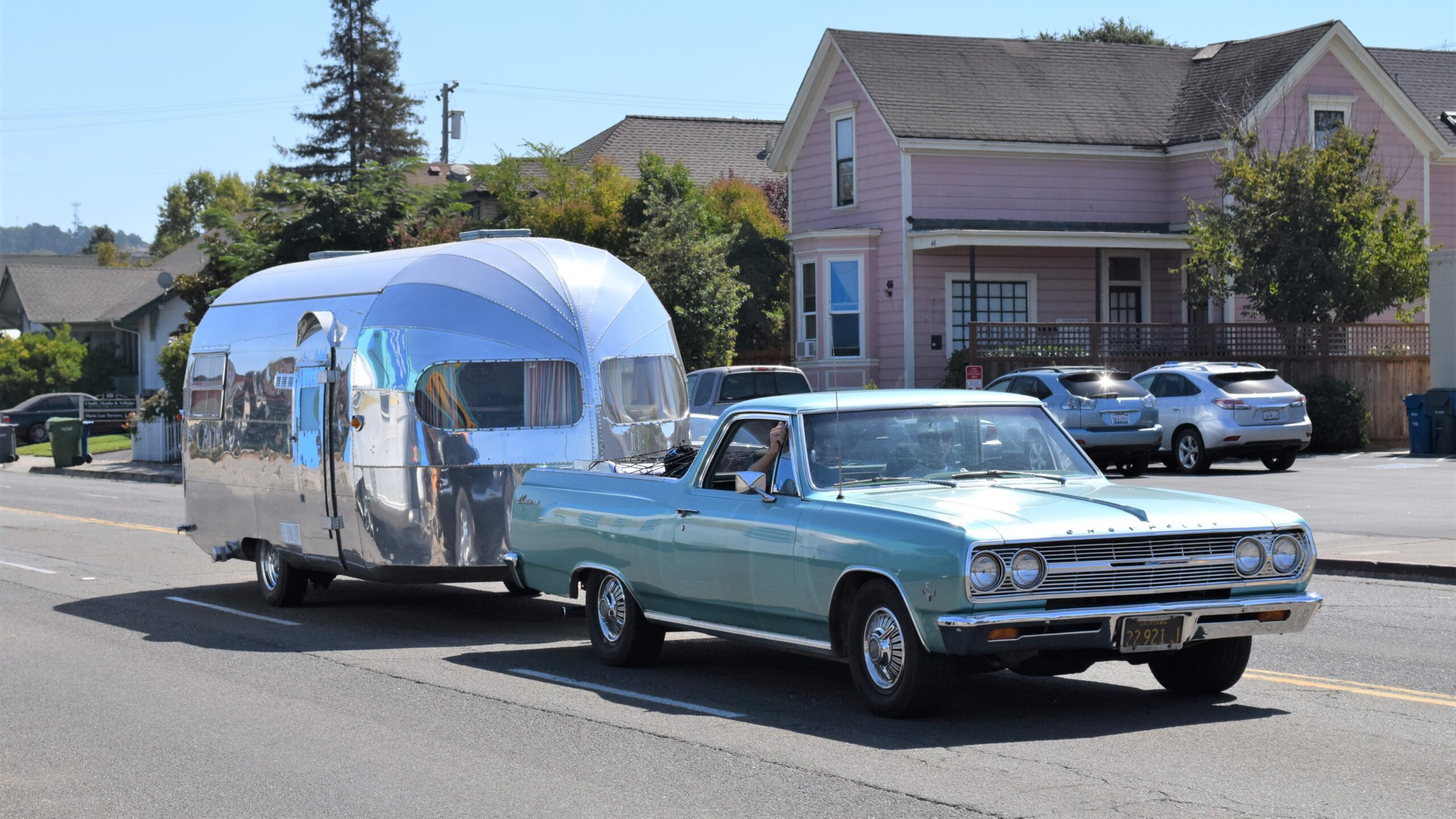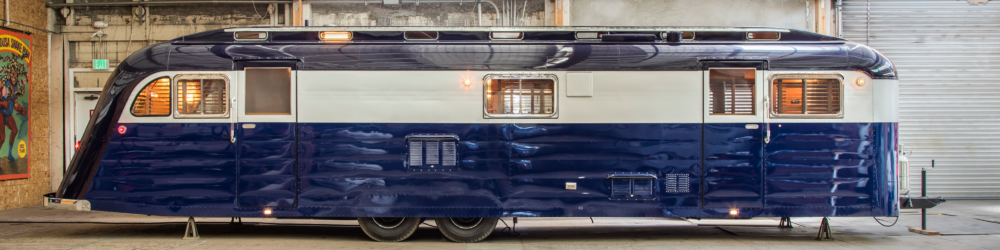

If there’s one topic guaranteed to spark passionate responses among vintage trailer owners, it’s fuel mileage. Recently, a simple question in our Facebook community turned into a wide-ranging discussion filled with hard data, decades of experience, humor, and a healthy dose of reality.
The conversation started with a simple question posed in our Vintage Camper Trailers Facebook group: How can I improve fuel mileage while towing a vintage trailer? What followed was an outpouring of real-world experience, opinions, data, and humor from across the community. In total, 68 members weighed in, sharing what has worked for them over thousands of miles and decades of towing. We’ve compiled those responses here into a single, practical overview—capturing the collective wisdom of people who live the vintage trailer life every day.
The short answer? There’s no magic bullet—but there is a strong consensus.
Slow Down. Seriously.
Over and over again, experienced towers echoed the same advice: speed is the biggest enemy of fuel economy. Most contributors reported their best mileage between 50 and 60 mph, with many drawing a hard line at 55.
Several members noted that every jump in speed dramatically increases wind resistance. One contributor summed it up perfectly: when you’re towing, you’re basically pulling a parachute. Doubling speed doesn’t double drag—it multiplies it. That’s why many saw mileage fall off a cliff once they pushed past 60–65 mph.
There were outliers, of course—diesel owners pulling large rigs at highway speeds—but even they acknowledged that slower speeds almost always improve efficiency.
Tire Pressure Matters (More Than You Think)
If speed was the most common answer, tire pressure was a close second. Both tow vehicle and trailer tires need to be inflated to their recommended pressures. Underinflated tires increase rolling resistance, heat buildup, and fuel consumption.
Several contributors emphasized checking pressures before every trip, especially when temperatures change. Properly inflated tires don’t just improve mileage—they also improve safety.
Find Your Vehicle’s “Sweet Spot”
Many drivers talked about learning their tow vehicle’s optimal RPM range. Diesels, in particular, seem to reward drivers who stay within a narrow band where the engine is working efficiently without lugging or over-revving.
Gas engines have sweet spots too, though they vary widely by vehicle. The takeaway: pay attention to your tachometer, not just your speedometer.
Weight, Balance, and Packing Light
Another consistent theme was weight discipline. Overloading the trailer—or the truck bed—hurts fuel economy fast. Experienced owners recommend packing intentionally, carrying only what you’ll actually use, and keeping heavy items low and centered.
Wheel balance, properly lubricated wheel bearings, and overall trailer maintenance were also cited as small details that add up over long distances.
Aerodynamics: Don’t Expect Miracles
Some participants wondered about trailer modifications—airfoils, fairings, tongue deflectors, underbody panels. The community response was blunt: there’s no proven add-on that meaningfully overcomes the basic shape of a vintage trailer.
A few noted modest improvements from camper shells or bed caps on pickup trucks, which help smooth airflow between the cab and trailer. Interestingly, one member shared that towing behind a box truck resulted in better mileage than towing behind a pickup—proof that what happens before the trailer matters as much as the trailer itself.
Diesel vs. Gas: The Eternal Debate
Diesel owners chimed in often, reporting better towing mileage and less dramatic drops when loaded. Some even suggested that switching to a diesel tow vehicle was the single biggest improvement they ever made.
That said, plenty of gas-powered rigs perform just fine when driven conservatively. The group largely agreed: matching the tow vehicle to the trailer matters more than chasing a specific engine type.
A Vintage Perspective
Several contributors offered an important reminder: when most of our trailers were built, interstates didn’t exist, speed limits were lower, and travel was slower by design. Back roads, scenic routes, and relaxed pacing weren’t inconveniences—they were the point.
One member put it best: go slower, take the back way, and enjoy the trip. The mileage will improve, and so will the experience.
The Bottom Line
If you’re looking to improve fuel economy while towing a vintage trailer, the collective wisdom is clear:
- Keep speeds between 50–60 mph
- Maintain proper tire pressure
- Pack light and balance your load
- Keep your rig well-maintained
- Accept that towing will always reduce MPG—and that’s okay
As one contributor summed it up with a smile: It’s all worth it once you get settled in.
And honestly? That might be the best advice of all.