
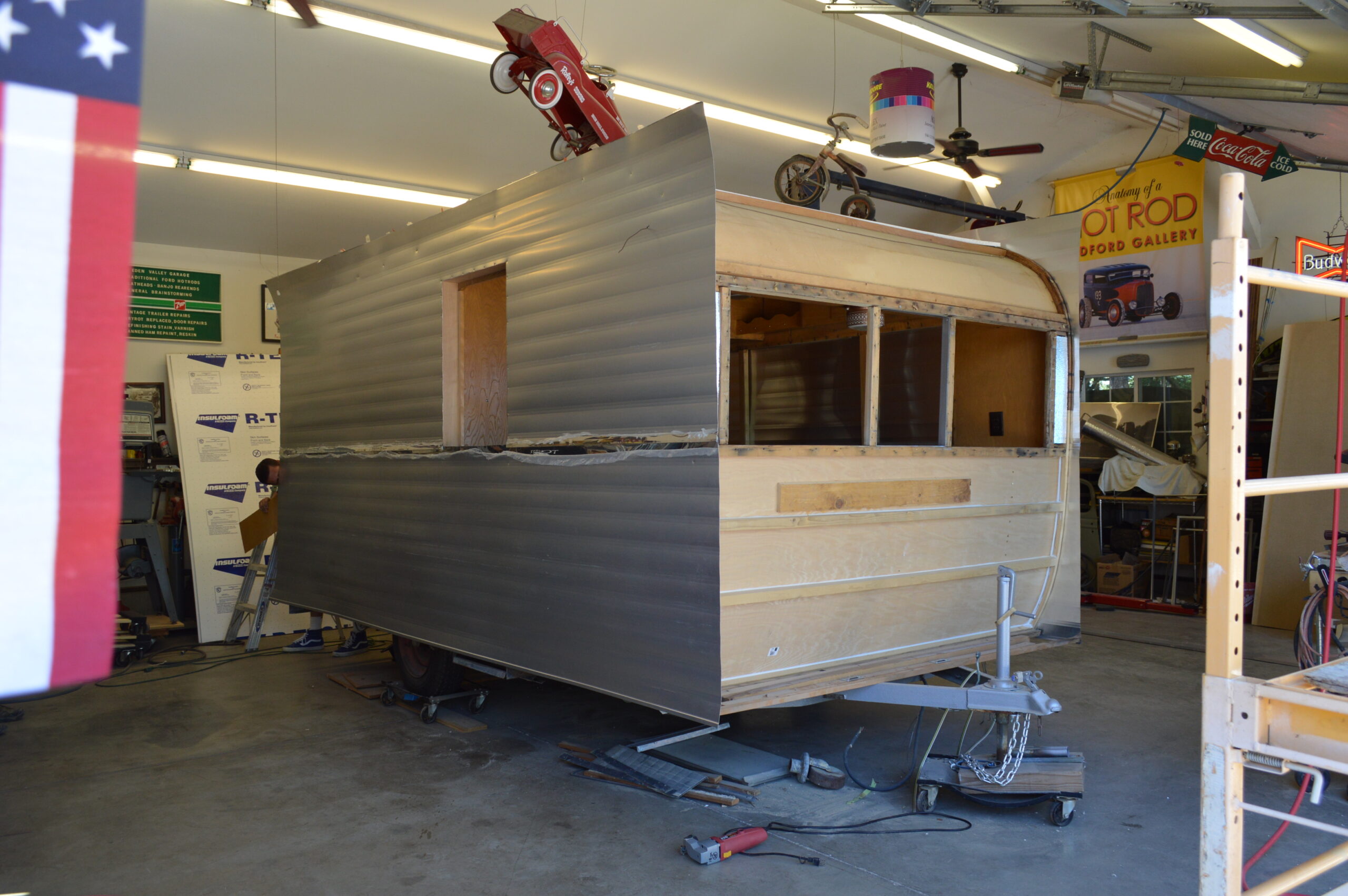
Restoring a vintage trailer—rather than purchasing one that’s already finished—gives you the freedom to choose finishes and amenities that match your personal style. The largest and most visually impactful surface is the exterior siding, which is predominantly aluminum. Fortunately, there are several proven approaches to restoring or upgrading it.
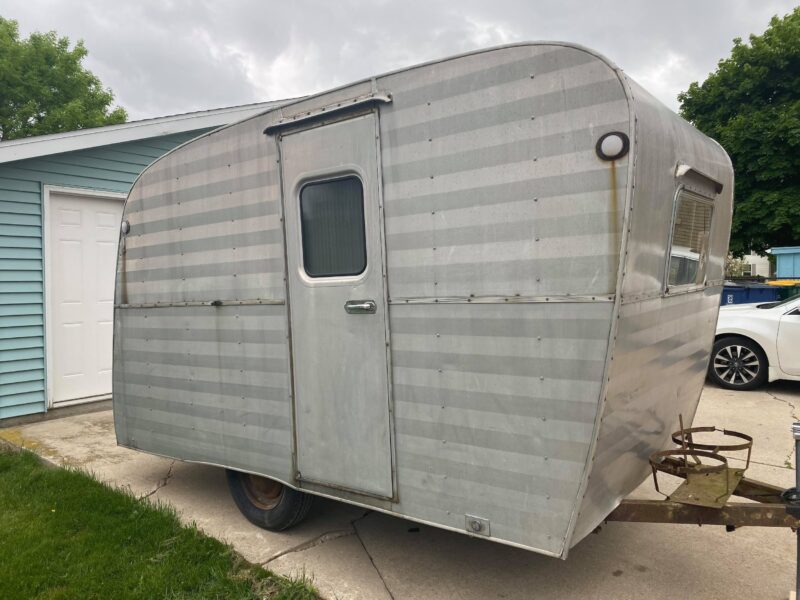
1. Original Patina
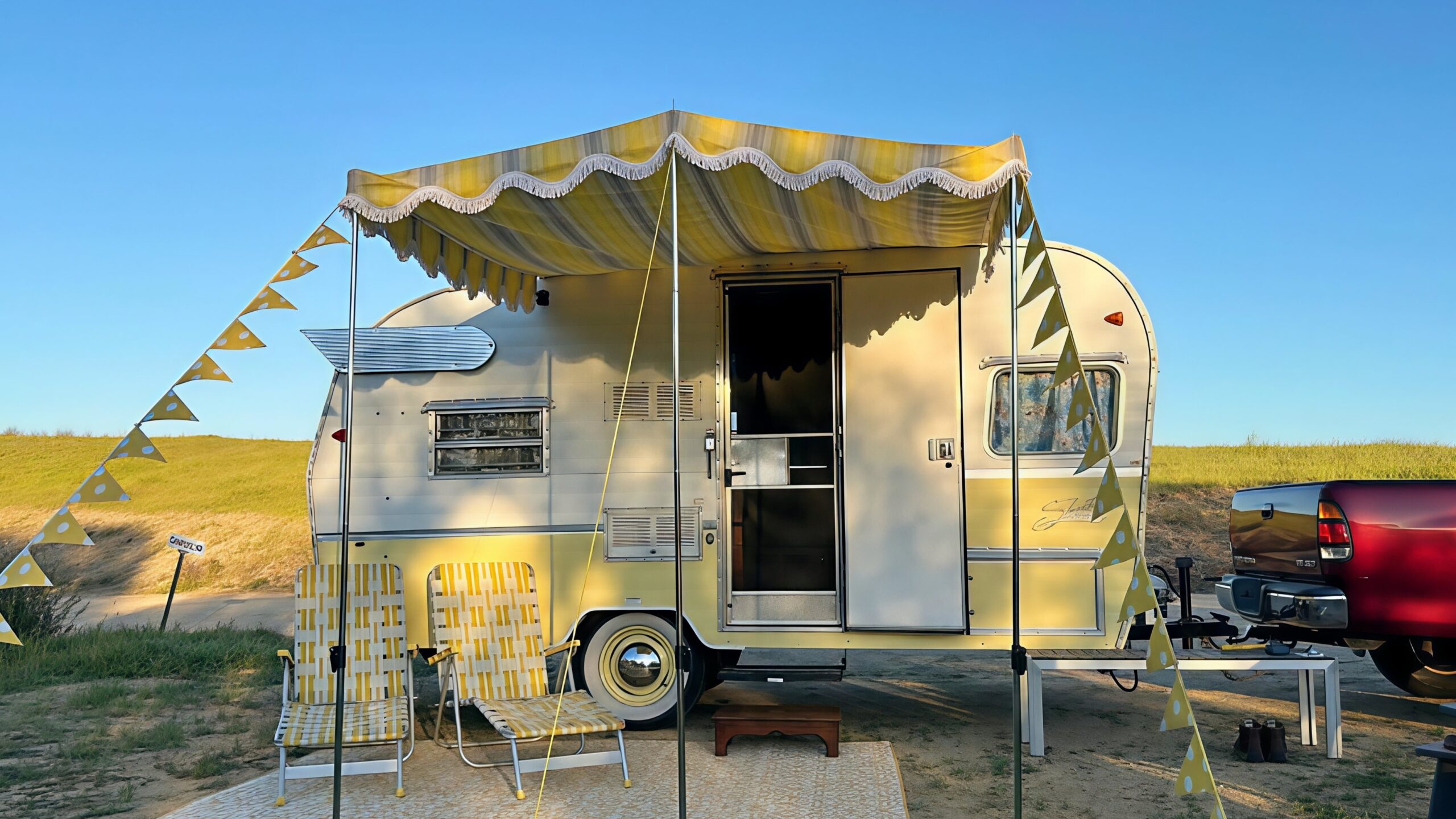
If the original paint is intact, sometimes the best decision is to leave it alone. Preserving original patina can highlight a trailer’s authentic character, and in many cases, less truly is more. Don’t be discouraged if your budget—or your taste—leans toward embracing the trailer’s natural, time-earned beauty.
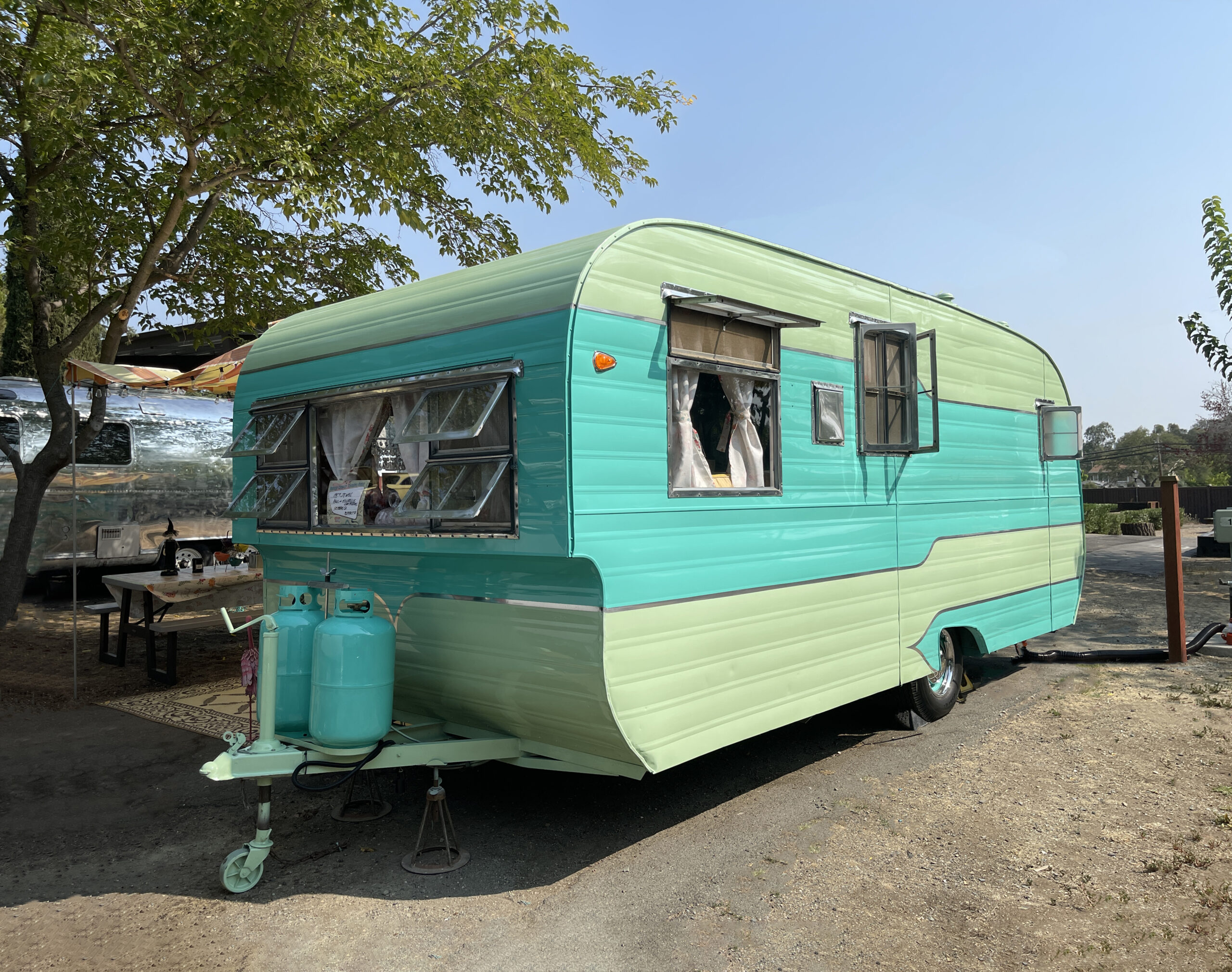
2. Paint
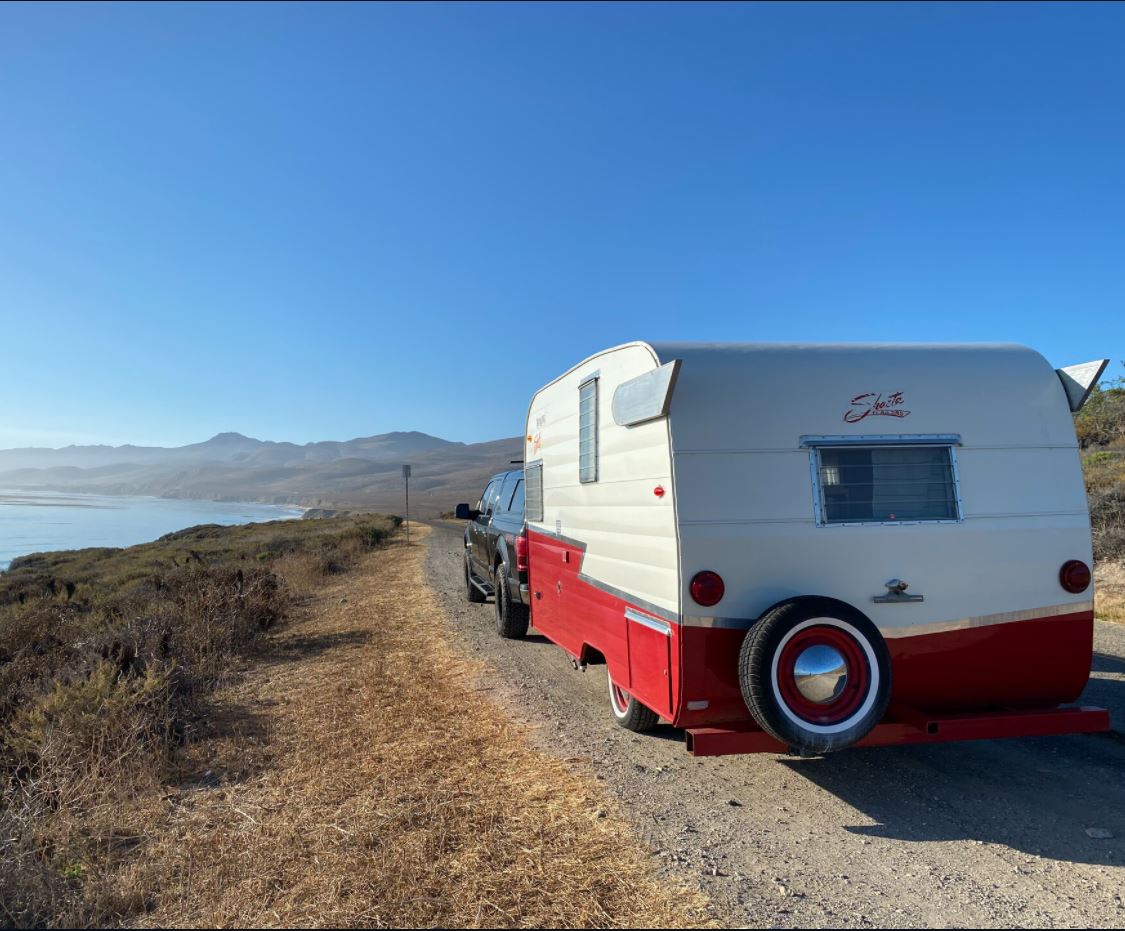
Painting is a popular option and offers nearly endless possibilities. Exterior house paint, industrial metal coatings, and high-quality automotive paints have all been successfully used on vintage trailers. Because the options are so broad, painting alone could warrant its own article.
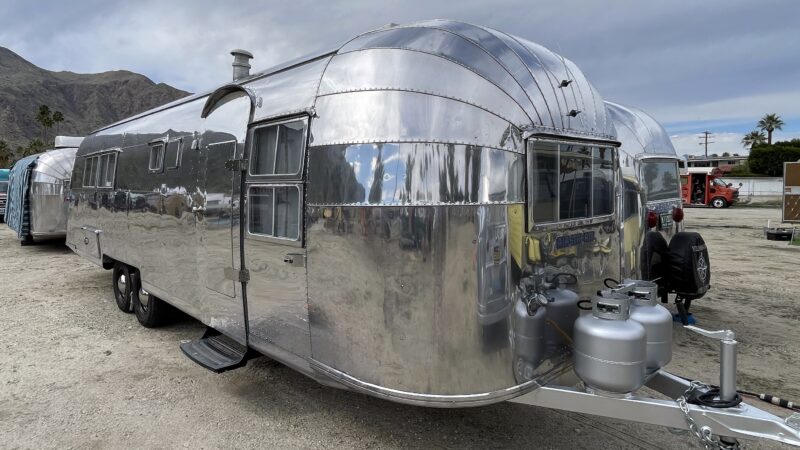
3. Polishing
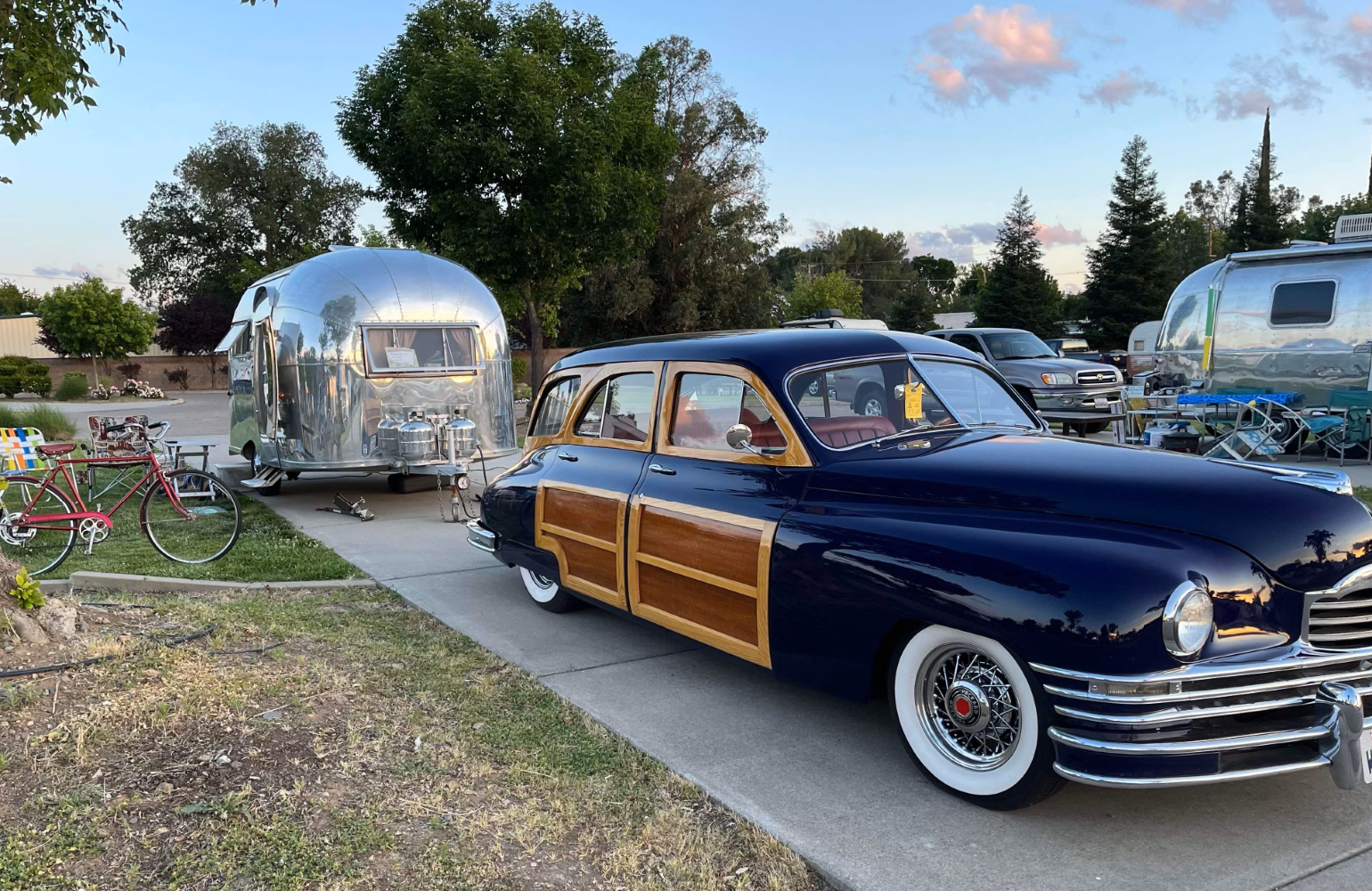
There’s no denying it—shiny aluminum trailers turn heads. That mirror-like finish, however, comes at a cost. Polishing is extremely labor-intensive and requires the right tools, products, and practice. Hiring a professional typically costs $150+ per foot, and polished aluminum requires ongoing maintenance to keep it looking its best.
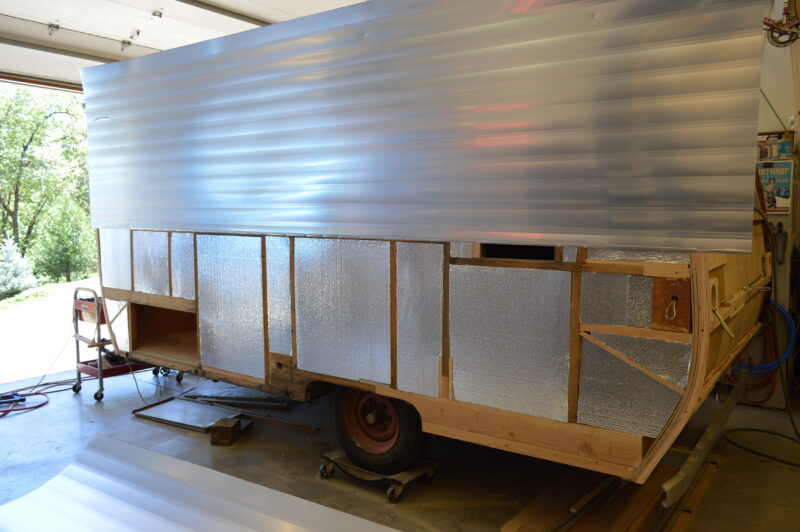
4. Replacing the Siding
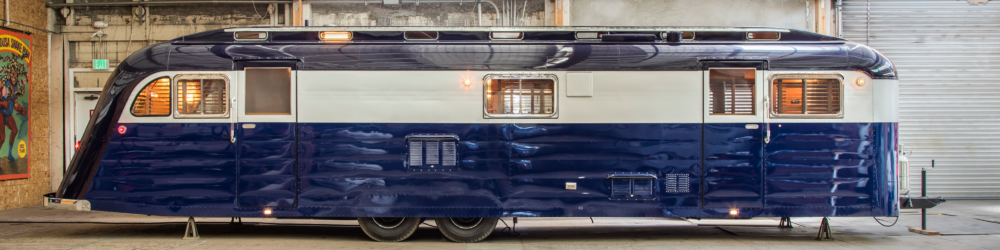
Damaged siding may need to be replaced, but re-skinning can also be a deliberate design choice to complete the curb appeal of a restoration. New aluminum siding is available in a variety of patterns and custom lengths, and can be ordered painted or polished to achieve the look you want.
(Source: Hemet Valley RV – www.hemetvalleyrv.net)
Removing the Skins: Less Intimidating Than It Looks
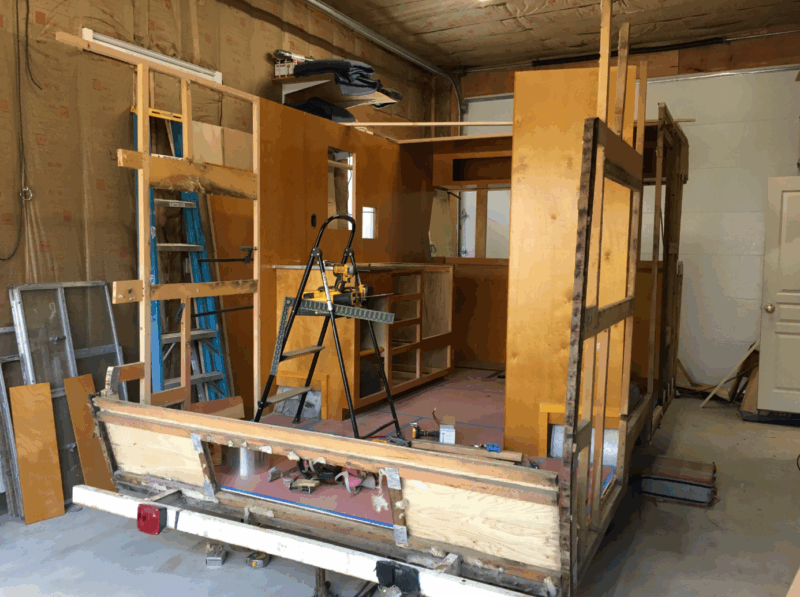
Restoring a vintage trailer yourself often presents tasks that seem overwhelming at first. Taking apart your first trailer can be intimidating—until you realize how straightforward the construction of a typical “canned ham” really is.
Common reasons for removing the aluminum skins include dented siding, water damage, wood rot, or compromised framing. Once the skins are removed, you can clearly assess and repair the structural framework. After those repairs are complete, the big decision remains: reinstall the original siding or replace it with new aluminum?
If you plan to reuse the original siding, all window and fixture placements must align exactly with their original locations. Aluminum is unforgiving—it will bubble or wrinkle if forced into a shape it doesn’t want to follow. In many cases, replacing a damaged panel is easier than attempting to repair dents. Aluminum stretches when hammered, making bodywork time-consuming and often less effective than simply installing a new panel.
The Case for New Aluminum Siding
Replacing all of the aluminum siding can solve many long-term issues. Years of wear take their toll on soft aluminum, and new skins can restore both appearance and structural integrity. Pre-painted aluminum is highly durable, while pre-polished material saves countless hours of labor and delivers eye-catching results.
Hemet Valley RV can assist with measurements and fabrication details, and they ship nationwide via FedEx.