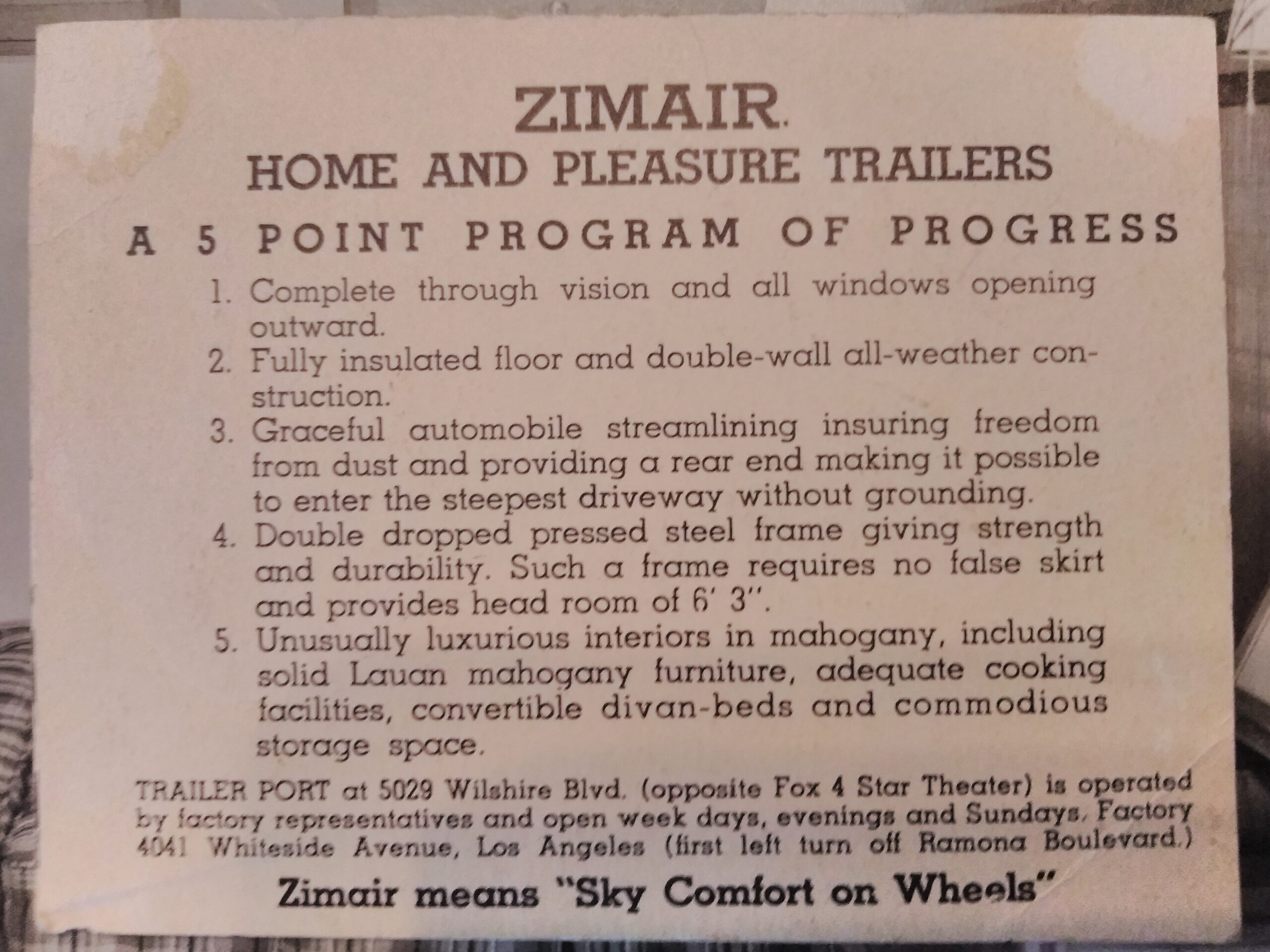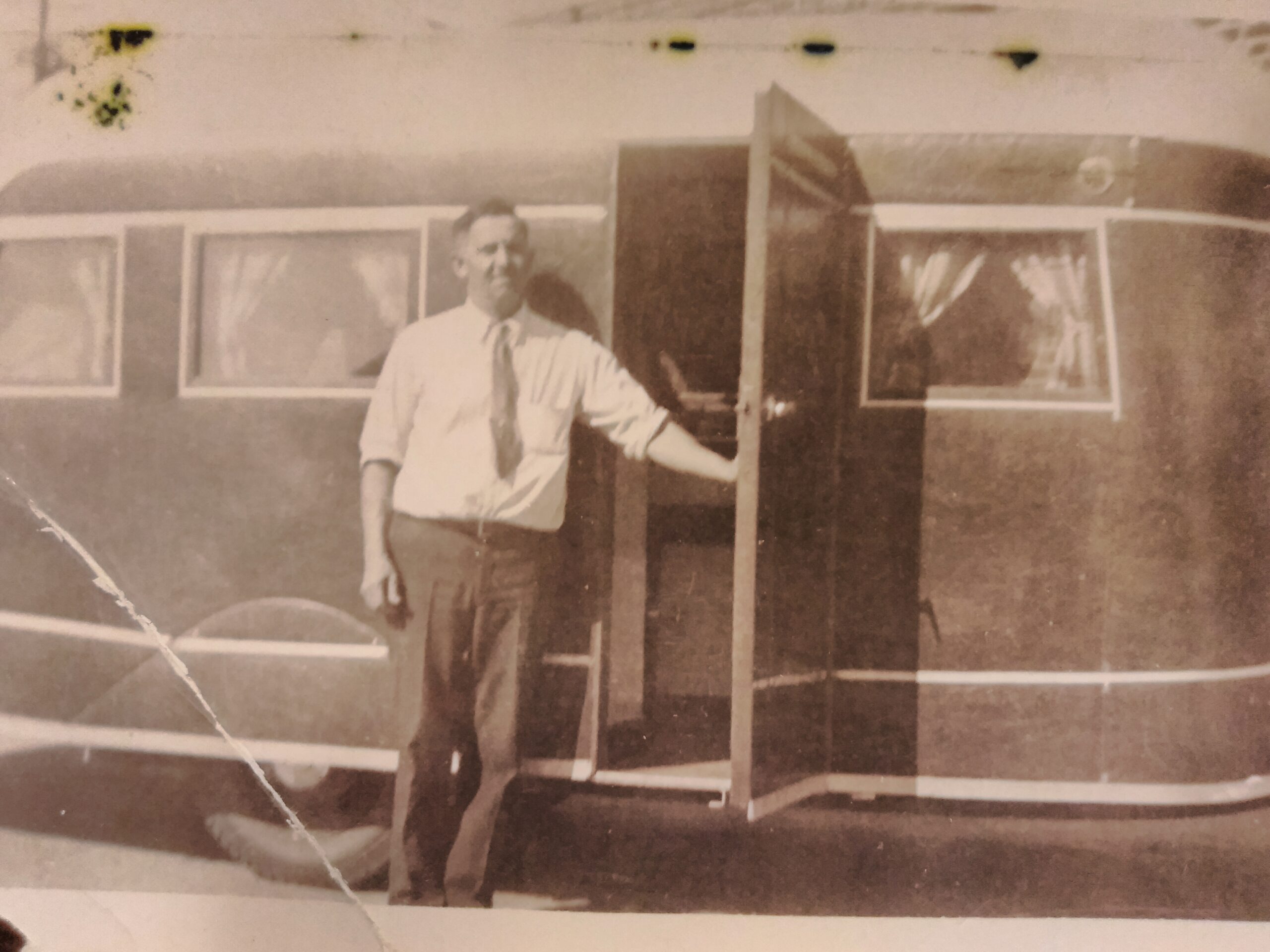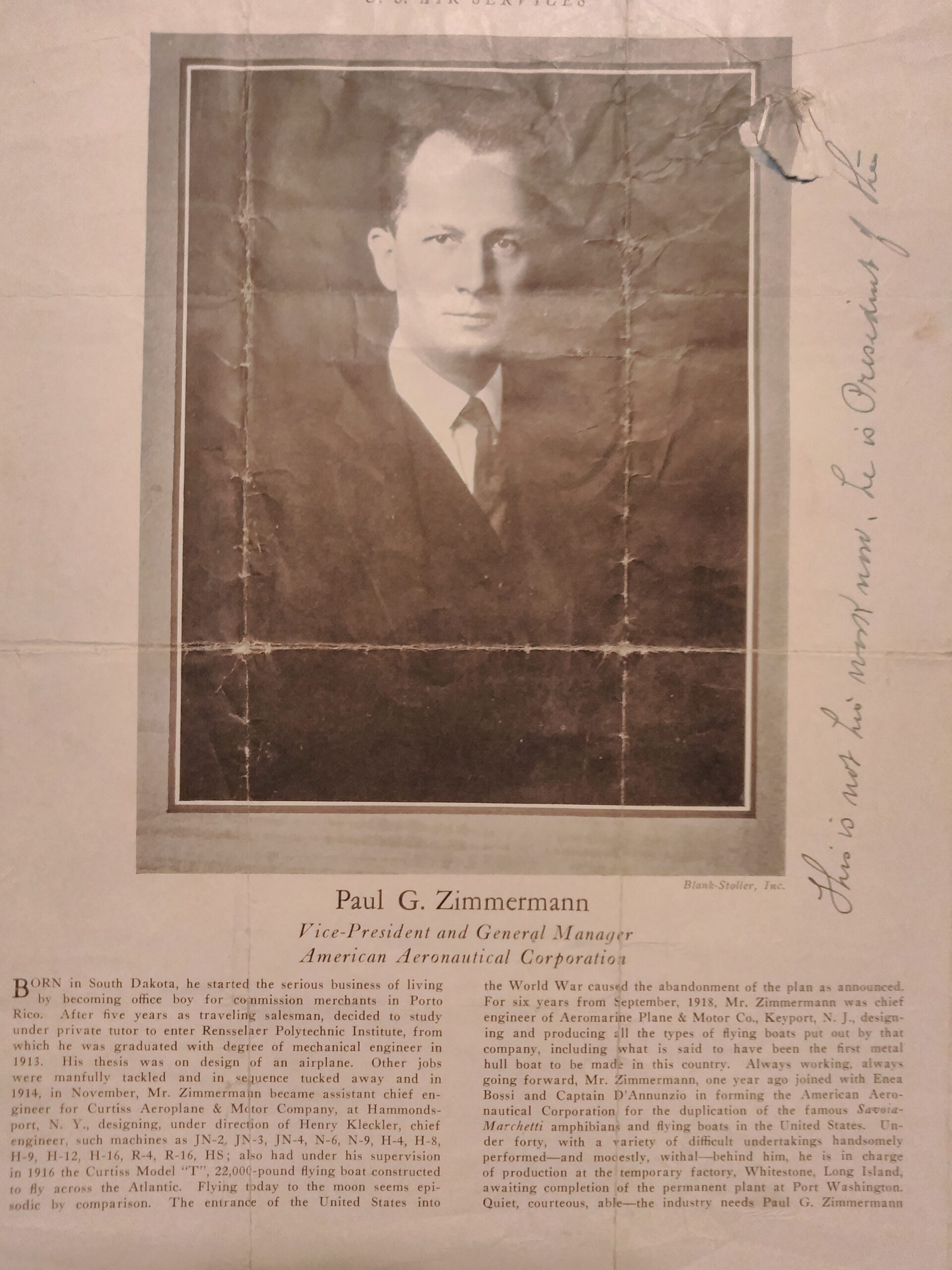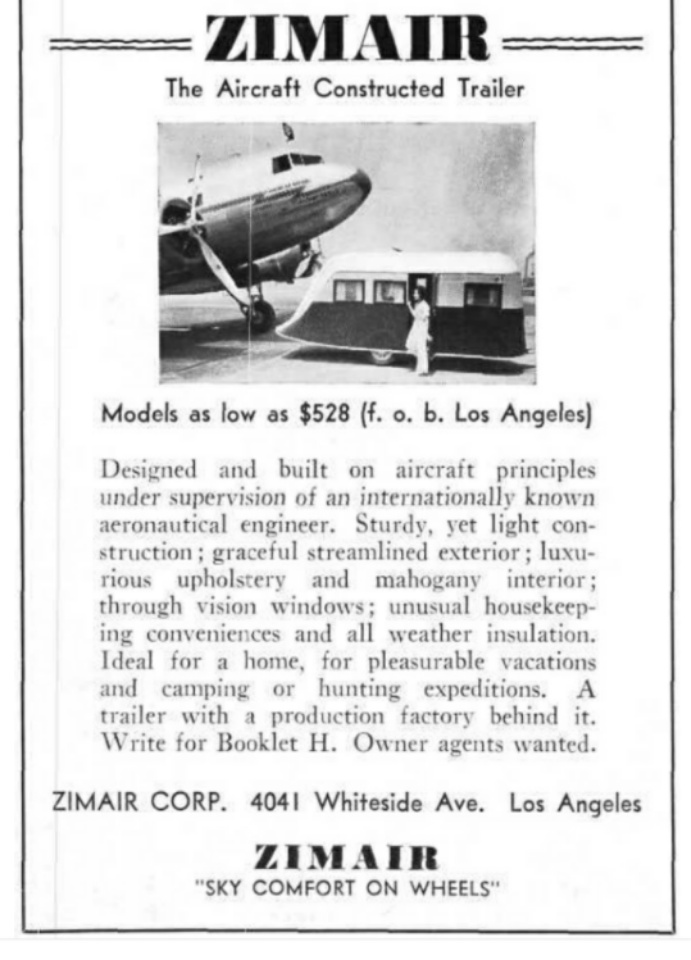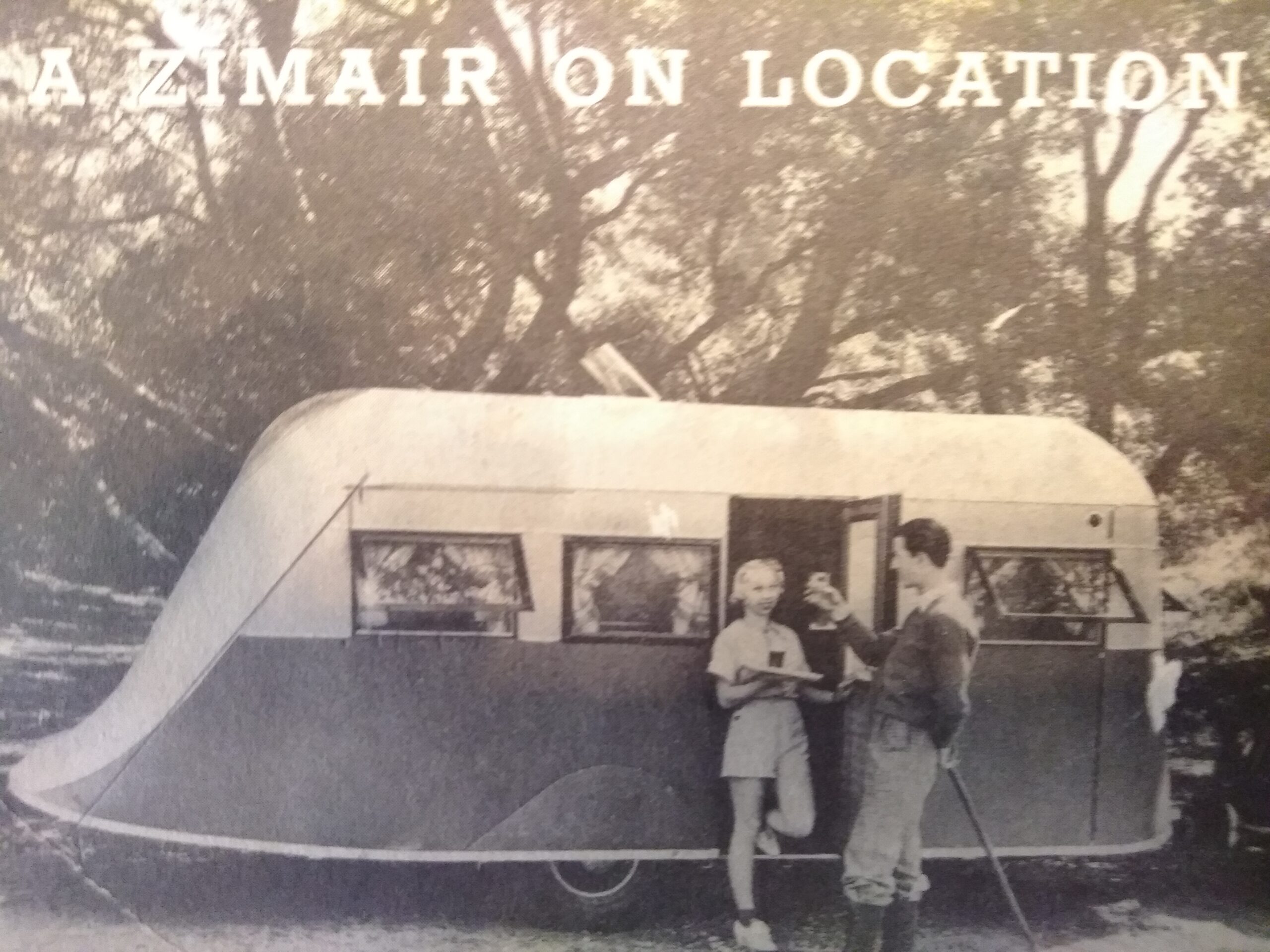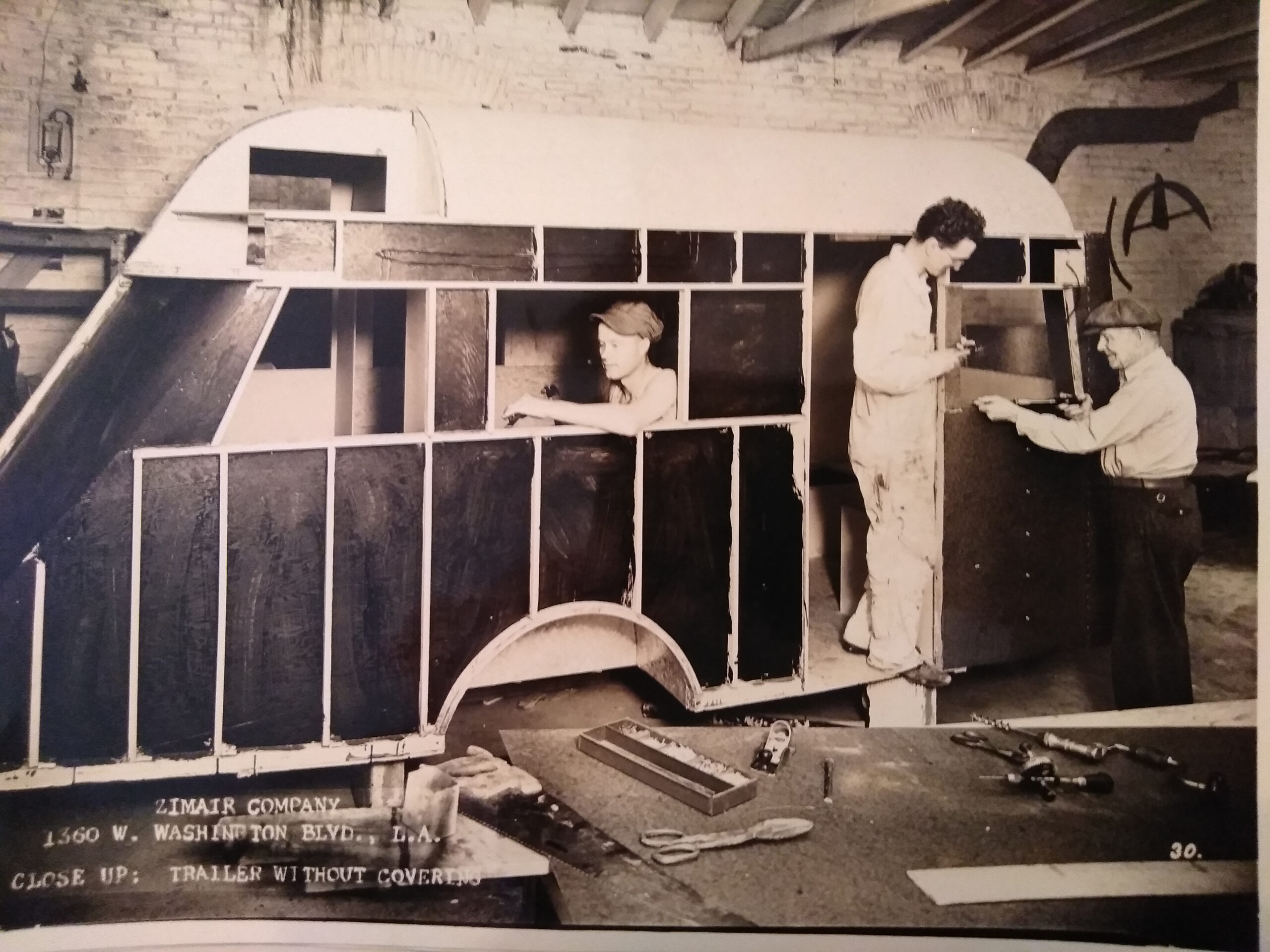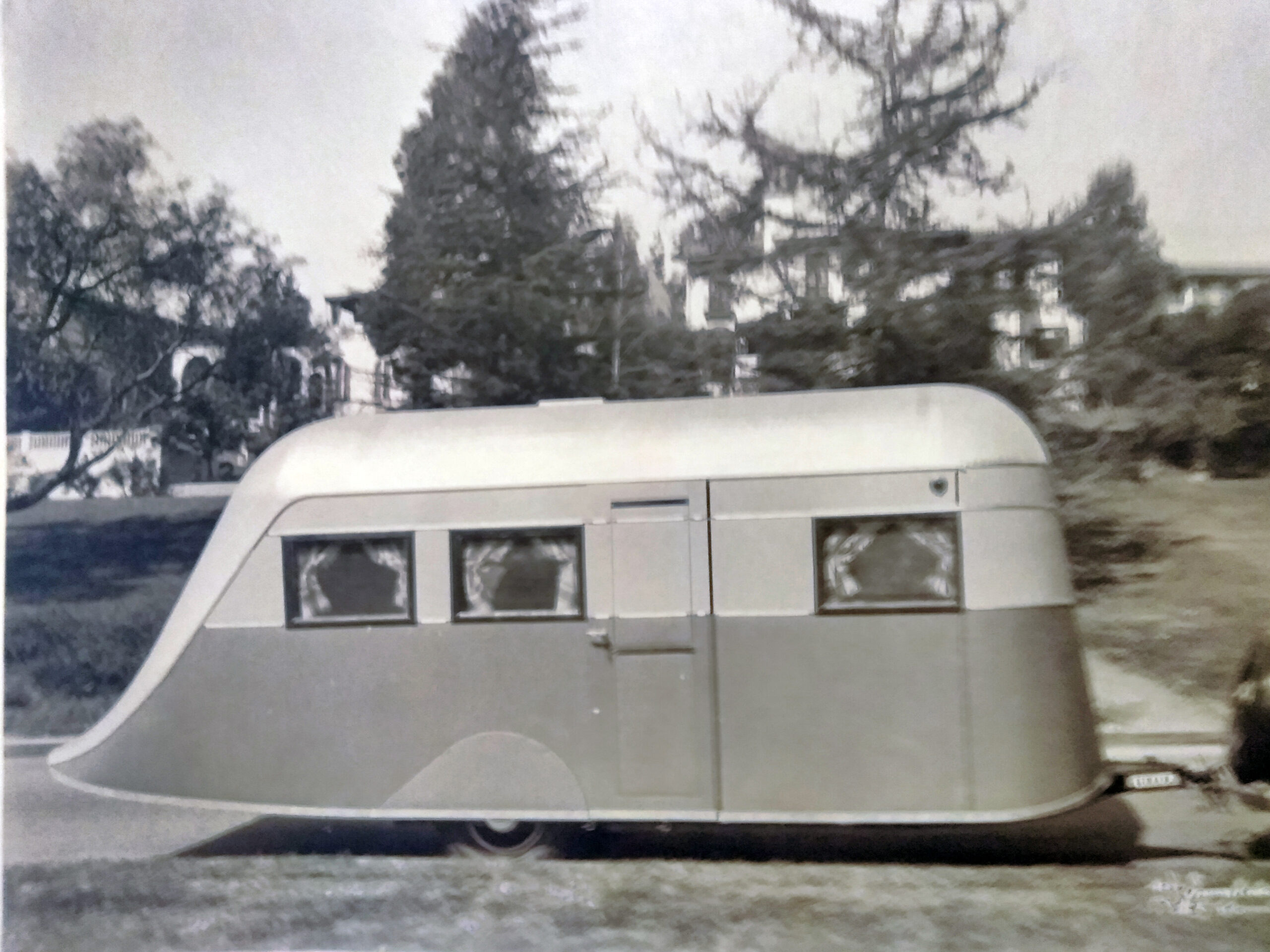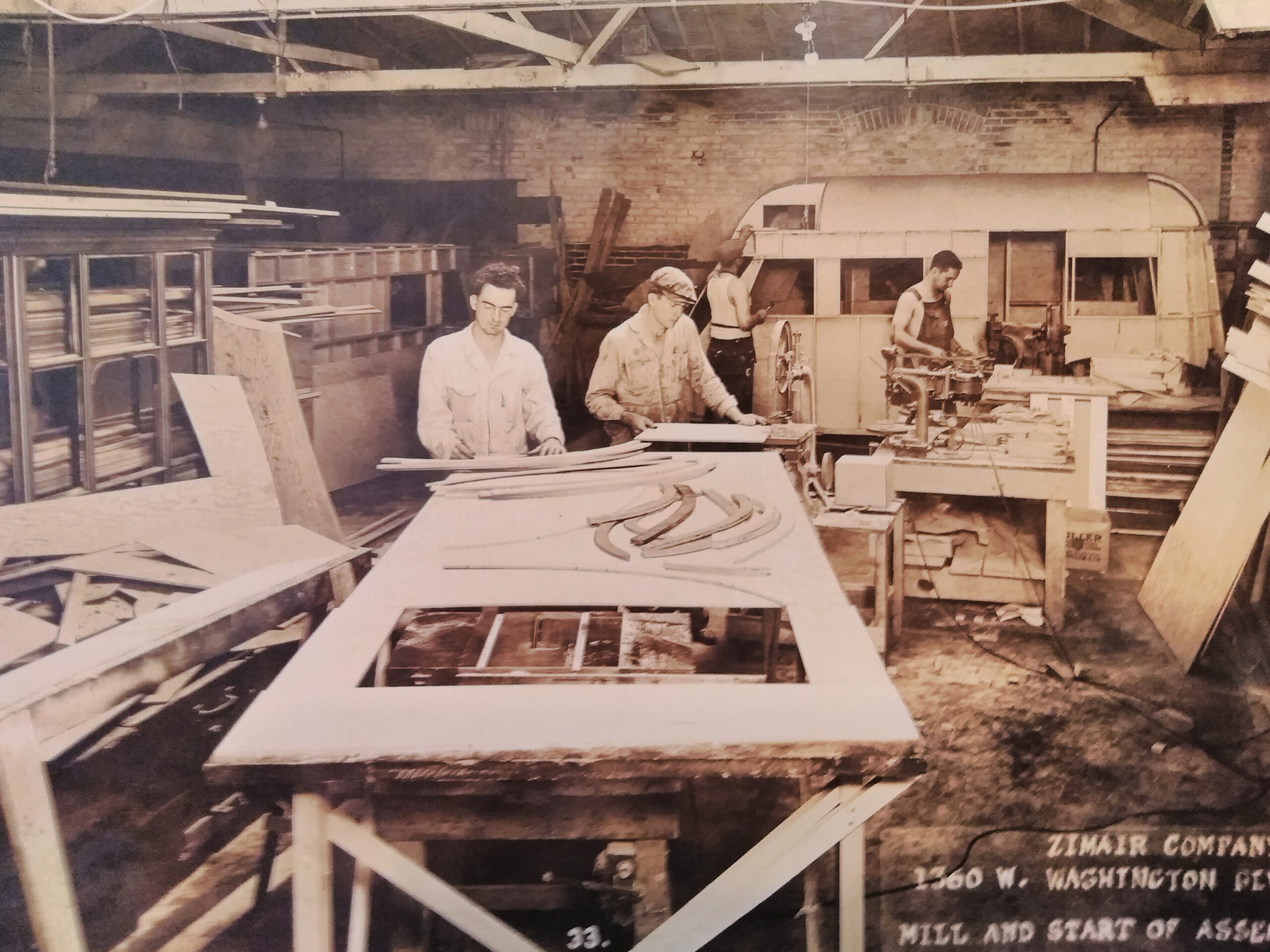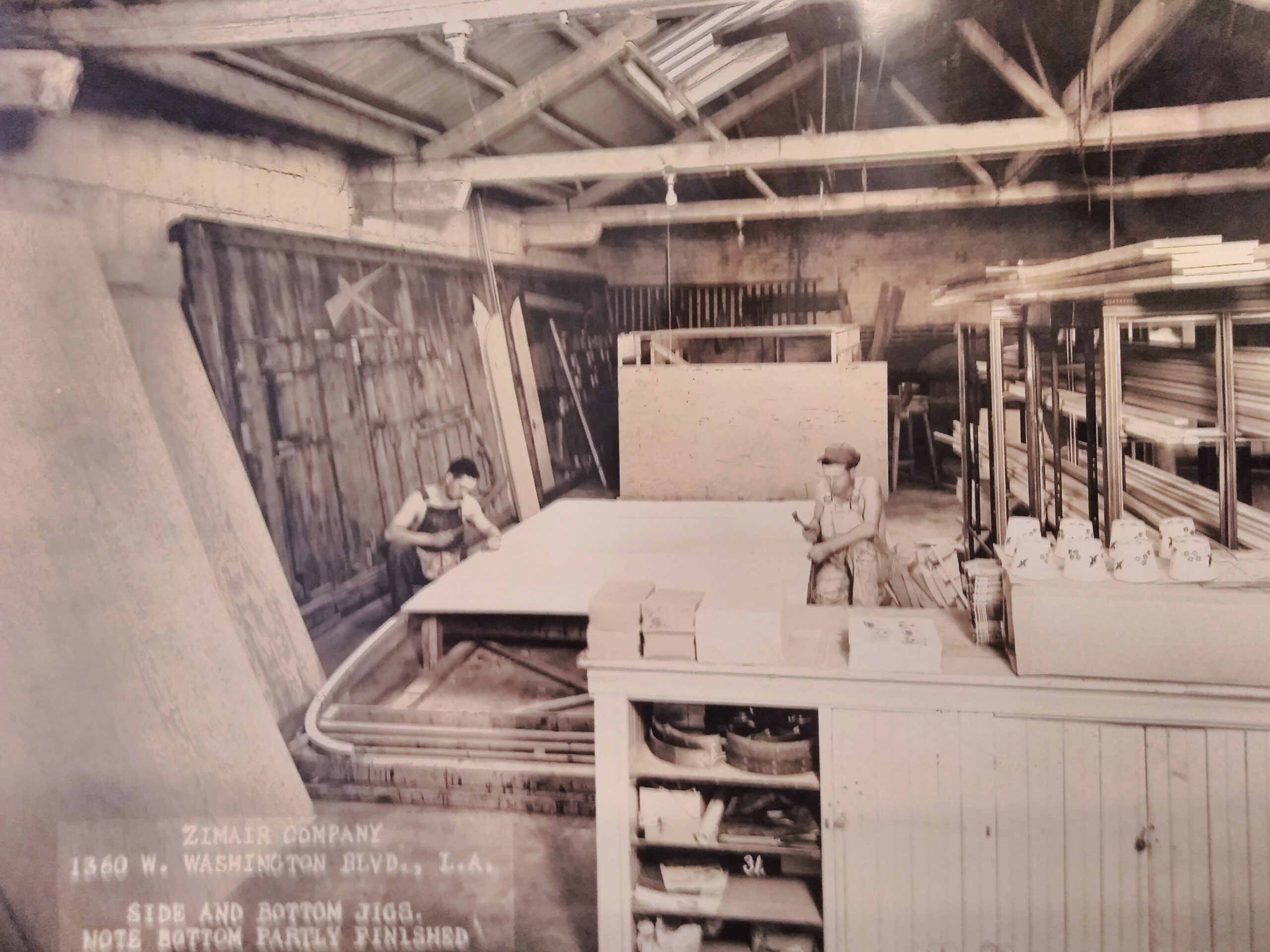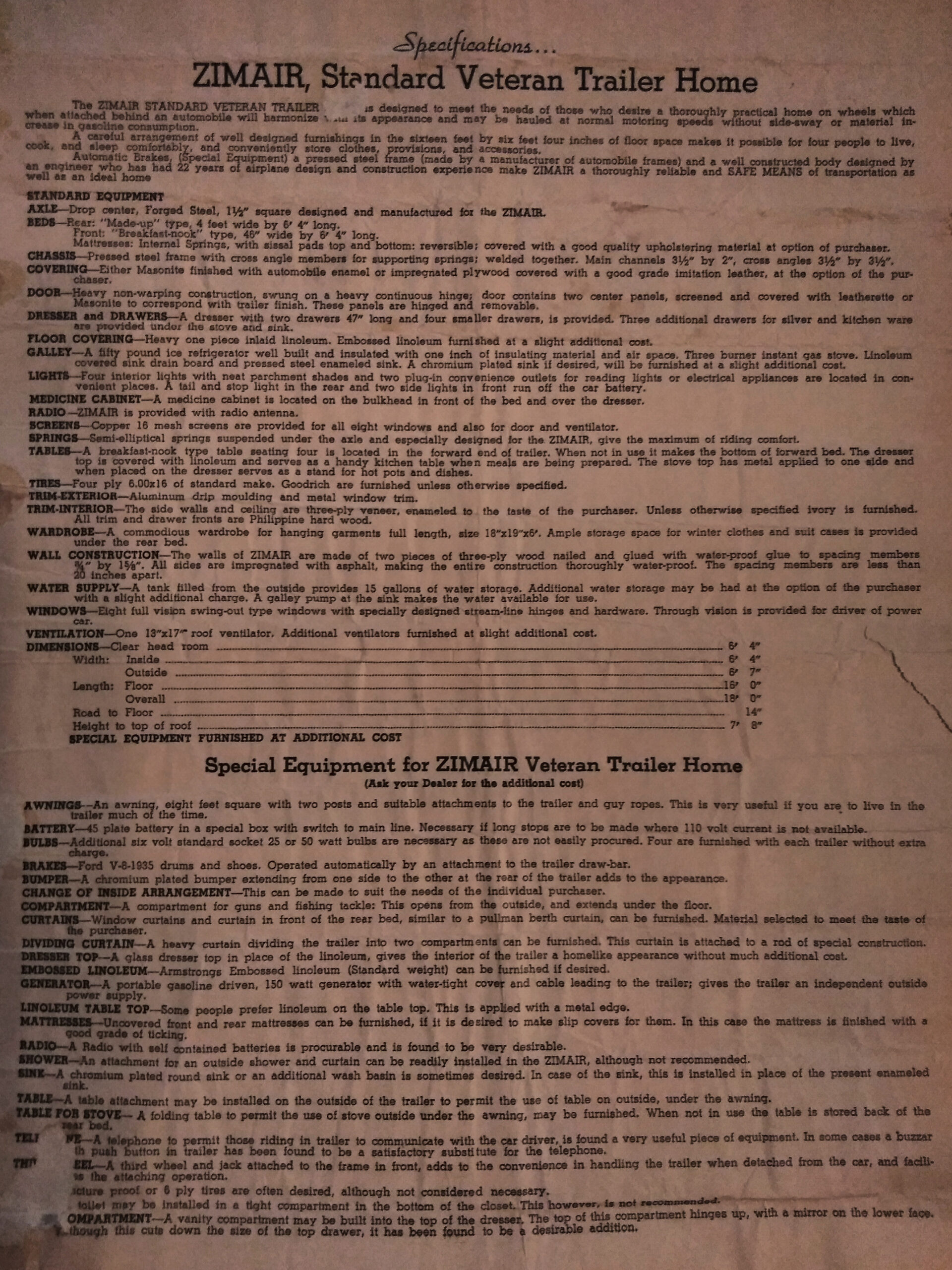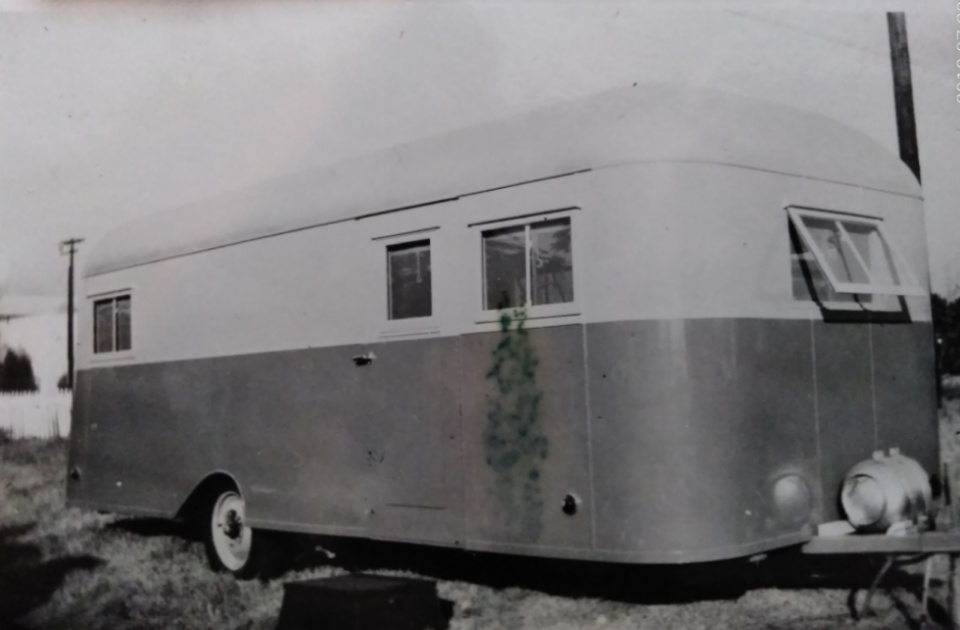

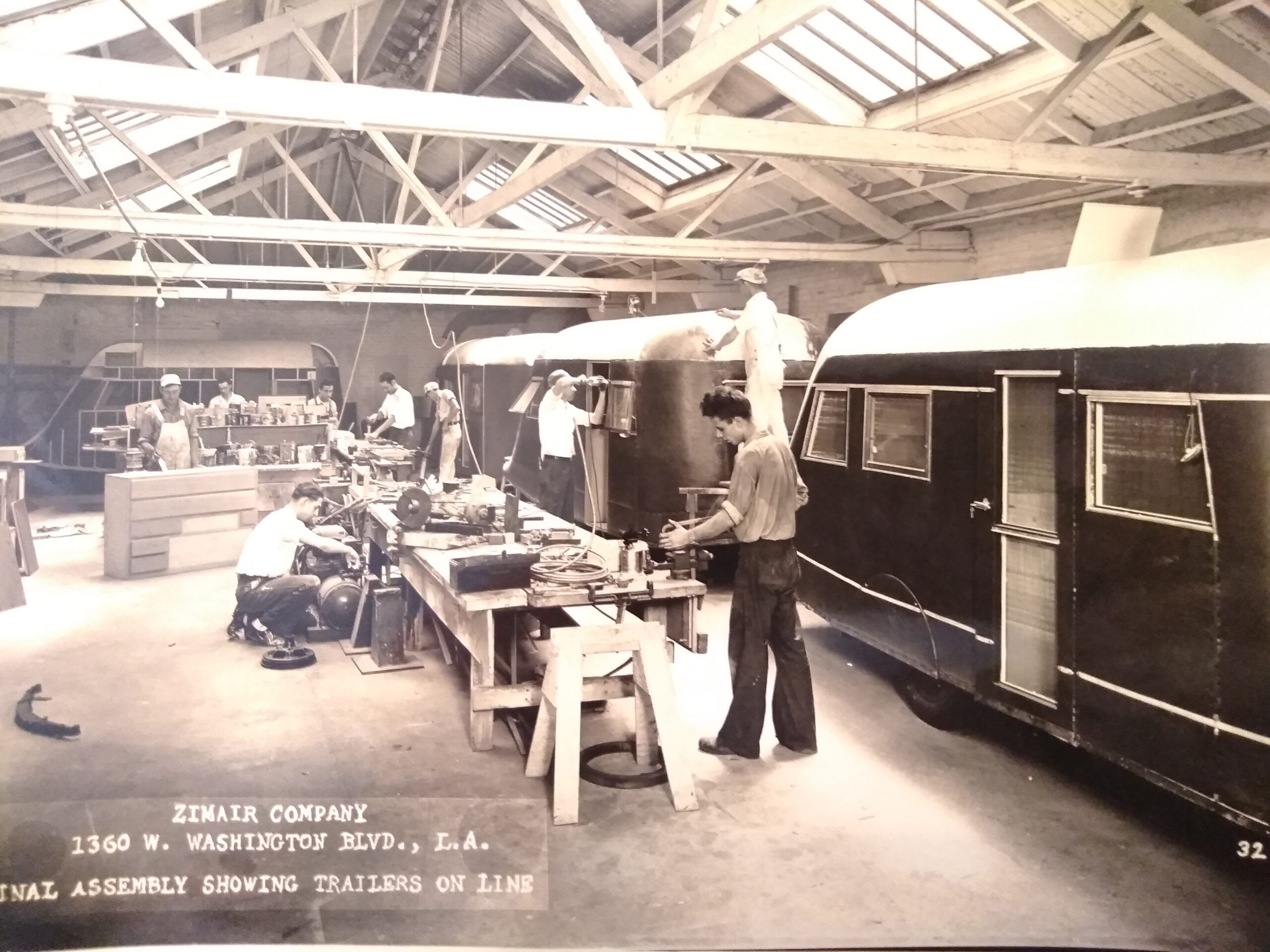
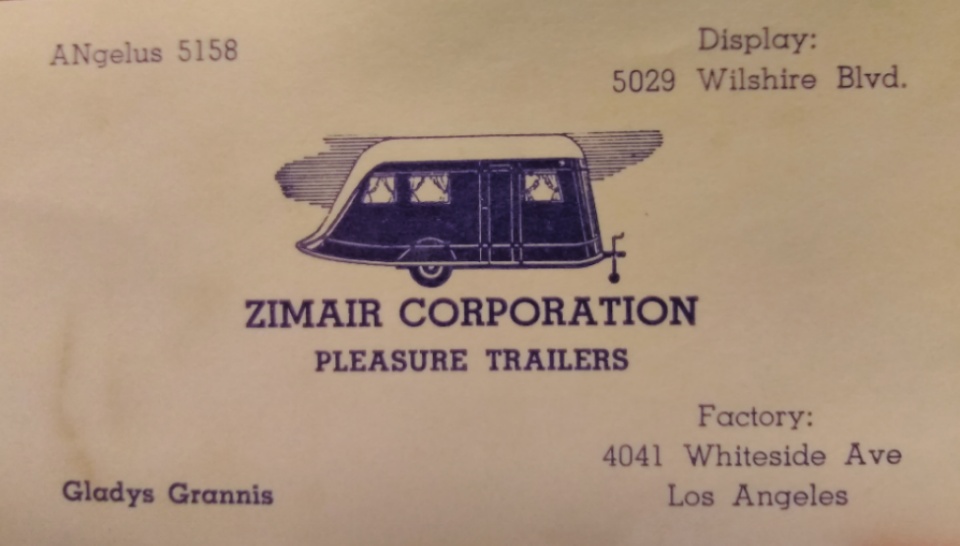
Before vintage trailers were collectibles, they were simply part of everyday life—and in some families, part of the family business. Zimair Trailers began around 1936 in Los Angeles, founded by my cousin Paul Zimmermann, an aeronautical engineer who went on to become vice president and later president of American Aeronautics Corporation. With aviation roots guiding the design and craftsmanship, Zimair reflected the same attention to detail and innovation found in aircraft construction.
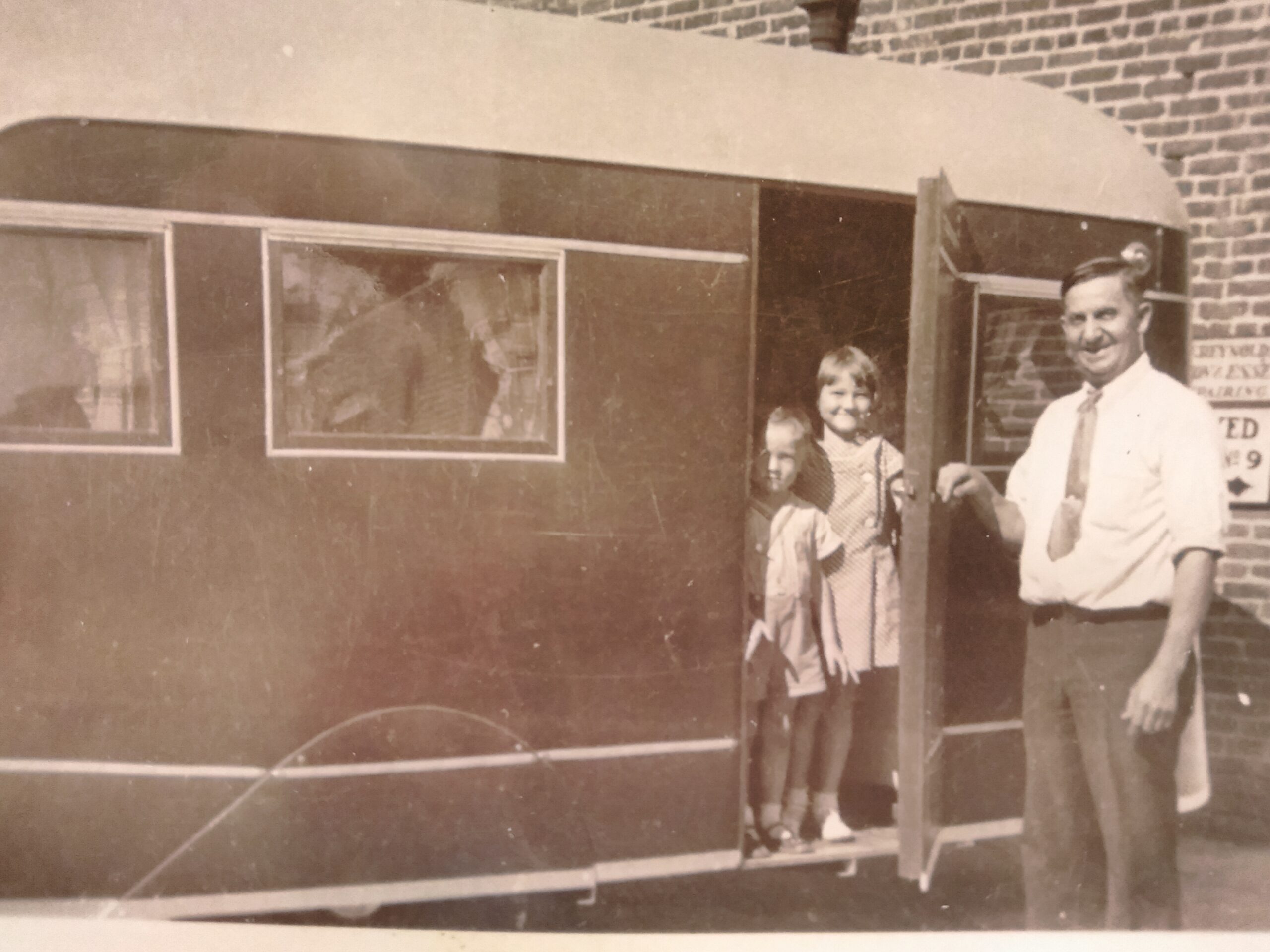
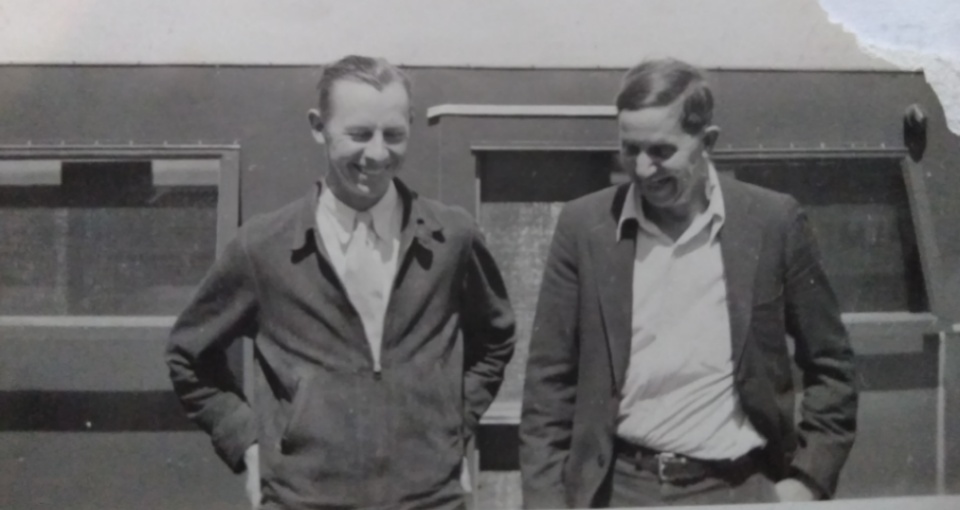
Like many early trailer companies, Zimair was very much a family operation. Paul employed cousins and brothers Ollie, Lee, and Frank Grannis, along with Frank’s son-in-law Guy Strickler. Wives, sisters-in-law, and other relatives all played roles in the business. Eventually, Paul shifted his focus, lost interest in trailers, and moved on to start Zimair Welded Wire Products in Fort Worth, Texas—a company that still operates today. Zimair trailers themselves closed in the early 1940s.
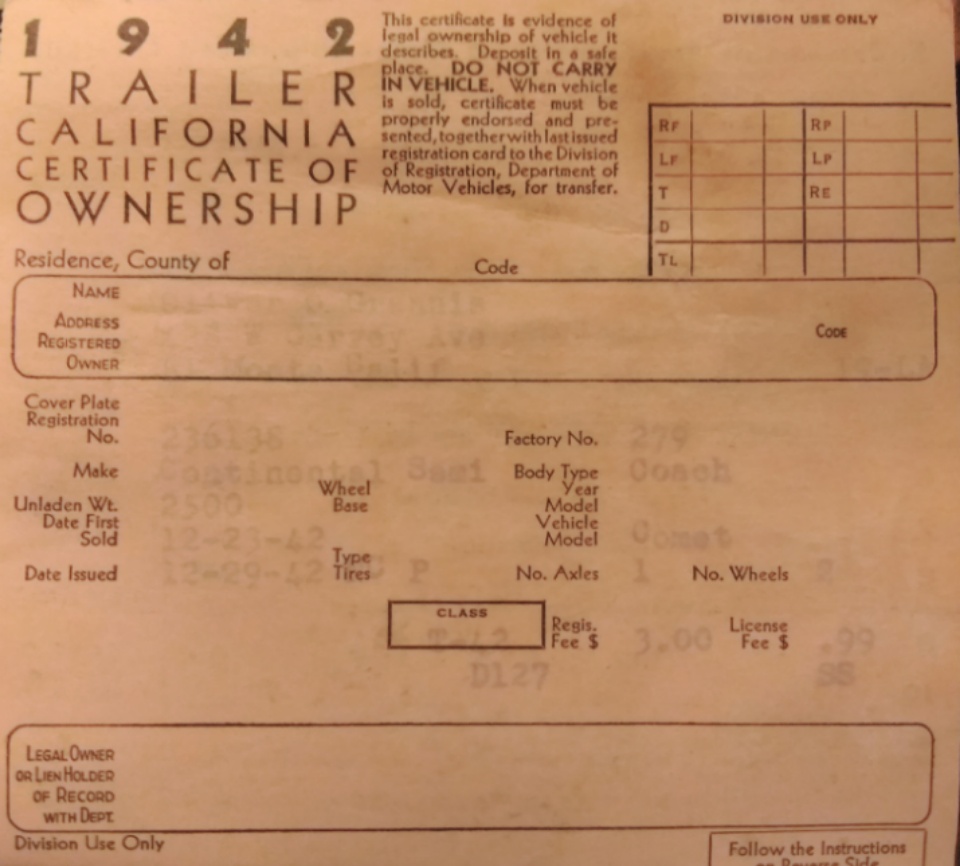
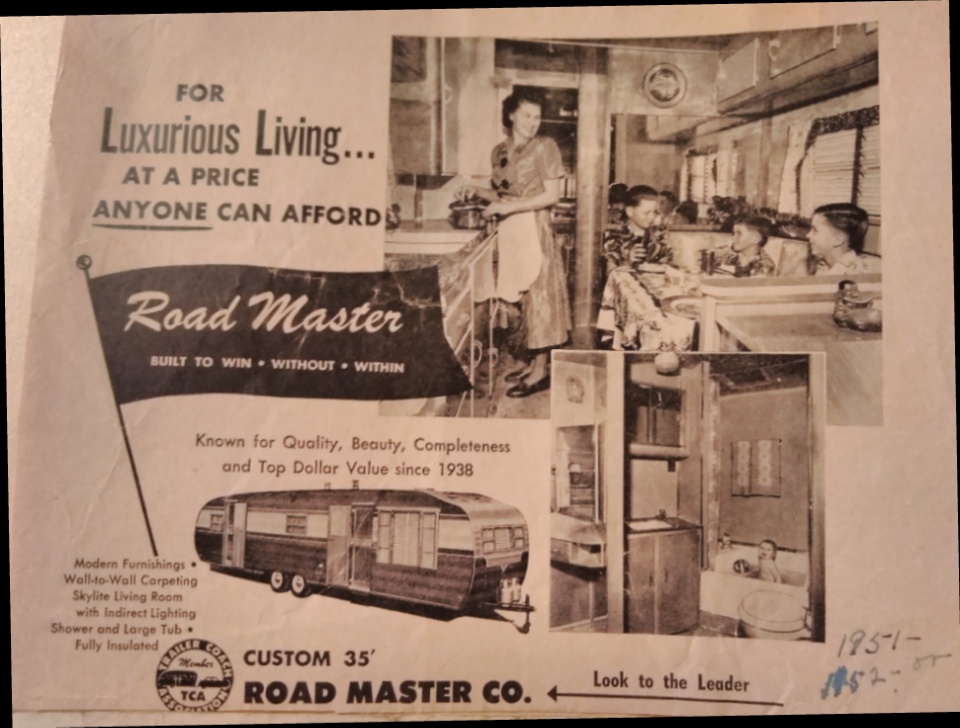
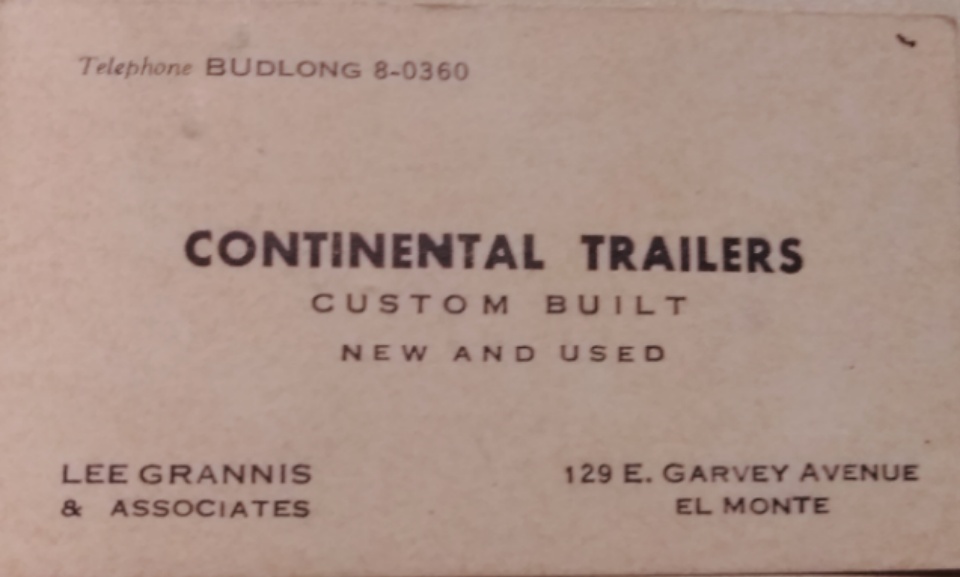
The story didn’t end there. Guy Strickler loved building trailers and launched Road Master Co. in El Monte, California, in 1938. One early advertisement famously featured his wife Dorothy in the kitchen and their three boys seated at the table—a perfect snapshot of the era. Meanwhile, my uncles Lee, the businessman, and Ollie, the craftsman, founded Continental Trailer Company in 1942 in Alhambra, California. One of their models was called the Comet.
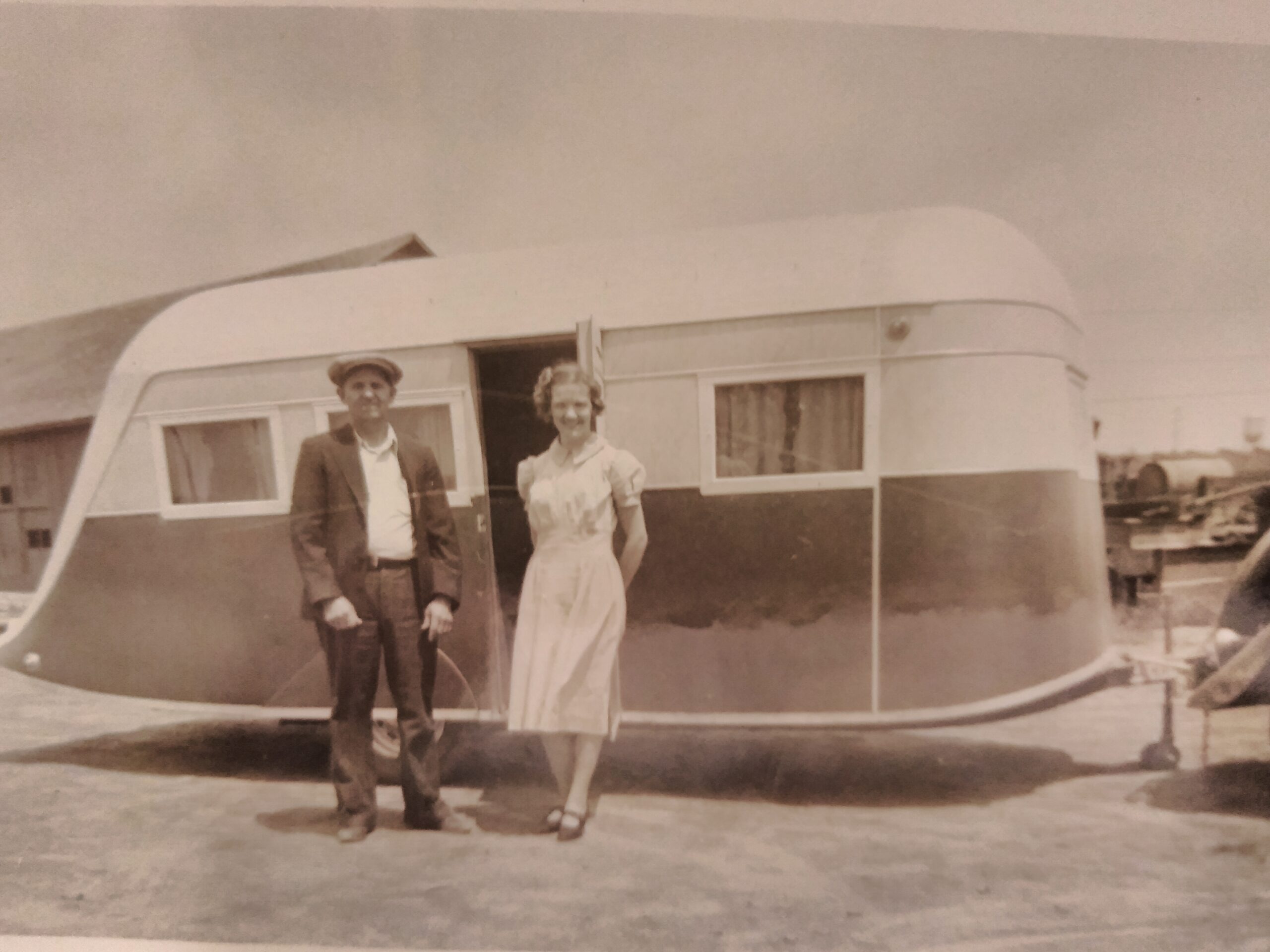
Trailers weren’t just built by the family—they were lived in. Ollie built two trailers for himself, placing one behind his house and another for his sister Eva, who also worked for Zimmermann. As kids, we spent many nights sleeping in those trailers. Uncle Lee bought a Zimair while working for the company and traveled all over the United States with his wife. My dad later acquired one of Ollie’s trailers and parked it beside our house, where it became my brother’s bedroom—and later mine when I came home on leave from the service.
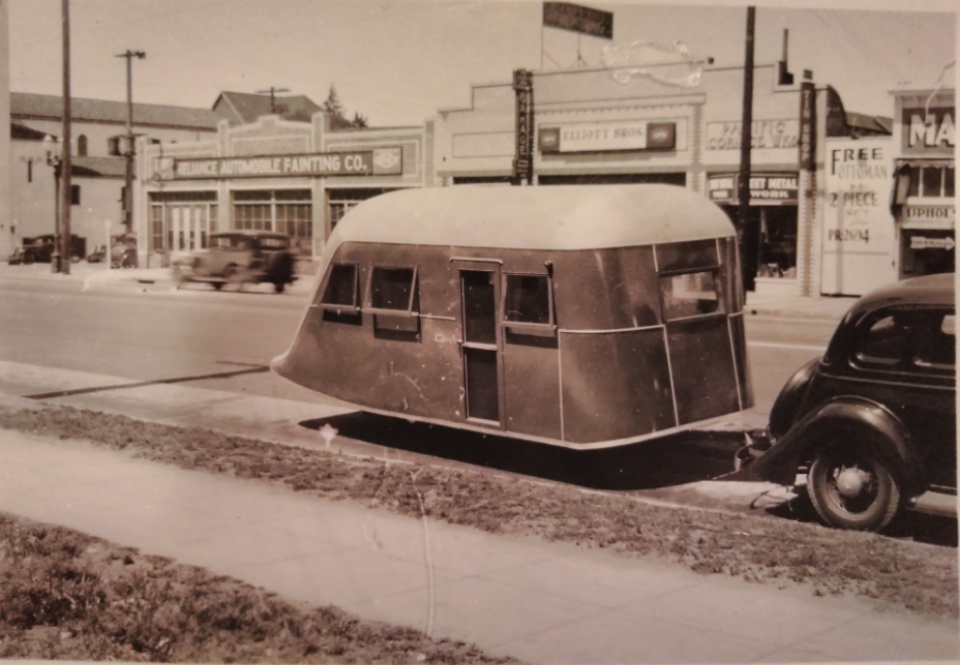
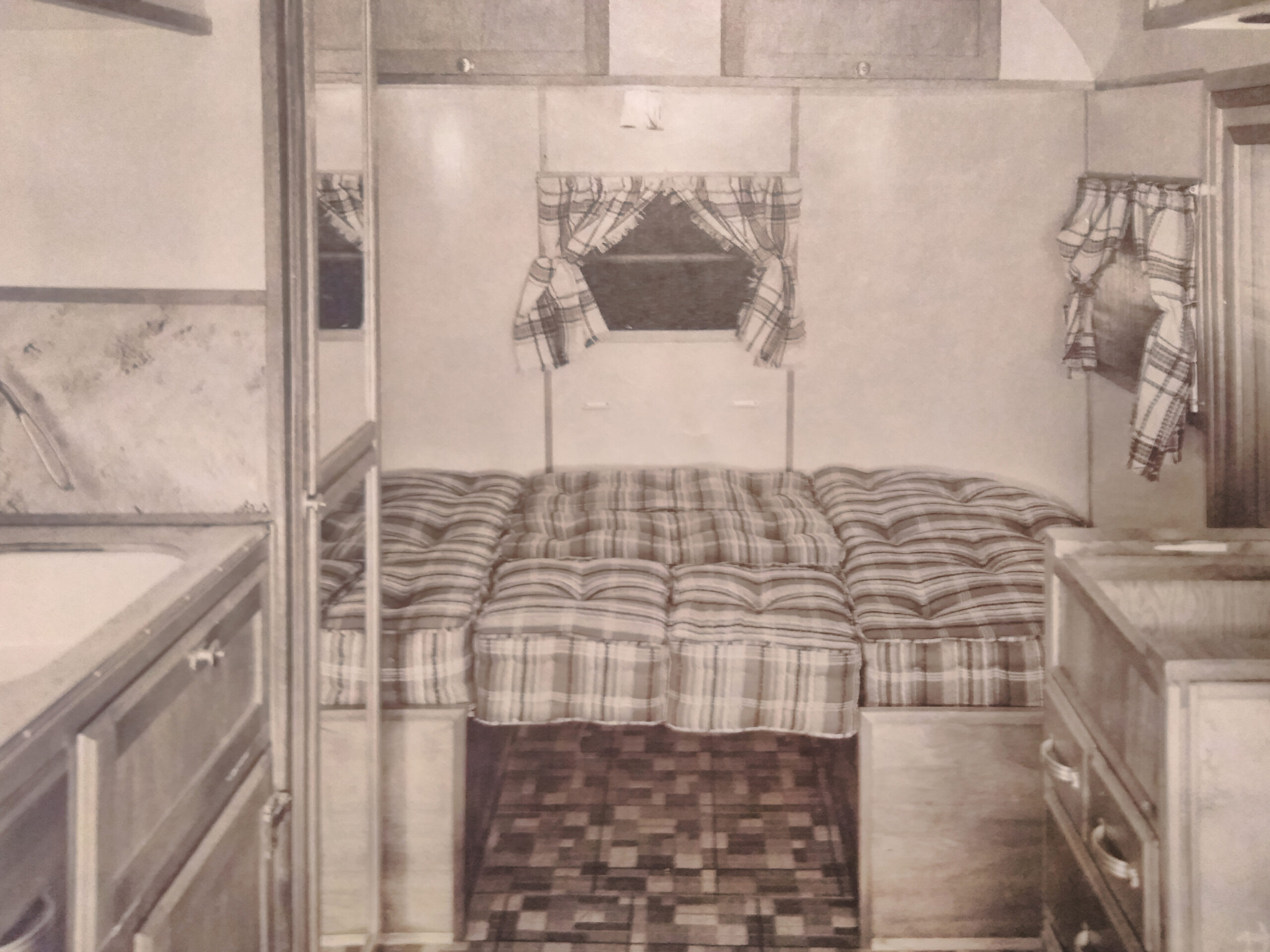
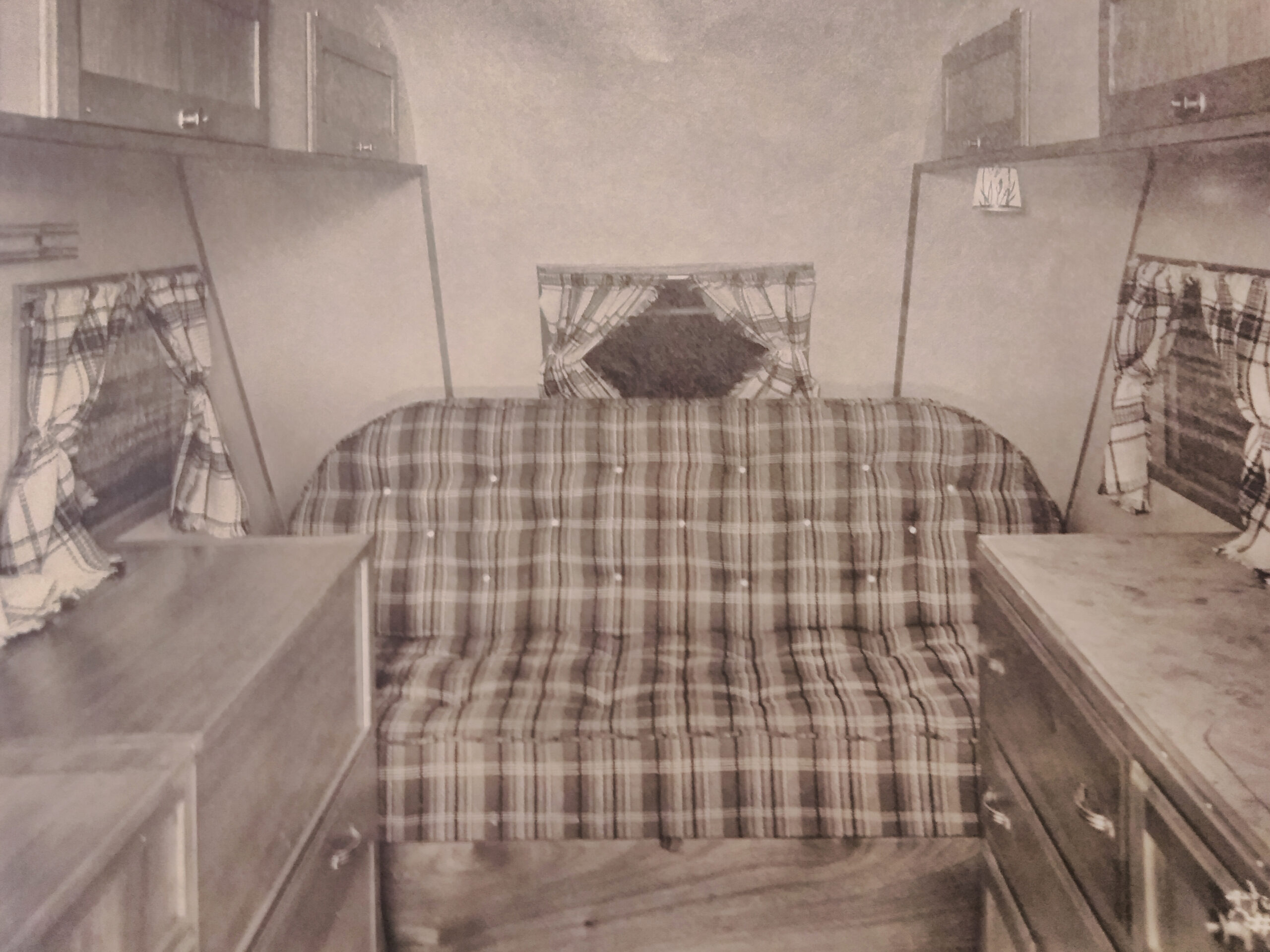
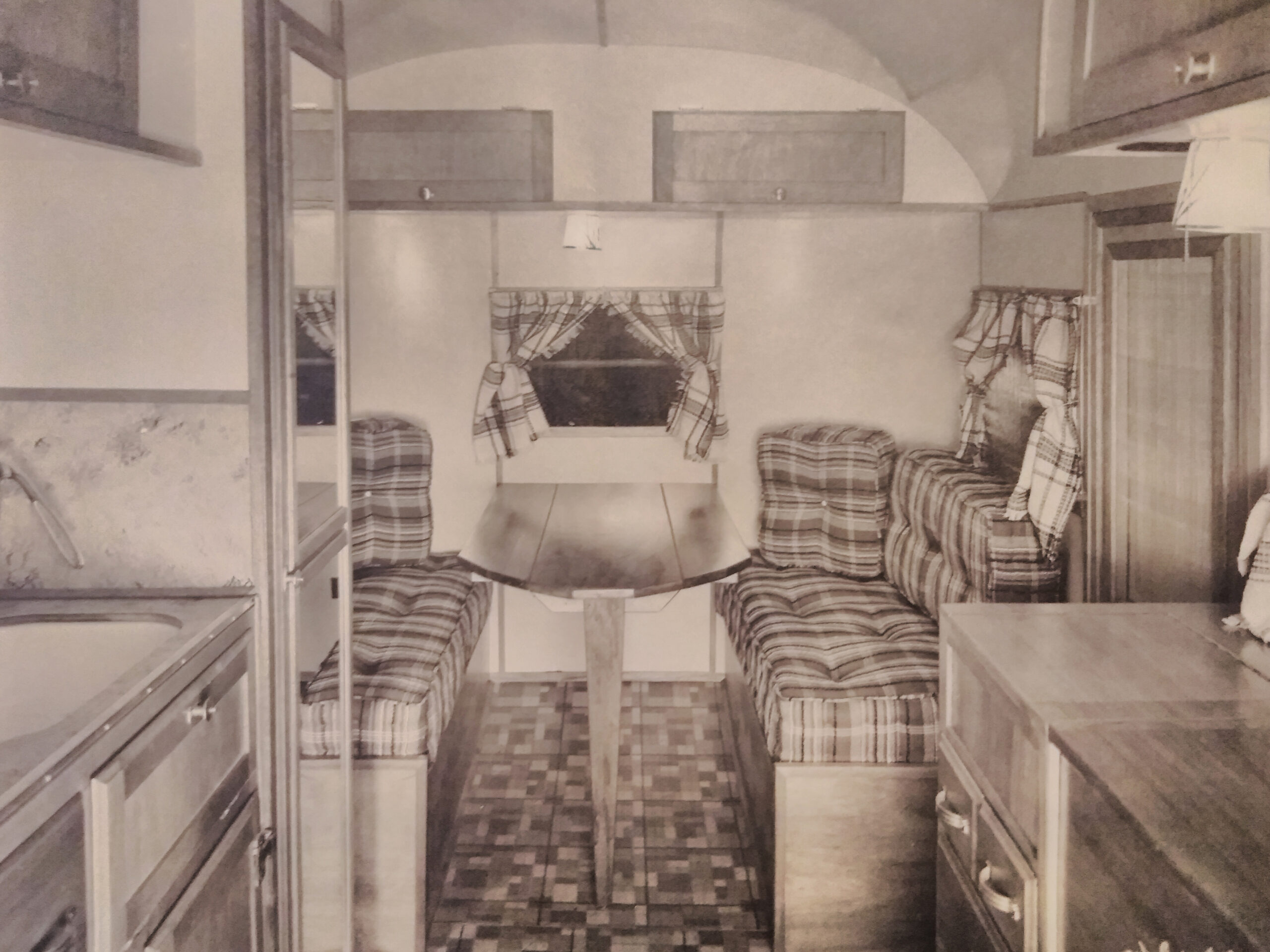
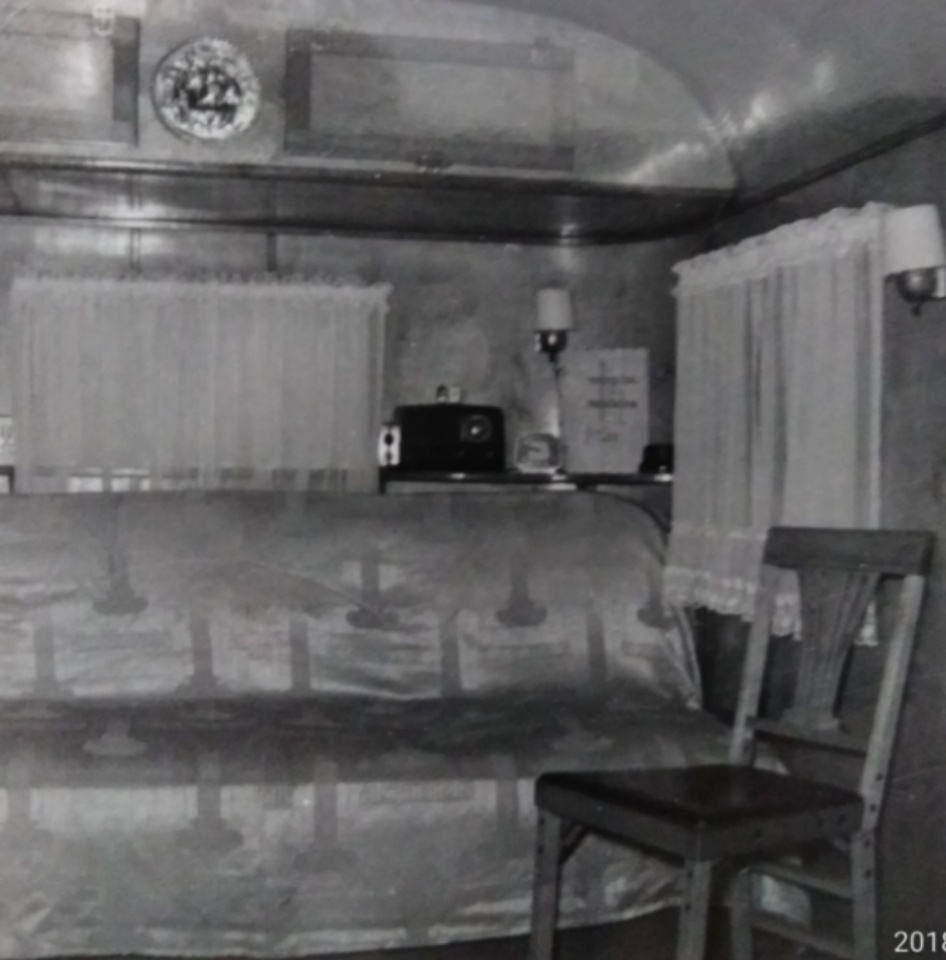
What always stayed with me was the craftsmanship. The interiors were beautifully built, with details and curves—especially on cabinet corners—that still amaze me today. After my dad sold the house to my sister, the trailer continued its life as a guest room. Someone was always staying in it. When the house was sold in 1984 and the trailer moved, the wood underneath finally gave way. I believe the frame still exists, and I’ve been trying to track it down ever since.
I still have the original California license plate hanging in my garage, and my brother gave me the heater from the trailer. I’m also searching for another trailer my uncle owned, though no one seems to know where it ended up. For years, I thought our family was involved with just one trailer factory. Only later did I realize there were three.
“Before They Were Vintage” is a regular feature in Vintage Camper Trailers Magazine, and we’re always looking for photos. Any original mid-century trailer and RV images are welcome.
Submitted by Robin Ellis